
MiddleEast – Iran Stands Firm as US Pressure Campaign Intensifies
MiddleEast – Iran is showing little sign of softening its stance in ongoing tensions with the United States, particularly over control of the Strait of Hormuz and its nuclear programme, according to a recent assessment by the Institute for the Study of War (ISW).
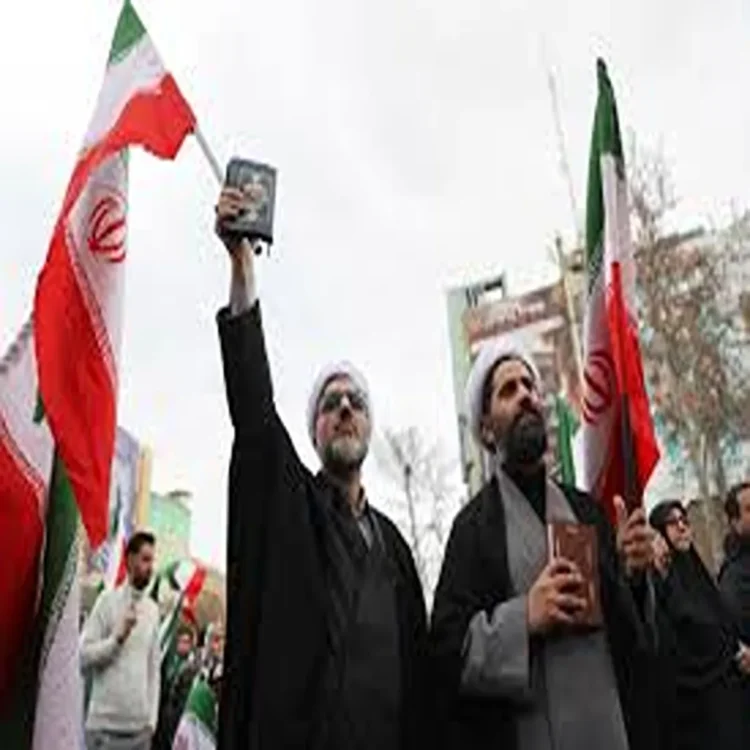
Hardline Position Gains Ground in Tehran
The report indicates that Iran’s leadership is increasingly aligned with a tougher approach championed by Islamic Revolutionary Guard Corps (IRGC) chief Major General Ahmad Vahidi. His position—rejecting concessions on both nuclear development and strategic waterways—appears to have gained widespread backing among Iran’s political establishment.
Analysts note that key Iranian decision-makers are now united around a strategy that delays any nuclear discussions until the United States lifts its naval restrictions on Iranian ports. This demand has effectively become a central pillar of Tehran’s negotiating position.
Strait of Hormuz Remains a Key Flashpoint
Control over the Strait of Hormuz, a critical global oil transit route, continues to be a major sticking point. According to ISW, Iran is exploring ways to reinforce its influence over the passage without appearing to escalate tensions directly.
One such approach involves potential cooperation with Oman in implementing a toll system for ships passing through the strait. This proposal could allow Iran to reframe its strategy as a new diplomatic initiative while maintaining its core demands.
Regional Pressure Tactics Under Consideration
The report also highlights Iran’s possible use of indirect pressure tactics in the region. This includes leveraging allied groups such as the Houthis in Yemen to target vessels moving through the Bab el-Mandeb Strait, another vital maritime corridor. Such actions could increase pressure on the United States to reconsider its blockade strategy.
In parallel, Iran has reportedly used a recent ceasefire period to rebuild and strengthen its missile and drone capabilities, signaling preparedness for prolonged confrontation if necessary.
US Maintains Firm Stance on Nuclear Issue
On the other side, US leadership continues to defend its strategy. President Donald Trump has strongly endorsed the naval blockade, describing it as highly effective in curbing Iran’s actions. He emphasized that the measure demonstrates the strength of the US military and leaves little room for Iran to maneuver.
Trump has made it clear that any potential agreement hinges on Iran abandoning its nuclear weapons ambitions. Without such a commitment, he stated, no deal would be possible.
Blockade Seen as Primary Leverage Tool
In recent remarks and interviews, Trump reiterated that the blockade remains a central tool in applying pressure on Tehran. He suggested that it has proven more impactful than direct military action so far, while also warning that stronger measures could be considered if negotiations fail.
Reports indicate that the US has rejected Iran’s proposal to first lift restrictions and reopen maritime routes before engaging in nuclear talks. Instead, Washington is insisting that Tehran address its concerns upfront.
Uncertain Path Ahead for Diplomacy
The current standoff reflects deep divisions between the two sides, with neither appearing willing to compromise on key issues. While diplomatic channels remain open, the growing alignment of hardline positions in Tehran and firm demands from Washington suggest that a breakthrough may not be imminent.
The evolving situation continues to carry significant implications for global energy markets and regional stability, particularly as both nations weigh their next moves.