
Elections – High Stakes Voting Begins Across 142 Seats in Bengal
Elections – Voting began early Wednesday across 142 assembly constituencies in West Bengal, marking a crucial phase in the ongoing state elections. Among those casting their vote was BJP candidate Biman Ghosh from the Pursurah seat in Hooghly district. As polling commenced, he urged citizens to participate actively, describing the democratic process as a celebration and calling for a peaceful voting environment.
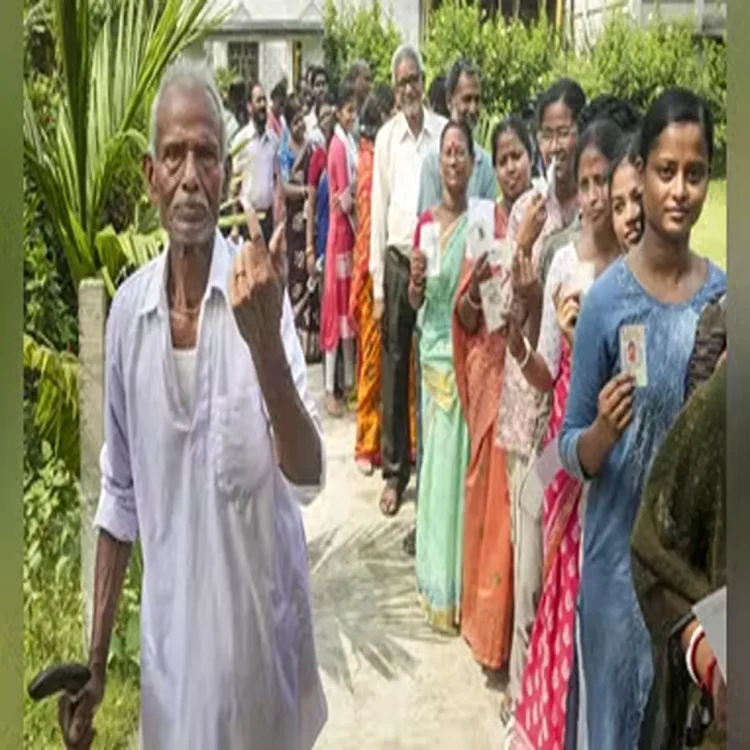
Candidates Urge Voter Participation
Speaking to reporters, Ghosh encouraged residents to step out early and exercise their franchise. He expressed optimism about his party’s prospects and said the election could bring significant change to the state. Stressing the importance of participation, he appealed to voters to prioritise casting their ballots before attending to other daily routines. He also voiced confidence that the election would conclude without disruption.
Ghosh criticised rival leaders during his remarks, accusing a Trinamool Congress representative of staging incidents during campaigning for political gain. He maintained that voters were capable of seeing through such actions and suggested that accountability should accompany positions of responsibility.
Preparations and Early Morning Activity
Before polling officially began, election officials conducted mock drills at various polling booths to verify the proper functioning of electronic voting machines and VVPAT systems. These checks are a routine part of the process and aim to ensure transparency and accuracy in voting.
By early morning, several polling stations, especially in South 24 Parganas, had already witnessed long queues. Many voters chose to arrive early to avoid the anticipated heat later in the day. Women and first-time voters were seen participating enthusiastically, highlighting widespread engagement in what is considered a decisive electoral contest.
A Crucial Phase for Major Political Parties
This phase of voting is being closely watched as it covers regions traditionally seen as strongholds of the ruling Trinamool Congress, including parts of South Bengal and Kolkata. Political observers consider this round a key test for the party’s ability to retain its influence, while opposition groups are aiming to expand their support base.
The scale of the election is significant, with 142 out of 294 total assembly seats being contested in this phase alone. Approximately 3.21 crore voters are eligible to participate, including over 1.64 crore men, 1.57 crore women, and a small number of voters identified under the third gender category.
Large Number of Candidates in Fray
A total of 1,448 candidates are contesting in this phase, including 220 women. Voting is being conducted across more than 41,000 polling stations, with over 8,000 booths managed entirely by women staff. Authorities have deployed extensive arrangements to ensure smooth and secure polling across all constituencies.
Urban constituencies, particularly in Kolkata, are drawing heightened attention due to closely watched contests involving prominent leaders. These high-profile battles are expected to influence the overall outcome significantly.
Historical Context and Turnout Expectations
In the previous assembly elections held in 2021, the ruling party secured a dominant victory in this region, winning the majority of the seats contested in this phase. Replicating or altering that trend remains central to the strategies of all major political parties.
The first phase of voting earlier in April recorded a notably high turnout of over 91 percent. Officials are hopeful that a similar level of participation will continue in this round as well.
Election Commission Ensures Smooth Process
The Election Commission has implemented comprehensive measures to facilitate orderly voting. Special arrangements have been made for service voters, and security personnel have been deployed across sensitive areas to maintain law and order.
The results of the West Bengal assembly elections are scheduled to be announced on May 4, alongside outcomes from several other states and union territories. The final verdict will determine the political direction of the state for the coming years.