
Elections – UN Pushes Fresh Talks to Break Libya Political Deadlock
Elections – The United Nations has outlined a fresh attempt to ease Libya’s prolonged political stalemate by initiating a limited meeting among key stakeholders, aiming to remove barriers that have stalled the country’s electoral progress.
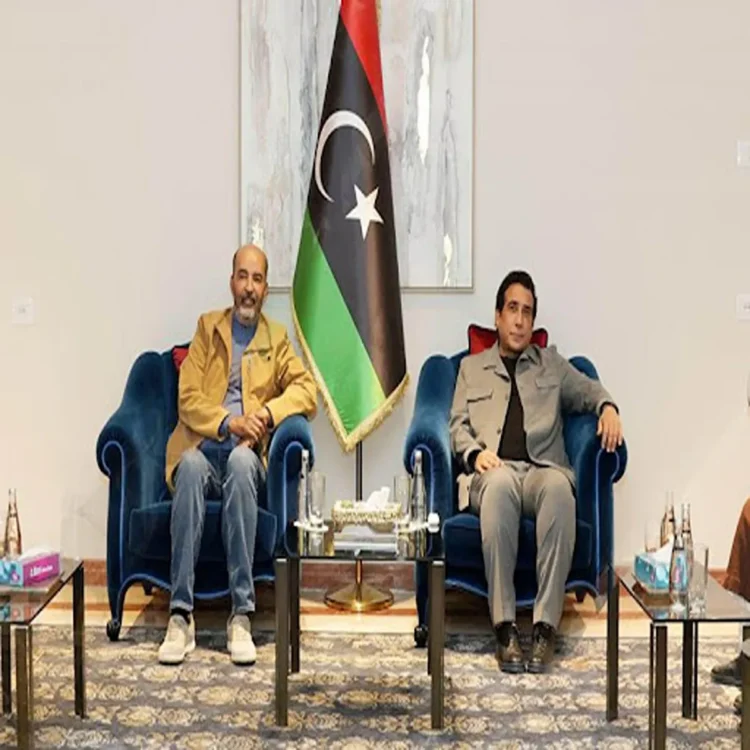
UN Emphasises Complementary Nature of New Talks
A senior United Nations official has clarified that the proposed smaller gathering is not intended to replace the broader political dialogue process. Instead, it is designed to address specific issues that have slowed preparations for national elections. According to statements released by the United Nations Support Mission in Libya, the initiative seeks to complement existing mechanisms rather than override them.
The UN’s Special Representative for Libya, Hanna Tetteh, pointed out that despite sustained international and domestic efforts, the path toward elections remains obstructed by deep political divisions. She stressed that targeted discussions among influential actors could help resolve key disagreements more efficiently.
Roadmap Aimed at Political Unity and Elections
The UN mission has been working under a structured roadmap introduced last year, which aims to guide Libya toward stable governance through elections. The plan focuses on three main objectives: establishing a workable electoral framework, forming a unified government, and engaging citizens through a structured dialogue to address national concerns.
Tetteh explained that the broader goal of the roadmap is to rebuild trust in state institutions, unify fragmented political bodies, and restore legitimacy through a democratic process. Achieving these steps is seen as essential for long-term stability in the country.
Delays Prompt Shift in Strategy
However, progress has been slower than anticipated. Over the past eight months, Libya’s House of Representatives and the High Council of State have not completed the initial phases of the roadmap. This lack of movement has prompted the UN to consider alternative approaches to keep the political process on track.
Tetteh noted that while the original plan remains valid, the current situation requires flexibility. The proposed smaller meeting is part of a two-step strategy that could later expand into a broader gathering if necessary.
Focus on Electoral Framework and Institutions
The immediate priority of the proposed talks is to resolve disagreements surrounding the electoral framework and the composition of the High National Elections Commission. These issues have been major sticking points, preventing consensus on how elections should be conducted and supervised.
By narrowing the focus to these technical and political concerns, the UN hopes to accelerate decision-making and reduce friction between rival factions. Officials believe that resolving these matters could unlock further progress in the overall transition process.
Proposed Committee to Bridge Divides
As part of these efforts, reports have emerged about a proposed “4+4 mini-committee.” This group would include representatives from Libya’s main political and military factions, specifically those aligned with the eastern-based leadership and the internationally recognized government in Tripoli.
The committee is expected to work on bridging differences related to electoral laws and the constitutional basis required for elections. Observers see this initiative as a practical step toward building consensus in a deeply divided political landscape.
Meeting Planned Under UN Supervision
According to sources within the UN mission, the first session of this committee is expected to take place in Rome under UN supervision. The meeting is anticipated to bring together key figures in a controlled setting, allowing for focused discussions on unresolved issues.
While expectations remain cautious, the UN believes that even incremental progress could help restore momentum to Libya’s stalled political process. The outcome of these talks may determine whether the country can move closer to holding long-awaited national elections.