
Politics – High Court Cancels PSA Detention, Doda MLA Walks Free After Months
Politics – Aam Aadmi Party legislator Mehraj Malik was released from Kathua jail on Tuesday morning, a day after the Jammu and Kashmir and Ladakh High Court struck down his detention under the Public Safety Act (PSA). His release followed months of legal proceedings that questioned the grounds on which the preventive detention had been imposed.
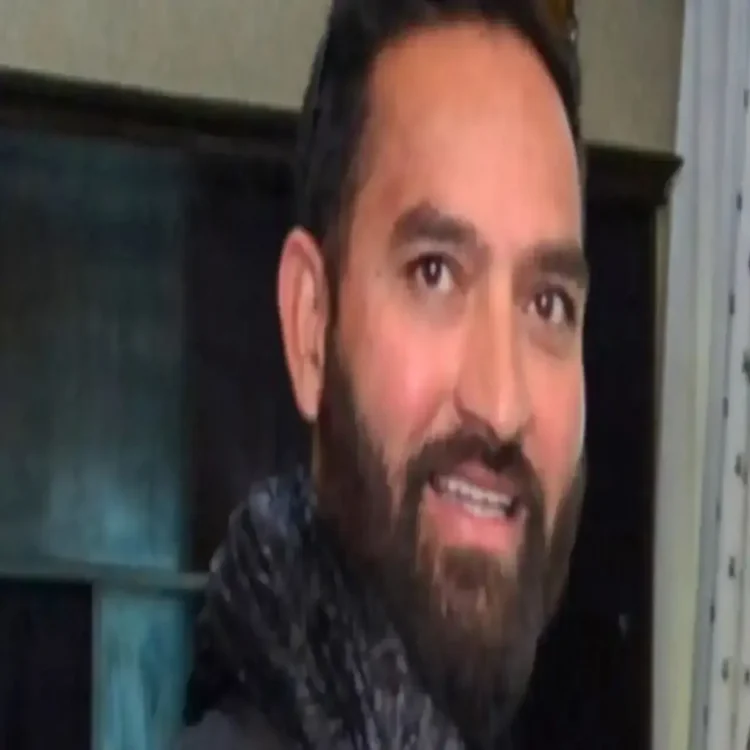
Supporters Gather as MLA Steps Out of Jail
Malik walked out of the jail premises to a large gathering of supporters who had assembled early in the day. Many of them celebrated his release with slogans and cheers, reflecting the political significance of the court’s decision. The MLA had been in custody since September last year after being booked under the PSA, a law that permits detention without trial for extended periods.
Court Finds No Threat to Public Order
In its ruling, the High Court observed that there was no convincing material to suggest Malik posed a threat to public order. Justice Mohammad Yousuf Wani noted that the allegations against the MLA were already subject to investigation or trial in appropriate forums. The court emphasized that preventive detention could not be justified in such circumstances and ordered his immediate release.
The judgment highlighted that existing legal processes were sufficient to address the allegations, making the continued detention unnecessary. This reasoning played a central role in the court’s decision to invalidate the detention order issued earlier.
Background of the Arrest
Malik was taken into custody on September 8 following a dispute linked to the relocation of a primary health centre in Doda district. The situation reportedly escalated into a heated exchange between the MLA and then Deputy Commissioner Harvinder Singh. Authorities subsequently invoked the PSA, citing concerns that Malik’s actions could disrupt public order.
The case drew attention because Malik became the first sitting MLA in Jammu and Kashmir to be detained under this law. The PSA has often been debated for its sweeping powers, which allow detention without formal charges for up to two years.
Court Raises Concerns Over Administrative Conduct
The High Court also raised questions about the manner in which the detention order was issued. It pointed out that the district administration should have avoided taking direct action in a matter where it was already involved. Instead, the issue could have been referred to higher authorities for an impartial decision.
The court described the order as legally unsustainable, noting that it appeared influenced by personal bias. It stressed that administrative powers must be exercised with fairness and objectivity, especially in cases involving preventive detention.
Political Reactions to the Verdict
The ruling prompted reactions from political leaders across the spectrum. Aam Aadmi Party chief Arvind Kejriwal praised Malik’s persistence, calling his legal battle an example of resilience. Meanwhile, Jammu and Kashmir Chief Minister Omar Abdullah stated that the detention should not have occurred in the first place.
Abdullah further remarked that the case reflected a misuse of legal provisions and expressed hope that authorities would exercise greater caution in the future. His comments underscored ongoing concerns about the application of preventive detention laws in the region.
Wider Implications of the Decision
The High Court’s judgment is likely to influence discussions around the use of the PSA in Jammu and Kashmir. Legal experts believe the ruling reinforces the principle that preventive detention must be based on clear and compelling evidence, not administrative discretion alone.
As Malik resumes his political role, the case is expected to remain part of a broader debate on civil liberties and governance. The verdict also serves as a reminder of judicial oversight in safeguarding individual rights against potential misuse of power.