
Energy – Pentagon Signals Long Timeline to Clear Mines in Hormuz Strait
Energy – The United States Department of Defense has informed lawmakers that removing naval mines reportedly placed in the Strait of Hormuz could take several months, underlining the fragile security situation in one of the world’s most critical energy corridors. The disclosure, shared during a congressional briefing, has raised fresh concerns about the pace of stabilisation despite ongoing diplomatic efforts.
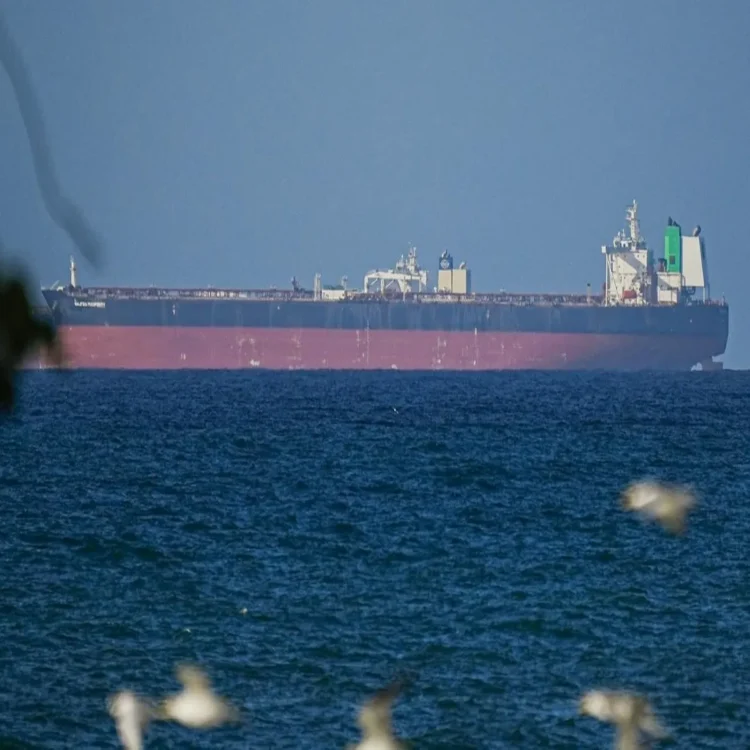
Lawmakers Express Concern Over Delays
Members of Congress from both major political parties have reacted with unease to the projected timeline. Officials familiar with the briefing indicated that the possibility of a prolonged clearance operation has led to frustration on Capitol Hill. Lawmakers worry that even if a broader agreement is reached in the region, extended disruptions could continue to affect global markets and keep fuel prices elevated.
Oil Prices Reflect Market Anxiety
The uncertainty surrounding maritime safety has already influenced global energy markets. International crude benchmarks have climbed sharply, with Brent crude moving above the $100 mark, while US-based West Texas Intermediate prices have also recorded notable gains. Analysts say the price movement reflects fears of supply interruptions in a region responsible for a significant share of global oil shipments.
Reports of Advanced Mine Deployment
According to officials cited in media reports, Iran may have positioned multiple naval mines across strategic points in the waterway. Some of these devices are believed to use advanced deployment methods, including remote activation supported by navigation technology. Such capabilities could complicate detection and removal efforts for naval forces operating in the area.
Strategic Importance of the Strait
The Strait of Hormuz plays a vital role in global trade, serving as a passage for roughly one-fifth of the world’s daily oil and liquefied natural gas shipments. Any disruption to traffic through this narrow channel can have immediate and widespread economic consequences, particularly for countries heavily dependent on imported energy.
Conflicting Statements and Denials
Iranian officials have rejected accusations that they are responsible for placing mines in the region. However, separate reports suggest that even those who deployed the devices may not have precise knowledge of their current locations. This uncertainty adds another layer of difficulty to ongoing clearance operations, which are expected to involve a mix of aerial surveillance, underwater technology, and specialised personnel.
Military Response and Political Messaging
US authorities have indicated that they are closely monitoring maritime activity and taking action against vessels suspected of laying mines. Senior officials have emphasised that maintaining open access to the strait is a priority and that any threat to shipping routes will be addressed firmly. At the same time, political leaders have issued strong warnings, calling for immediate steps to ensure safe navigation.
Dispute Over Reporting
The Pentagon has pushed back against claims regarding the extended timeline, describing some reports as inaccurate and criticising the release of details from confidential briefings. Officials maintain that while the situation is serious, suggestions of a prolonged closure may not fully reflect operational realities.
Broader Impact on Politics and Economy
The ongoing tensions have implications beyond the region. Rising fuel prices and supply concerns are beginning to influence domestic political debates in the United States, particularly as elections approach. Public sentiment around energy costs and economic stability is expected to play a role in shaping the political landscape in the coming months.
As diplomatic efforts continue, the situation in the Strait of Hormuz remains a critical focal point for global markets and international security. The pace and effectiveness of mine-clearing operations will likely determine how quickly stability can be restored.