
Finance – Opposition Raises Concerns Over Bihar Government Spending and Debt Levels
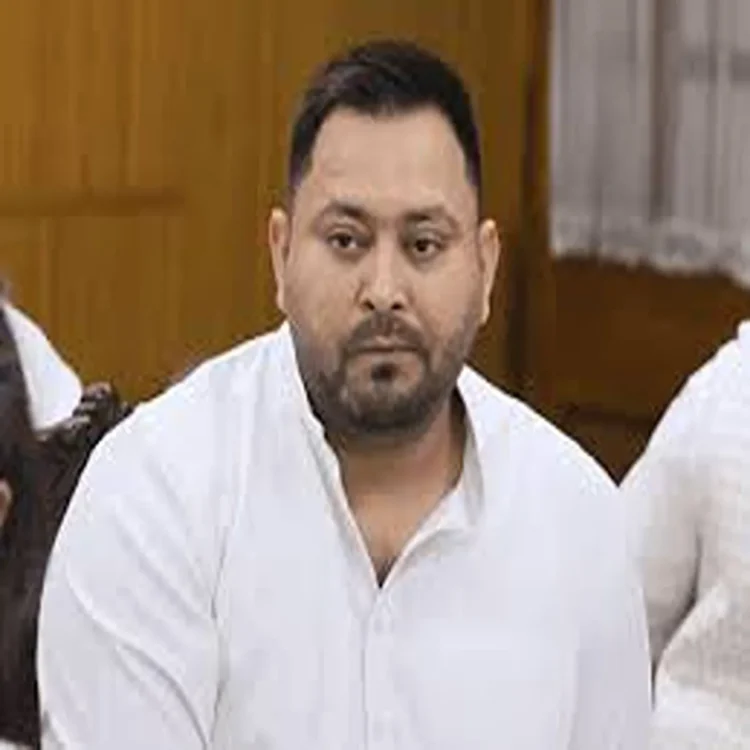
Finance – Bihar’s Leader of the Opposition, Tejashwi Yadav, on Wednesday sharpened his criticism of the National Democratic Alliance (NDA) government, accusing it of serious financial mismanagement and irregular use of public funds. In a detailed statement shared on social media, he alleged that the state’s finances have been strained due to excessive spending during the election period.
Allegations of Heavy Spending During Elections
Yadav claimed that large amounts of public money were released in the run-up to elections without proper oversight. According to him, this spending has significantly weakened the state treasury. He argued that the government is now facing difficulty in managing routine administrative functions and is increasingly relying on borrowed funds to maintain operations.
He further pointed to recent government directives aimed at controlling expenditure and regulating fund withdrawals as signs of financial pressure. These measures, he suggested, indicate that the state is struggling to maintain fiscal balance.
Claims of Administrative and Financial Strain
The opposition leader alleged that the financial condition has reached a stage where essential commitments are being affected. He stated that payments under key welfare schemes, including social pensions, student credit programs, and scholarships, have faced delays. He also claimed that even salaries and pensions for government employees are being impacted due to limited resources.
In his remarks, Yadav said that nearly Rs 41,000 crore was distributed in the final phase before elections through what he described as a flawed system. He alleged that this occurred under the leadership of Chief Minister Nitish Kumar, raising concerns about accountability in financial decisions.
Rising Debt and Interest Burden
Highlighting the state’s debt situation, Yadav claimed that Bihar’s total liabilities have crossed Rs 4 lakh crore. He added that a substantial portion of the state’s daily expenditure—over Rs 100 crore—is being used to pay interest on loans. According to him, this growing debt burden is placing long-term pressure on the state’s financial health.
He argued that such a high level of borrowing, combined with rising interest payments, limits the government’s ability to invest in development and welfare initiatives.
Questions Over Transparency and Reporting
Referring to findings from the Comptroller and Auditor General of India (CAG), Yadav raised concerns about transparency in public spending. He alleged that utilisation certificates for approximately Rs 90,000 crore have not been submitted, which could indicate gaps in financial reporting.
Additionally, he questioned the clarity around the use of Rs 92,132 crore, stating that the government has not provided a clear account of how these funds were spent. He suggested that such issues require detailed explanation to maintain public trust.
Broader Governance Concerns
Beyond financial matters, Yadav criticised the overall direction of governance in the state. He claimed that development activities have slowed down due to financial constraints and lack of effective planning. According to him, the current situation reflects a need for better fiscal discipline and long-term vision.
However, these claims come amid ongoing political disagreements between the opposition and the ruling alliance in Bihar. The NDA has previously dismissed similar allegations, stating that the state’s governance and financial systems are functioning properly and that development work continues as planned.
Political Context Remains Central
The latest remarks are part of a continuing exchange between the two sides, with both presenting contrasting views on the state’s financial condition. While the opposition raises questions about spending and accountability, the ruling alliance maintains that its policies are aligned with growth and stability.
As the debate continues, the focus remains on financial transparency, governance practices, and the broader impact on public welfare programs in Bihar.