
Diplomacy – Pakistan Backs Extended Iran Ceasefire Amid Ongoing Tensions
Diplomacy – Pakistan’s Prime Minister Shehbaz Sharif on Wednesday expressed appreciation to former US President Donald Trump for agreeing to prolong a ceasefire involving Iran, the United States, and Israel. The move, announced ahead of an earlier deadline, is being viewed by Islamabad as a chance to advance diplomatic engagement and reduce hostilities in the region.
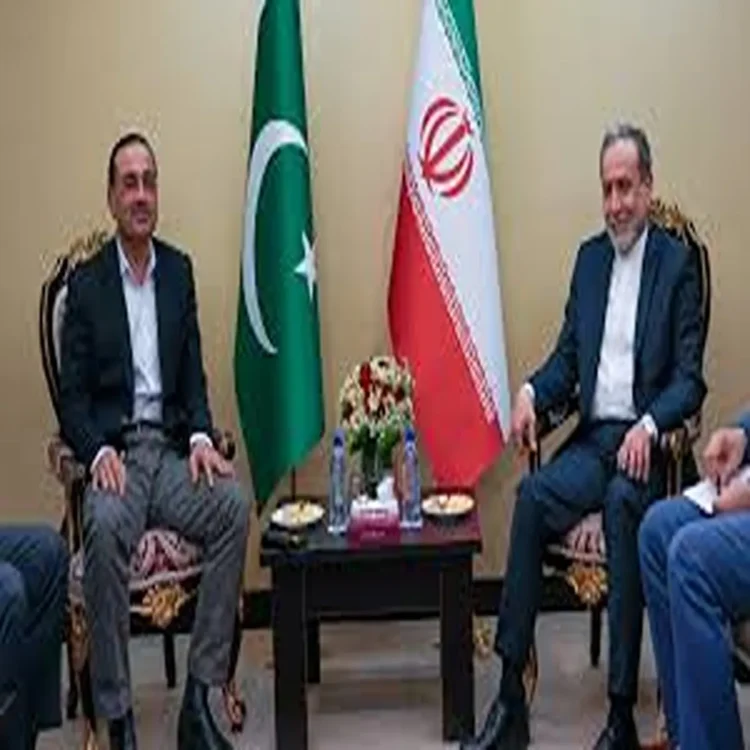
Pakistan Emphasises Role in Mediation Efforts
In a public statement shared on social media, Sharif conveyed gratitude on behalf of both himself and Pakistan’s military leadership, including Field Marshal Syed Asim Munir. He said the extension would allow ongoing diplomatic initiatives to proceed without disruption. According to the Prime Minister, Pakistan remains committed to facilitating dialogue between Washington and Tehran in pursuit of a negotiated resolution.
Sharif also underlined that Islamabad intends to play a constructive role in bridging differences between the two sides. He expressed confidence that continued trust in Pakistan’s mediation could help create conditions for meaningful progress in talks.
Islamabad Set to Host Further Talks
Looking ahead, the Pakistani leader voiced optimism about a second round of discussions expected to take place in Islamabad. He said there is hope that both Iran and the United States will respect the ceasefire and use the opportunity to work toward a long-term agreement.
The upcoming dialogue, if held as planned, is expected to focus on achieving a comprehensive peace arrangement that addresses the core issues fueling the conflict. Officials in Pakistan believe that sustained engagement could help reduce tensions and prevent further escalation.
US Decision Linked to Diplomatic Developments
Donald Trump confirmed that the ceasefire extension was granted following a request from Pakistan. He stated that the United States is waiting for a unified proposal from Iran before making further decisions. While extending the truce, he also made it clear that existing military measures, including the blockade of Iranian ports, will remain in place.
According to Trump, US forces have been instructed to stay prepared for any developments. He noted that the ceasefire would continue until Iran submits its proposal and discussions reach a conclusion, regardless of the outcome.
At the same time, reports indicate that a planned visit by US Vice President JD Vance to Islamabad has been postponed. The delay is believed to be linked to uncertainties surrounding Iran’s willingness to engage in further negotiations at this stage.
International Community Urges Restraint
The ceasefire extension has drawn cautious support from global leaders. United Nations Secretary-General António Guterres described the development as a positive step toward reducing tensions. He urged all parties involved to take advantage of the opportunity to pursue dialogue and avoid actions that could reignite conflict.
Observers note that while the extension does not resolve underlying disagreements, it provides valuable time for diplomatic channels to remain active.
Iran Voices Strong Opposition
Despite the extension, Iran has rejected the move and signaled dissatisfaction with the current approach. Mahdi Mohammadi, an adviser to Iran’s parliament speaker, dismissed the ceasefire decision, arguing that it holds no significance for Tehran.
He stated that a country he described as being at a disadvantage cannot impose conditions on others. Mohammadi also criticized the continued blockade, equating it with ongoing aggression. In his remarks, he suggested that Iran should consider taking a more assertive stance in response.
The comments highlight the challenges facing negotiators as they attempt to bring all parties to the table.
Uncertain Path Ahead for Peace Talks
While Pakistan remains hopeful about facilitating dialogue, the situation continues to evolve with differing positions from key stakeholders. The success of upcoming talks in Islamabad will likely depend on whether both sides are willing to compromise and engage constructively.
For now, the ceasefire extension offers a temporary pause in hostilities, but the broader path toward a lasting settlement remains uncertain.