
Security – Iran Reports Arrests Across Provinces Over Espionage Allegations
Security – Iranian authorities have announced the detention of 35 individuals accused of a range of offenses, including espionage and illegal arms trading. The arrests, reported by the state-run Islamic Republic News Agency (IRNA), were described as part of a coordinated effort targeting individuals allegedly connected to foreign intelligence networks as well as domestic groups involved in smuggling and separatist activities.
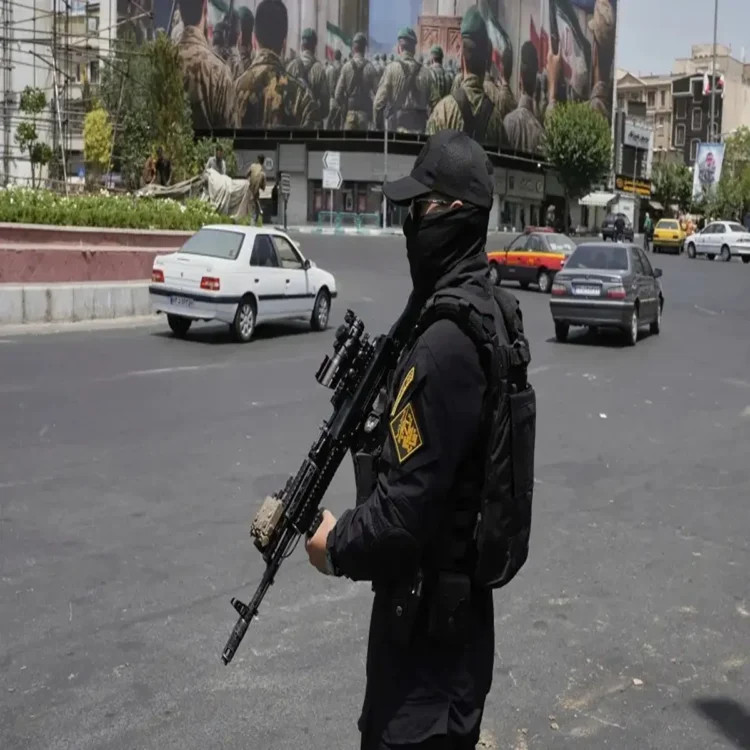
Nationwide Security Sweep Across Multiple Regions
According to officials from Iran’s Intelligence Ministry, the operation was conducted simultaneously across six provinces. Authorities said the action was designed to address several security threats at once, reflecting what they described as an increasingly complex internal and external risk environment.
The ministry indicated that among those detained were individuals suspected of maintaining links with foreign intelligence services, along with others accused of facilitating the movement of weapons and supporting separatist organizations. While detailed identities and specific charges have not been publicly disclosed, the scale of the operation suggests a broad and coordinated investigation.
Claims of Foreign Intelligence Activity Intensify Concerns
The arrests come amid renewed discussion about foreign intelligence operations within Iran. Recent statements from Israeli intelligence leadership have drawn attention to what they describe as extensive covert activities inside Iranian territory.
During a public address earlier this week, a senior Israeli intelligence official claimed that operations had been conducted deep within Tehran during a recent period of military escalation involving Israel and the United States. These remarks have added another layer of tension to an already strained regional landscape.
Intelligence Role in Military Operations Highlighted
In the same address, the official outlined the role intelligence gathering played in supporting military actions. According to the statement, actionable intelligence was shared with military units, enabling targeted strikes against missile systems considered a threat.
The remarks suggested a close link between intelligence efforts and operational outcomes, emphasizing how information collected through covert means can directly influence military strategy.
Operations Continue Beyond Active Conflict Phase
Despite a reduction in overt military activity, the Israeli official indicated that intelligence operations remain ongoing. The end of recent hostilities, according to the statement, does not mark the conclusion of broader strategic objectives.
Officials emphasized that planning for continued activity had been in place even before the cessation of direct strikes. The focus now appears to be on maintaining pressure through intelligence channels and pursuing longer-term goals.
Broader Strategic Goals Remain Unchanged
The same address also touched on wider political aims, suggesting that intelligence operations are tied to larger ambitions concerning Iran’s governance. According to the remarks, the mission would only be considered complete with significant political change within the country.
Such statements underscore the depth of geopolitical rivalry in the region, where intelligence activities are not limited to immediate security concerns but are also linked to broader strategic visions.
Growing Complexity of Regional Security Dynamics
The recent arrests in Iran, combined with external statements about covert operations, highlight the increasingly intricate nature of security challenges facing the region. On one side, Iranian authorities are working to identify and neutralize perceived internal threats, while on the other, foreign intelligence agencies continue to assert their presence and influence.
These developments point to an ongoing cycle of intelligence gathering, countermeasures, and political signaling. Analysts note that such dynamics are likely to persist, given the underlying tensions and competing interests that shape regional relations.
As both sides continue to assert their positions, the situation remains fluid, with security operations and intelligence disclosures playing a central role in shaping the narrative.