
Economy – Rahul Gandhi Backs Noida Workers Amid Wage Protest Unrest
Economy – The political spotlight has turned toward labour issues in Noida after protests over minimum wages escalated, drawing attention from senior Congress leader Rahul Gandhi.
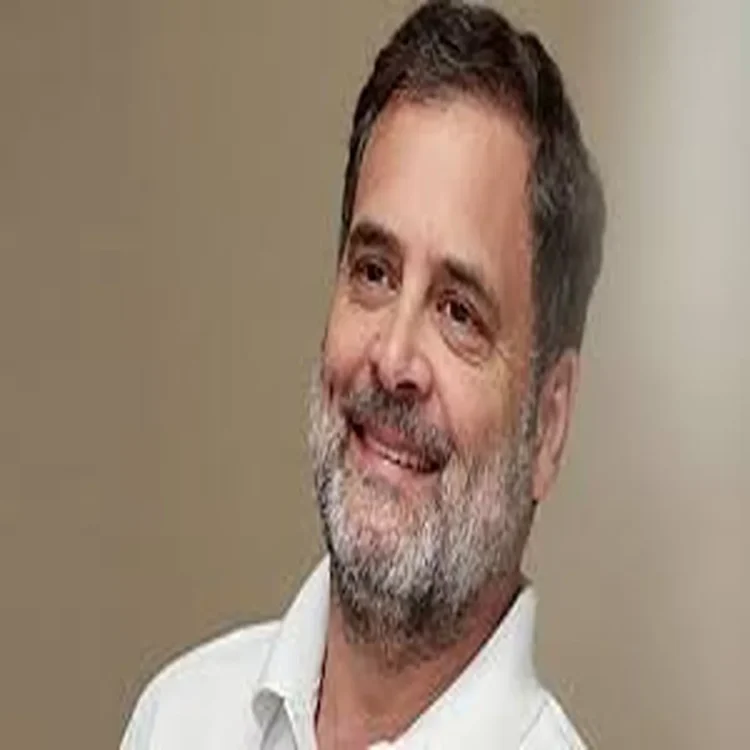
Congress MP Rahul Gandhi on Tuesday voiced his support for workers protesting in Noida, stating that the recent unrest highlights the growing financial challenges faced by labourers across the country. His remarks came after demonstrations intensified and turned violent, with reports of clashes between protestors and police leading to stone-pelting and vehicles being set on fire.
Protests Reflect Deep Economic Strain
According to Gandhi, the situation in Noida is not an isolated incident but a reflection of broader economic distress among workers. He described the protests as a desperate expression of frustration from those who feel neglected despite contributing significantly to the economy. The rising cost of basic necessities, particularly housing, has placed an increasing burden on workers with limited incomes.
He pointed out that individuals earning around Rs 12,000 per month are forced to allocate a substantial portion of their income—often between Rs 4,000 and Rs 7,000—toward rent. This imbalance, he argued, leaves little room for other essential expenses, making it difficult for families to maintain a stable standard of living.
Inflation and Stagnant Wages Add Pressure
Gandhi further emphasized that inflation continues to erode purchasing power, while wages have not kept pace with rising costs. Annual salary increments, he noted, are quickly offset by increases in rent and daily expenses. This widening gap between income and expenditure has pushed many workers into financial vulnerability, with some resorting to borrowing to meet basic needs.
He described this situation as a ground reality that contrasts sharply with narratives of rapid economic growth and development. For many workers, he said, the benefits of such growth remain out of reach.
Concerns Over Policy and Working Conditions
The Congress leader also raised questions about labour policies introduced by the central government. He alleged that the implementation of new labour codes had taken place without sufficient dialogue with stakeholders. According to him, these changes have led to longer working hours, with some workers reportedly required to work up to 12 hours a day.
Gandhi questioned whether such conditions were fair, especially when workers continue to struggle with essential expenses such as education, healthcare, and household needs. He argued that extended working hours without adequate compensation only deepen the challenges faced by the labour force.
Broader Economic Factors at Play
In his remarks, Gandhi also pointed to external economic pressures, including rising fuel prices and global supply chain disruptions, as factors contributing to the current situation. These issues, he suggested, have had a cascading effect on the cost of goods and services, disproportionately impacting lower-income groups.
He added that while large industries may have the capacity to absorb such shocks, ordinary workers bear the brunt of these changes, making it harder for them to sustain their livelihoods.
Demand for Higher Wages Gains Momentum
Reiterating his stance, Gandhi said that the demand for a minimum monthly wage of Rs 20,000 is reasonable and necessary to ensure a dignified standard of living. He expressed solidarity with the protesting workers, describing them as the backbone of the nation’s economy.
As tensions continue in Noida, the issue has sparked a wider debate on wage structures, labour rights, and the cost of living in urban India. The developments underscore the need for balanced policies that address both economic growth and the welfare of workers.