
CaspianSea – World Bank Backs Regional Effort to Restore Marine Ecosystem
CaspianSea – The World Bank has cleared a multi-year project aimed at improving environmental conditions in the Caspian Sea, with a focus on pollution tracking and safeguarding marine life across the region.
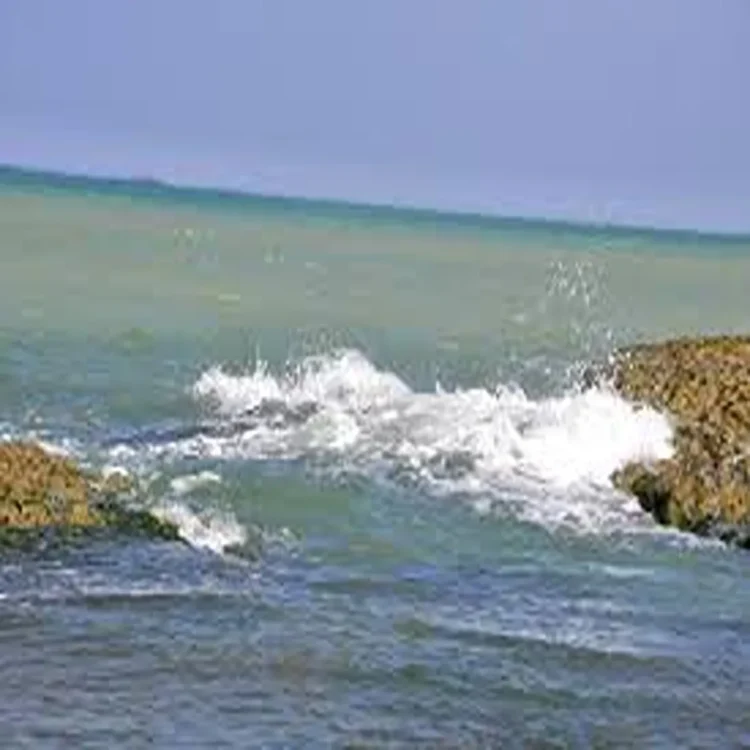
The five-year program carries an approved funding of $8.24 million and is designed to strengthen environmental management systems. It will primarily support Azerbaijan, Kazakhstan, and Turkmenistan, countries that share the Caspian Sea coastline and face similar ecological challenges.
International Funding and Implementation Support
In addition to the World Bank’s contribution, the initiative will receive $11.74 million in grant financing from the Global Environment Facility. The combined financial backing is expected to significantly enhance the project’s reach and effectiveness.
The United Nations Environment Programme will oversee the execution of the project, ensuring coordination among participating countries. Meanwhile, the United Nations Office for Project Services has been allocated a separate grant of $183,489. This funding will be used to develop essential environmental and social frameworks, while also strengthening cooperation mechanisms between the involved nations.
Focus on Pollution Monitoring Systems
A major portion of the funding will be directed toward improving pollution monitoring. Around $3.15 million has been earmarked to establish more reliable and standardized systems for tracking water quality across the Caspian Sea.
The goal is to introduce consistent methods that allow countries to compare data and respond more effectively to environmental threats. By building stronger monitoring systems, authorities aim to detect pollution sources earlier and implement corrective measures in a timely manner.
Strengthening Biodiversity Conservation Efforts
Another key component of the project involves biodiversity protection, with $4.25 million allocated for this purpose. The funding will support better planning and management of protected areas, along with efforts to monitor wildlife populations more accurately.
The Caspian Sea is home to approximately 400 species that are unique to the region. However, many of these species are under pressure due to environmental degradation, overuse of resources, and climate-related changes. The project aims to improve conservation strategies and ensure that protected zones are more effective in preserving marine life.
Addressing Declining Water Levels
Environmental experts have raised concerns about the shrinking water levels of the Caspian Sea. Over the past decades, the sea has experienced a noticeable decline, largely driven by climate change and increased economic use of water resources.
According to projections, water levels could fall by as much as 8 to 30 meters by the end of the century if current trends continue. This poses serious risks not only to marine ecosystems but also to communities and industries that depend on the sea.
Country-Level Actions and Local Impact
In Azerbaijan, the project will work closely with the Ministry of Ecology and Natural Resources to develop a structured marine pollution monitoring system. This will include policy development, training programs for staff, and a national-level seminar to build awareness and capacity.
The initiative will also focus on protecting key species such as Caspian seals and sturgeon, both of which are considered vulnerable. Plans are in place to expand marine protected areas, particularly within Absheron National Park, to provide safer habitats for these species.
Building Long-Term Regional Cooperation
Beyond immediate environmental goals, the project emphasizes the importance of collaboration among Caspian Sea nations. By encouraging shared strategies and data exchange, it aims to create a unified approach to managing the region’s ecological challenges.
Experts believe that coordinated action is essential for addressing cross-border environmental issues, especially in a shared water body like the Caspian Sea. The project is expected to lay the groundwork for stronger regional partnerships in the years ahead.