
NewYear – Nepal Welcomes Bikram Sambat 2083 With Nationwide Celebrations
NewYear – People across Nepal marked the arrival of Bikram Sambat 2083 on Tuesday, celebrating the start of a new year with traditional enthusiasm and a sense of renewal. The first day of Baishakh is widely recognized as the Nepali New Year and holds strong cultural and spiritual importance for communities throughout the country.
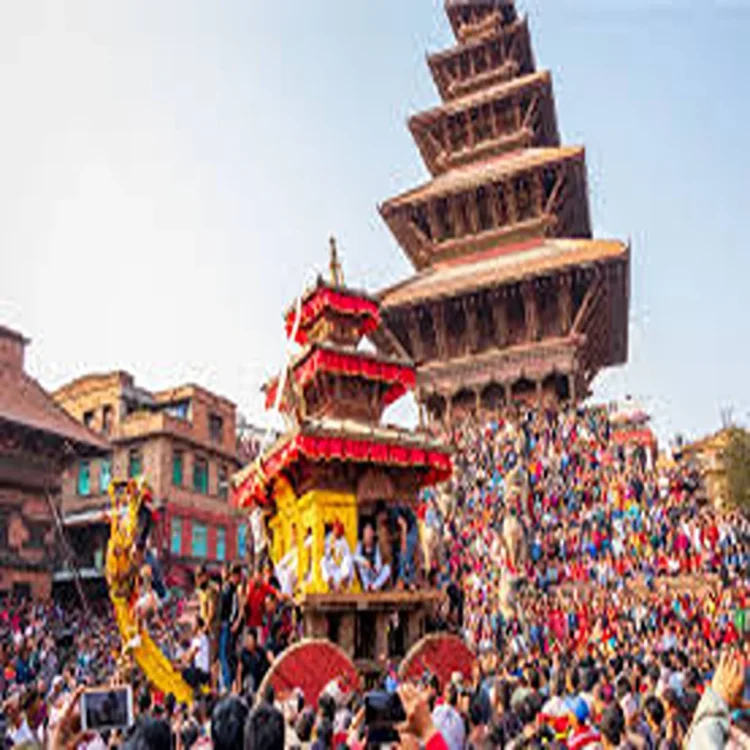
Cultural Significance of Baishakh 1
Baishakh 1 signals the beginning of the year according to the solar calendar, while the lunar system marks the new year during the bright phase of the Chaitra month. The Bikram Sambat calendar, rooted in the Hindu Panchanga, remains Nepal’s official timekeeping system and continues to shape religious, social, and cultural life.
The occasion is more than just a calendar transition. It reflects centuries-old traditions and symbolizes continuity in Nepal’s heritage. For many, it is a moment to reconnect with cultural values and embrace the deeper meaning of time, renewal, and progress.
Festive Gatherings and Spiritual Practices
The celebrations are often marked by family gatherings, exchange of greetings, and festive meals. On the eve of the New Year, people come together with relatives and friends to welcome the upcoming year with joy and optimism.
Many individuals visit temples and monasteries to offer prayers and seek blessings for the year ahead. These visits are not only acts of devotion but also opportunities for reflection. People look back on the past year, evaluate their experiences, and set new personal goals aimed at growth and improvement.
A Time for Reflection and New Beginnings
The New Year is traditionally seen as a chance to start afresh. Individuals often make resolutions, focusing on self-improvement and overcoming previous challenges. The spirit of renewal encourages people to approach the future with determination and a positive outlook.
This period also carries a broader social meaning, as communities come together with shared hopes for progress and well-being. It serves as a reminder of the importance of unity and collective effort in building a better future.
President’s Message Highlights National Priorities
On the occasion, President Ram Chandra Poudel extended his greetings to citizens, wishing them happiness, peace, prosperity, and good health. He underlined that meaningful achievements require dedication, discipline, and sustained effort rather than chance.
The President emphasized the need for citizens to respect laws and maintain responsible conduct, noting that these are essential for fulfilling national aspirations. He also highlighted the importance of setting shared goals and working together to achieve them.
Emphasis on Governance and Public Aspirations
Referring to recent political developments, the President noted that the parliamentary elections had helped stabilize the country and led to the formation of a new government with a fresh mandate. According to him, the public has clearly expressed expectations for rule of law, lasting peace, effective governance, development, and social justice under the federal democratic republican system.
He called on both leaders and citizens to remain committed to these principles, stressing that progress depends on prioritizing public welfare, strengthening governance, and ensuring inclusion without compromising national sovereignty.
Hope for Unity and Collective Progress
In his message, the President also expressed confidence that the New Year would strengthen unity, trust, and cooperation among the people of Nepal. He encouraged citizens to work together with mutual respect and tolerance, aiming for shared national progress.
As Nepal steps into Bikram Sambat 2083, the occasion stands as both a celebration and a reminder—of cultural roots, collective responsibility, and the ongoing journey toward a more prosperous and harmonious future.