
Disaster – Cyclone Maila Leaves Trail of Death and Damage in PNG
Disaster – At least 11 people have lost their lives after Tropical Cyclone Maila battered Papua New Guinea’s autonomous Bougainville region, triggering landslides, widespread flooding, and significant destruction to homes and infrastructure.
Landslide Causes Majority of Fatalities
The worst-affected area was Asiko Village in Central Bougainville, where a powerful landslide buried several houses. According to local reports, at least eight people were killed in this single incident. Rescue teams have been working under difficult conditions to assess the full extent of the damage and search for any remaining survivors.
Authorities said the landslide occurred after continuous heavy rainfall weakened the soil, making slopes unstable and leading to sudden collapse. Many homes in the region are built in vulnerable areas, increasing the risk during extreme weather events.
Additional Deaths and Injuries Reported
Apart from the landslide victims, two women died after being struck by falling trees during the cyclone. Officials also confirmed that around a dozen people have been admitted to hospitals with injuries ranging from fractures to minor wounds. Medical teams in the region are currently stretched as they respond to both emergency cases and ongoing health concerns following the disaster.
Local health facilities are facing challenges due to damaged roads and disrupted communication lines, making it difficult to transport the injured and deliver timely care.
Cyclone Reached Extreme Intensity
Tropical Cyclone Maila intensified rapidly, reaching Category 5 strength while moving through the Solomon Sea. The storm brought heavy rains, strong winds, and powerful storm surges that affected large parts of eastern Papua New Guinea and nearby island regions.
Initially expected to make landfall as a weaker storm, the system grew stronger than predicted before eventually weakening into a tropical low. Despite this downgrade, its earlier intensity caused severe damage across multiple areas.
Widespread Destruction Across Region
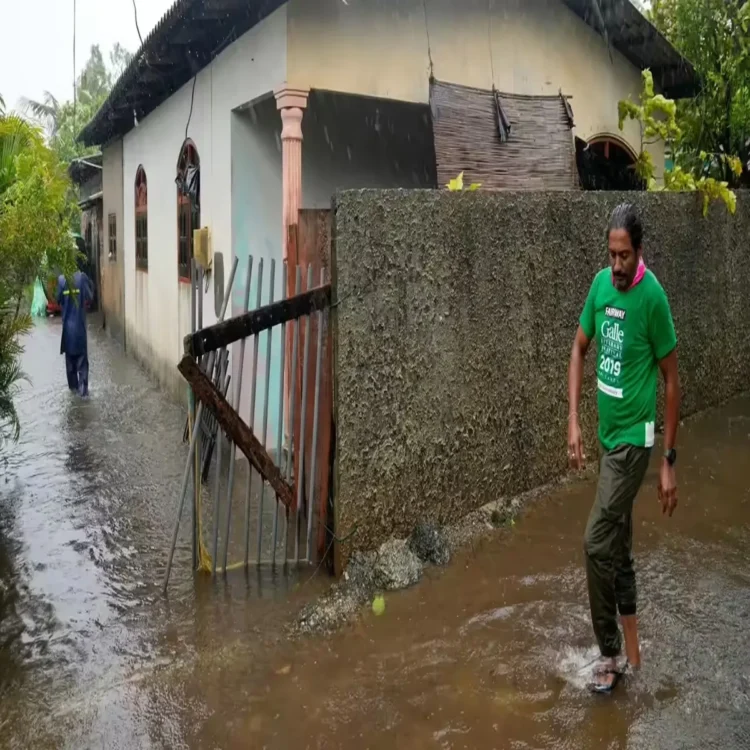
The cyclone’s impact was not limited to Bougainville. Several parts of eastern Papua New Guinea and neighboring island regions experienced flooding, damaged buildings, and disrupted livelihoods. Large waves and rising sea levels led to coastal flooding, while inland areas saw rivers overflow due to persistent rainfall.
Reports indicate that homes, roads, and essential infrastructure have been affected, leaving many communities isolated. Communication networks have also been disrupted, complicating relief and rescue efforts.
Government Begins Relief Operations
In response to the disaster, the government has started mobilizing emergency support. Relief efforts include the distribution of food supplies, clean drinking water, medical assistance, and temporary shelter materials for displaced families.
Officials have stated that efforts are underway to reach even the most remote and isolated communities. Coordination between local authorities, emergency services, and humanitarian agencies is ongoing to ensure aid reaches those in need as quickly as possible.
Earlier Warnings and Regional Impact
Before hitting Papua New Guinea, the cyclone had already raised concerns across the Pacific. Earlier reports from the Solomon Islands mentioned missing persons as emergency warnings were issued across the region.
Meteorological agencies had tracked the system as it moved through the Solomon Sea, noting its rapid intensification. At its peak, the storm was located hundreds of kilometers from major population centers but still caused widespread disruption due to its size and strength.
Ongoing Challenges Ahead
While the cyclone has now weakened, authorities warn that the aftermath could continue to pose risks. Floodwaters, unstable terrain, and damaged infrastructure remain major concerns. Communities are also facing shortages of basic supplies as recovery efforts begin.
Emergency teams continue to assess the damage and prioritize areas requiring urgent assistance. Long-term recovery is expected to take time, especially in remote island regions where access remains limited.