
UrbanPolicy – Delhi Plans Integrated Rest Centres with Atal Canteen Services
UrbanPolicy – The Delhi government has initiated a plan to develop multi-purpose rest centres across the capital, aimed at supporting gig workers and improving access to essential services. These facilities will be connected with the existing Atal Canteen network, offering food, rest areas, and basic amenities within a single space. In select locations, separate urinal facilities will also be made available specifically for gig workers, addressing a long-standing gap in public infrastructure.
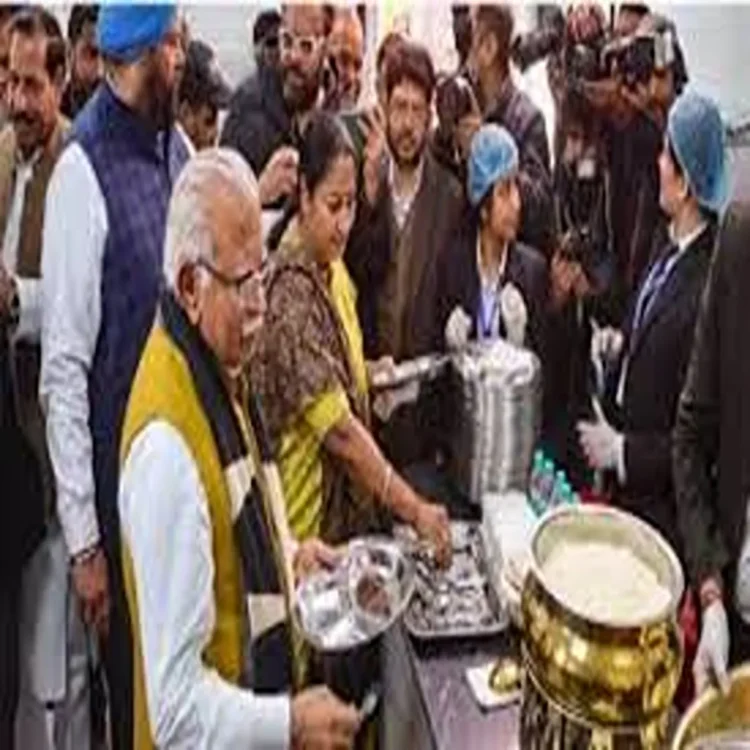
Integrated Facilities for Daily Needs
According to officials, the upcoming centres are designed to function as convenient service hubs where workers can take breaks, access meals, and use sanitation facilities. The initiative reflects a broader attempt to respond to the everyday challenges faced by delivery personnel, drivers, and other gig economy workers who spend long hours on the streets.
Authorities have been instructed to identify suitable locations across the city for setting up these centres. Once finalized, the sites will be formally notified, allowing work to begin in a phased manner. The integration with Atal Canteens is expected to ensure that affordable meals remain a key component of the scheme.
Policy Shaped by Worker Feedback
The concept for these rest centres emerged after direct interactions between Chief Minister Rekha Gupta and gig workers. During these discussions, workers shared concerns about lack of rest spaces, access to clean facilities, and affordable food options. Their feedback has played a central role in shaping the policy framework.
Officials indicated that the government is focusing not only on drafting policies but also on ensuring timely execution. The aim is to translate worker suggestions into practical solutions that can be implemented without delays.
Key Decisions from DUSIB Meeting
The proposal was among several welfare measures discussed during the 35th board meeting of the Delhi Urban Shelter Improvement Board held at the Secretariat. The meeting, chaired by the Chief Minister, also addressed issues related to slum redevelopment and improvements in urban infrastructure.
Decisions taken during the session highlight a wider strategy to strengthen support systems for economically vulnerable groups. Alongside housing initiatives, the government is prioritizing access to food and public utilities as essential components of urban development.
Expansion and Changes in Atal Canteen Scheme
As part of the plan, the Atal Canteen network will undergo structural and operational changes. Around 100 existing canteens and distribution centres are being reorganized, while an equal number of new canteens are expected to be established in the coming months.
Operating hours have also been revised to better serve the public. Lunch services will now run from 10:30 am to 2 pm, while dinner will be available between 6 pm and 9:30 pm. A short buffer period before each session will help streamline preparation and service.
Focus on Efficiency and Data Management
To improve efficiency, agencies managing these centres will receive additional access credentials, allowing smoother coordination and monitoring. The use of facial recognition technology will continue for operational purposes, but authorities have clarified that collected data will be stored only for a limited period of up to one month.
This approach aims to balance technological use with privacy considerations, ensuring that data is not retained unnecessarily.
Vision for Inclusive Urban Development
The government has emphasized that the broader goal of these initiatives is to create a more inclusive city environment. By combining housing support, affordable food access, and basic amenities, officials hope to improve living conditions for those who rely on informal or gig-based employment.
The development of rest centres linked with Atal Canteens is seen as a step toward providing dignity and convenience to workers who form a crucial part of the city’s economy.