
Foodgrains – Punjab Secures Centre’s Support to Ease Storage Pressure
Foodgrains – Punjab Chief Minister Bhagwant Singh Mann held a crucial meeting in New Delhi on Friday with Union Food and Public Distribution Minister Pralhad Joshi, securing key assurances from the Centre to address the state’s growing storage concerns ahead of the ongoing procurement season.
Special Trains Approved to Manage Grain Stocks
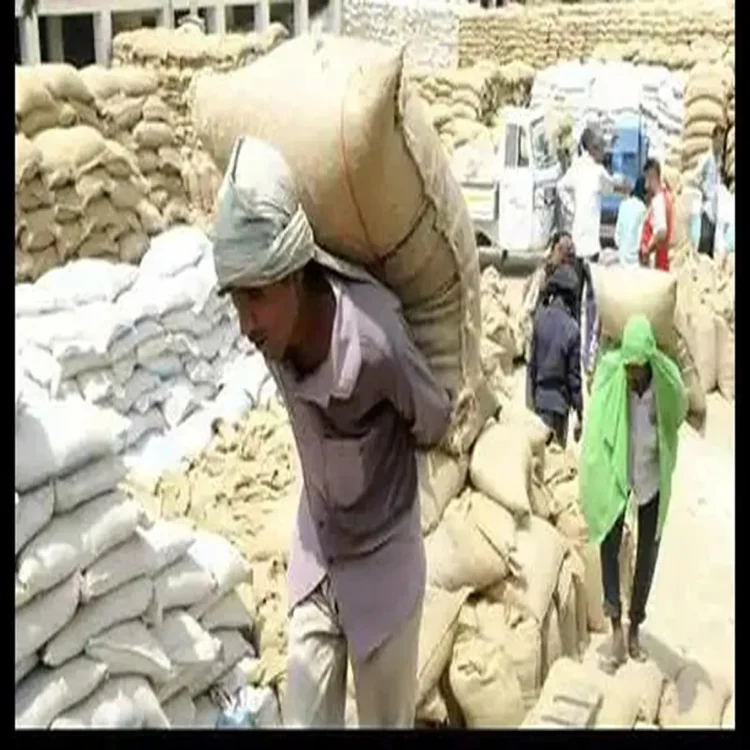
During the discussions, the Centre agreed to operate special trains to transport nearly 155 lakh metric tonnes of foodgrains currently stored across Punjab. This move is expected to significantly reduce pressure on storage infrastructure as the state prepares for large-scale wheat procurement during the Rabi Marketing Season.
Punjab has been facing a tight storage situation, with existing stocks already occupying most of the available capacity. Officials believe that timely movement of grains out of the state will help avoid logistical bottlenecks and ensure smooth procurement operations in the coming weeks.
Storage Capacity Near Saturation
The Chief Minister highlighted that around 180.88 lakh metric tonnes of foodgrains are already stored in Punjab, leaving very little room within the total capacity of approximately 183 lakh metric tonnes. This narrow margin has raised concerns about handling the incoming wheat crop efficiently.
The procurement season for 2026–27 began on April 1, and authorities expect wheat arrivals to reach between 130 and 132 lakh metric tonnes. Without immediate evacuation of existing stock, storage facilities risk becoming overwhelmed, potentially affecting procurement speed and farmer payments.
Financial and Structural Issues Raised
Apart from the storage challenge, Mann also brought several financial matters to the Centre’s attention. These included high interest rates on cash credit limits used by the state for procurement operations and a pending amount of approximately Rs 9,000 crore under the Rural Development Fund.
He also sought compensation for crops damaged by recent hailstorms and raised concerns related to commission agents, commonly known as arhtiyas, whose role remains vital in the procurement system. Issues related to Employees’ Provident Fund contributions for mandi workers were also discussed.
Centre Assures Follow-Up Action
According to the Chief Minister, the Union Minister responded positively to the concerns and assured that the issues would be addressed through a structured mechanism. A system involving senior officials at the Secretary level is expected to be set up to monitor progress on pending financial dues and other policy matters.
The assurance has been seen as a step toward improving coordination between the state and the Centre, particularly during critical agricultural operations that impact both farmers and the broader food supply chain.
Government Emphasises Farmers’ Interests
Sharing details of the meeting publicly, Mann stated that the discussions focused on protecting Punjab’s agricultural interests and ensuring that procurement processes remain uninterrupted. He emphasized the importance of swift grain lifting, timely payments, and reducing financial burdens on the state.
The state government has reiterated its commitment to safeguarding farmers’ welfare while maintaining efficiency in procurement and storage systems. With wheat arrivals expected to rise steadily, coordination between agencies will play a key role in avoiding delays and maintaining supply chain stability.
Outlook for the Procurement Season
With the Centre’s approval for additional transport arrangements, officials are hopeful that the immediate storage crisis can be managed effectively. However, long-term solutions related to infrastructure expansion and financial restructuring remain areas of concern that may require further policy attention.
As procurement gathers pace, the success of these measures will depend on timely execution and continued cooperation between state and central authorities.