
LPG – Delhi Expands Fuel Access Scheme for Migrant Workers
LPG – The Delhi government has announced a new outreach drive to improve access to cooking fuel for migrant workers living across the capital. The move comes as part of a broader effort to ensure that essential services reach vulnerable communities more efficiently.
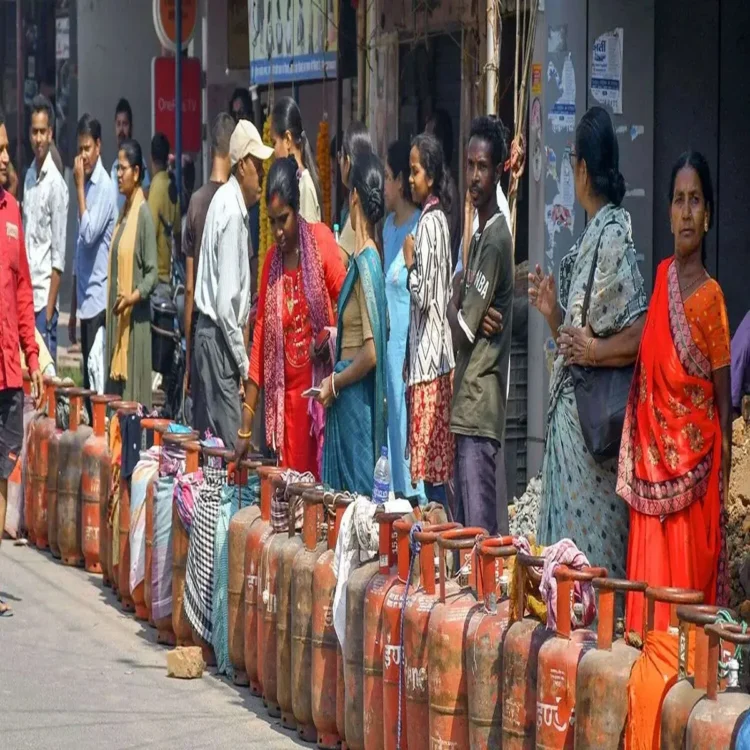
Special Camps to Improve Distribution
According to an official update, authorities will set up dedicated camps in areas where a large number of migrant labourers reside. These camps are intended to bridge gaps in access and make it easier for eligible individuals to obtain cooking gas cylinders without unnecessary delays.
The decision follows a recent revision that increased the allocation of 5 kg free trade LPG cylinders. With this change, the number of cylinders available each day has been doubled, rising from 684 to 1,368. Officials say the expanded supply will help meet growing demand among workers who often face challenges in securing fuel through regular distribution channels.
Role of District Authorities
District magistrates have been assigned a central role in executing the plan. They have been instructed to identify suitable locations and coordinate with relevant agencies to organise these camps effectively. Workers who are unable to access cylinders through existing systems can approach local district offices and request that camps be arranged closer to their residential areas.
The administration expects this decentralised approach to reduce logistical barriers and ensure that fuel reaches those who need it most. District-level teams will also monitor demand patterns and help maintain smooth operations during distribution.
Coordination with Oil Companies
The camps will function alongside the current supply network managed by authorised LPG distributors and oil marketing companies. Officials have emphasised that coordination between government departments and these companies will be key to the success of the initiative.
Eligible beneficiaries will be able to collect 5 kg cylinders at the camps by completing the required payment and presenting Aadhaar cards as proof of identity. Authorities believe that simplifying documentation requirements will further encourage participation and streamline the process.
Oversight and Demand Management
To maintain order and transparency, enforcement teams will oversee distribution at the camp sites. These teams will assess demand, ensure compliance with guidelines, and prevent irregularities. The government aims to create a system that is both efficient and accountable, particularly given the increased scale of supply.
Earlier Measures to Boost Supply
This latest step builds on earlier efforts to strengthen the availability of commercial LPG in the city. Previously, the daily allocation for migrant workers and students had already been doubled from 180 to 360 cylinders in 19-kg equivalent terms.
In addition, a revised framework allocated a total of 6,480 cylinders daily across various sectors. Essential services such as healthcare facilities, government institutions, hotels, restaurants, and roadside eateries were given priority under a first-come-first-served system.
Maintaining Overall Supply Balance
Authorities have directed oil marketing companies to strictly adhere to the overall daily cap of 6,480 cylinders. However, they have also been allowed flexibility to reassign surplus stock from one category to another when necessary, provided the relevant department is informed.
This approach is expected to ensure that no cylinder goes unused while still maintaining fairness across sectors. Officials say such adjustments will help respond to real-time demand without disrupting the broader supply chain.
Focus on Last-Mile Delivery
The introduction of special camps reflects a growing emphasis on last-mile delivery in public service initiatives. By bringing distribution points closer to communities, the government aims to reduce dependency on distant suppliers and improve convenience for daily wage workers.
The outreach programme is expected to roll out in phases, with authorities closely tracking its impact and making adjustments as needed. If successful, the model could serve as a template for similar efforts in other urban areas facing comparable challenges.