
War – Trump Signals Ceasefire Shift After Rising Tensions With Iran
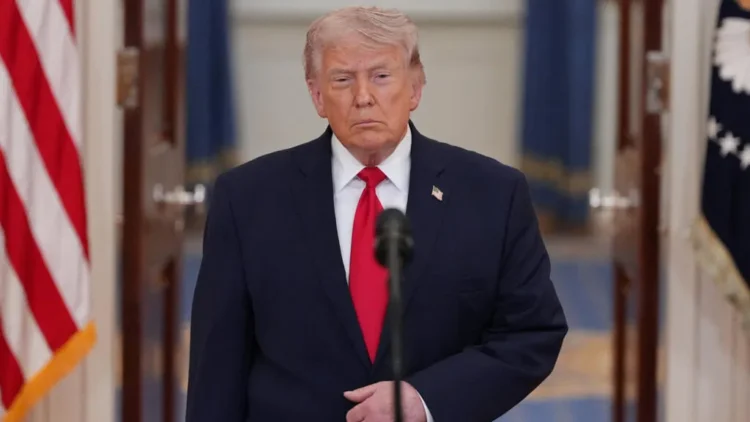
War – US President Donald Trump dramatically altered his stance on Iran within a single day, moving from issuing stark military threats to endorsing a temporary ceasefire proposal aimed at easing nearly six weeks of escalating conflict. The shift followed intense diplomatic activity involving multiple international players seeking to prevent a broader regional crisis.
Diplomatic Push Shapes Sudden Policy Change
Behind the scenes, several countries worked urgently to de-escalate the situation. Pakistan played a leading role in facilitating communication between Washington and Tehran, while China, a key economic partner of Iran, also engaged quietly to support efforts toward a pause in hostilities. According to officials familiar with the discussions, these coordinated interventions helped create conditions for a temporary agreement.
Trump announced a 14-day ceasefire shortly before a deadline he had set for Iran regarding access to the Strait of Hormuz. In his statement, he suggested that key military objectives had already been achieved and expressed optimism about the possibility of a broader peace arrangement in the Middle East.
Strategic Waterway at Center of Negotiations
The Strait of Hormuz, a vital route for global oil shipments, emerged as a central issue in the negotiations. Roughly one-fifth of the world’s oil supply passes through this narrow passage between Iran and Oman, making its security critical for global markets.
Under the proposed arrangement, both Iran and Oman would be permitted to collect transit fees from ships passing through the strait. This represents a notable shift from previous international norms, where the waterway had been treated as open for free navigation. A regional official indicated that Iran intends to use the funds for post-conflict reconstruction.
Concerns Over Long-Term Military Commitment
Military analysts have cautioned that securing the strait through force would require a substantial and prolonged commitment from the United States. Estimates suggest that maintaining control over key Iranian coastal areas could involve tens of thousands of troops and potentially extend over many years.
Experts warn that such an operation could resemble previous long-term military engagements, placing significant strain on resources and raising the risk of deeper involvement in regional conflicts. These considerations appear to have influenced the administration’s willingness to pursue a diplomatic path.
Political Reactions and Criticism
The president’s initial threats drew strong criticism from political opponents and international observers. Some lawmakers described the rhetoric as excessive and warned of the humanitarian and legal implications of targeting civilian infrastructure.
Following the ceasefire announcement, critics argued that the agreement may grant Iran increased leverage over a strategically vital region. Others questioned whether the temporary pause would lead to lasting stability or simply delay further confrontation.
Pattern of Tactical Deadlines
Trump’s use of a two-week timeframe has become a recurring feature of his decision-making approach. Similar deadlines have been set in past situations, including military actions and international negotiations, sometimes resulting in abrupt policy shifts.
Observers note that this pattern reflects a broader strategy of applying pressure before adjusting positions to create space for negotiation. While supporters view this as effective deal-making, critics argue it introduces uncertainty into complex geopolitical situations.
Outlook for Future Talks
The ceasefire is expected to be a key topic in upcoming discussions between US officials and international partners, including NATO leadership. Diplomatic efforts will likely focus on ensuring compliance with the temporary agreement and exploring pathways toward a more durable resolution.
While the immediate risk of escalation appears to have eased, significant challenges remain. The coming weeks will be critical in determining whether the ceasefire can serve as a foundation for sustained peace or if tensions will resurface.