
Ceasefire – US-Iran Truce Sparks Sharp Political Divide in Washington
Ceasefire – A newly announced two-week ceasefire between the United States and Iran has stirred intense debate across Washington, drawing a mix of cautious approval and pointed criticism from lawmakers on both sides of the political spectrum. The agreement, revealed by President Donald Trump, outlines a temporary halt in hostilities and opens the door for further negotiations between the two nations.
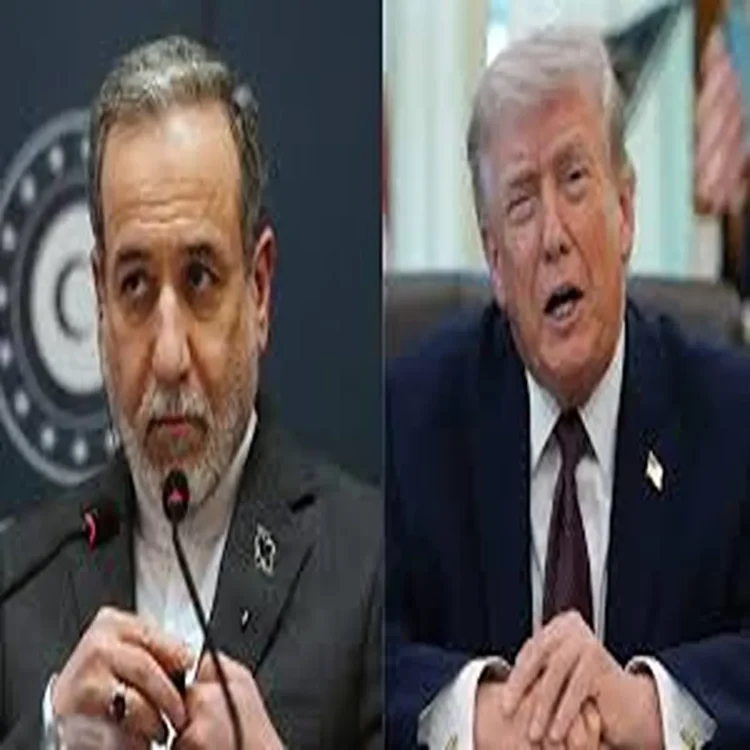
Agreement Aims to Ease Immediate Tensions
Under the terms disclosed so far, both countries have agreed to suspend military actions while working toward a broader framework consisting of multiple proposals. One key element includes the reopening of the Strait of Hormuz, a crucial passage for global oil shipments that has long been a focal point of regional tensions.
Supporters of the move see it as a necessary step to de-escalate a volatile situation. Republican Congressman Morgan Griffith praised the administration’s approach, suggesting that sustained military pressure played a decisive role in bringing Iran to the negotiating table. He emphasized that any diplomatic outcome must ensure Iran does not develop nuclear capabilities.
Griffith also acknowledged the sacrifices made by American service members, offering condolences to families affected by the conflict and recognizing their contributions.
Calls for Diplomacy with Caution
Several lawmakers framed the ceasefire as a positive but tentative development. Pennsylvania Congressman Brian Fitzpatrick described the agreement as a constructive move that prioritizes diplomacy while underscoring the need for vigilance.
He noted that protecting American lives and creating space for meaningful dialogue should remain central objectives. At the same time, Fitzpatrick reiterated longstanding concerns about Iran’s potential nuclear ambitions, stressing that the country must not be allowed to acquire such weapons.
Fitzpatrick also highlighted the importance of congressional oversight, calling for continued monitoring of the situation as it evolves.
Senator Lindsey Graham echoed a similar sentiment, expressing support for diplomatic efforts while urging caution in interpreting early reports. He emphasized the need to carefully assess the accuracy of available information before drawing firm conclusions about the agreement’s implications.
Criticism Over Strategy and Transparency
Despite some support, the ceasefire has faced strong criticism. Indiana Congressman Frank Mrvan questioned the administration’s decision-making, arguing that recent actions lacked clear justification and defined objectives.
He pointed out that American troops remain exposed to potential risks and warned that the broader economic impact is already being felt domestically, with rising costs affecting everyday consumers.
California Congressman Kevin Kiley raised concerns about the broader implications of US conduct, emphasizing that military actions must align with national values and legal frameworks. He stressed that Congress has a duty to oversee ongoing operations and ensure accountability.
Concerns Over Rhetoric and Global Image
Some lawmakers focused on the tone and messaging surrounding the situation. Senator Lisa Murkowski expressed concern over recent rhetoric, warning that it undermines longstanding principles the United States has sought to uphold internationally.
She argued that such language could increase risks for Americans both at home and abroad, potentially complicating diplomatic efforts.
Arizona Senator Ruben Gallego also criticized the approach, emphasizing that the strength of the US military lies not only in its capabilities but in its adherence to legal and ethical standards. He warned that statements perceived as extreme could damage the country’s global standing and credibility.
Strategic Importance of the Strait of Hormuz
The ceasefire comes at a time of heightened sensitivity in the Gulf region, particularly regarding the Strait of Hormuz. This narrow waterway handles a significant portion of the world’s oil supply, making it vital for global energy stability.
Any disruption in this corridor can have immediate consequences for international markets, especially for countries heavily dependent on oil imports. The reopening of the strait under the ceasefire agreement is therefore seen as a critical step toward stabilizing supply chains and easing market uncertainties.
While the agreement provides a temporary pause in tensions, its long-term success will depend on the outcomes of upcoming negotiations and the ability of both sides to reach a durable understanding.