
Diplomacy – Taiwan Opposition Leader Begins China Visit Amid Rising Tensions
Diplomacy – Taiwan’s main opposition figure arrived in China on Tuesday, marking a significant and uncommon political visit that comes at a sensitive moment in regional relations. The trip is being framed by her party as an effort to promote stability, even as Taiwan’s government cautions that Beijing may use the opportunity to influence key defence policies.
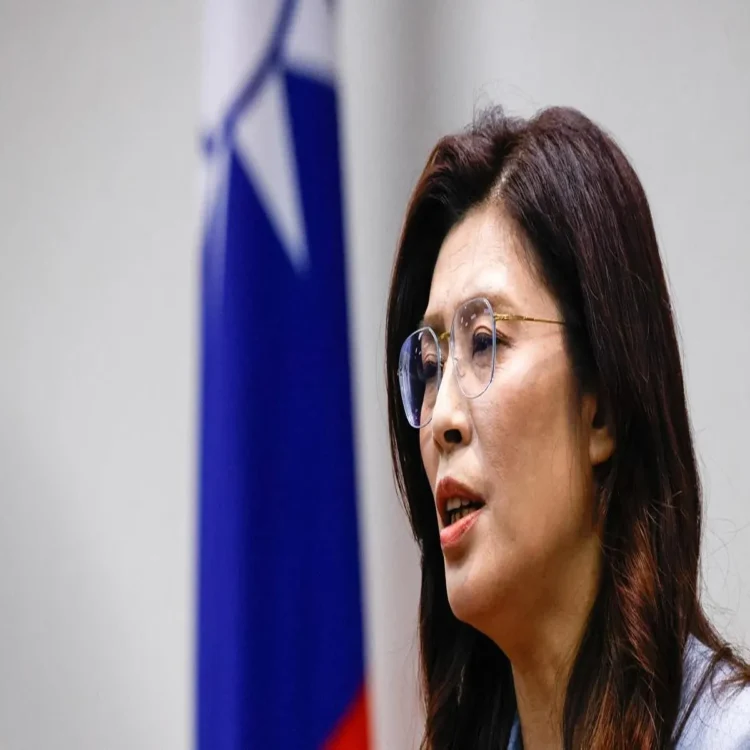
Visit Aims to Promote Dialogue Across the Strait
Cheng Li-wun, chairwoman of Taiwan’s Kuomintang (KMT), landed in Shanghai at the start of a six-day visit that will also take her to Nanjing and Beijing. According to Chinese state media, she arrived in the afternoon and was received with a formal welcome before being escorted away from the airport.
Speaking before her departure, Cheng emphasized the importance of avoiding conflict. She stated that maintaining peace is essential for Taiwan’s future and stressed the need for gradual trust-building between both sides. Her remarks reflect the KMT’s longstanding position of encouraging closer engagement with China.
Political Context and Internal Criticism
Cheng’s visit is particularly notable as she is the first KMT leader in nearly a decade to travel to China. Her rise to party leadership last year drew attention, including a congratulatory message from Chinese President Xi Jinping. However, her stance has also sparked criticism from both political opponents and some within her own party, who argue that her approach may lean too heavily toward Beijing.
The KMT has traditionally supported dialogue with China, which considers Taiwan part of its territory. This position contrasts with the ruling Democratic Progressive Party (DPP), which has taken a firmer stance on Taiwan’s sovereignty.
Taiwan Government Raises Security Concerns
Ahead of the visit, Taiwan’s Mainland Affairs Council issued a warning that China could attempt to influence Taiwan’s defence decisions, particularly regarding arms purchases from the United States. Officials expressed concern that Beijing may seek to weaken Taiwan’s international defence cooperation.
Cheng dismissed these concerns, stating that her trip is solely focused on fostering peace and stability. She reiterated that discussions would not involve military procurement or related matters.
Debate Over Defence Spending Continues
The visit comes as Taiwan’s parliament remains divided over a major defence spending proposal. The government has put forward a plan to allocate approximately NT$1.25 trillion for military enhancements, but the proposal has faced delays due to opposition resistance.
Cheng has criticized the scale of the proposed spending, arguing that Taiwan should not overextend its financial resources. Instead, she has supported a more limited defence budget, while still acknowledging the importance of maintaining a strong military capability.
This debate highlights broader divisions within the KMT, where some senior members are calling for increased defence investment in response to growing military pressure from China.
Rising Tensions and International Factors
Relations between Taiwan and China have remained strained in recent years, particularly since 2016 when Beijing suspended high-level communication following the election of President Tsai Ing-wen. Since then, China has increased its military presence near Taiwan, including frequent air and naval activities.
Cheng’s visit also comes shortly before a planned summit between Chinese President Xi Jinping and US President Donald Trump in Beijing. The United States continues to play a central role in Taiwan’s security, serving as its primary arms supplier.
Recent US arms sales to Taiwan, including a major package approved last December, have drawn strong objections from China. There is ongoing uncertainty about future deals, especially as Beijing has urged Washington to halt such transactions.
Balancing Relations Between Major Powers
Cheng has maintained that Taiwan should not be forced to choose between China and the United States. While supporting strong defence measures, she has also advocated for maintaining open communication channels with Beijing.
Her visit underscores the delicate balance Taiwan faces as it navigates complex relationships with both global and regional powers. The outcome of this trip may influence not only cross-strait relations but also Taiwan’s internal political dynamics in the months ahead.