
GlobalRelations – Trump Questions NATO Support During Escalating Iran Conflict
GlobalRelations – US President Donald Trump has voiced strong criticism of NATO and several long-standing American allies, accusing them of failing to support Washington’s military actions against Iran. Speaking during a recent interaction, Trump described the alliance as ineffective and claimed that the United States was left to manage the situation largely on its own.
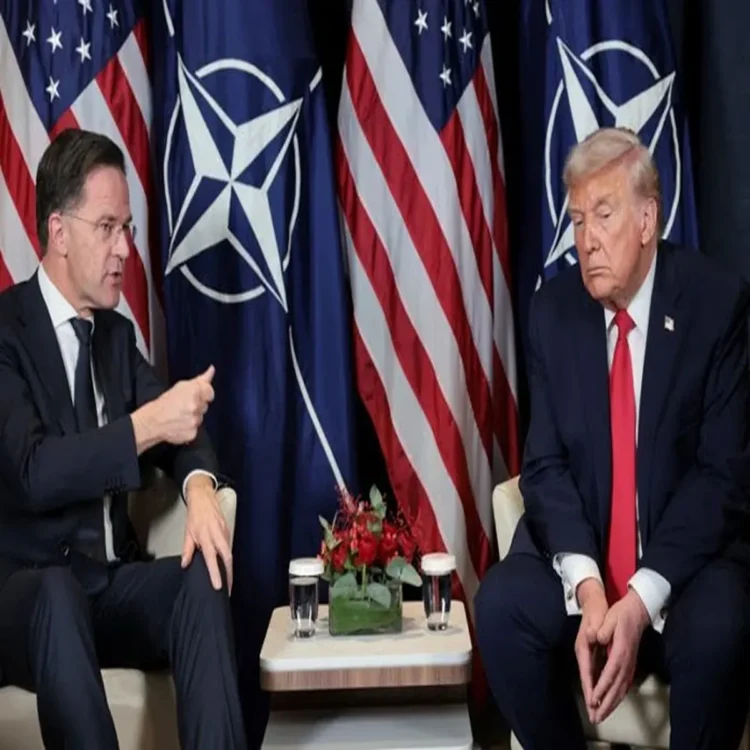
Concerns Over NATO’s Role in the Conflict
Trump expressed disappointment with NATO’s response, arguing that member countries did not step forward when the United States expected support. According to him, the alliance did not provide even basic logistical assistance during the conflict. He pointed out that certain countries declined to offer facilities such as landing access, which he described as a sign of reluctance to engage.
His remarks highlighted a broader concern about the operational strength and unity of NATO, suggesting that the alliance may not be as dependable as previously believed during times of crisis.
Criticism Extends Beyond Europe
In addition to NATO members, Trump also named key US partners in Asia-Pacific, including Japan, South Korea, and Australia. He stated that these countries, despite benefiting from American security arrangements, did not contribute to the military effort.
The President noted that the United States maintains a significant troop presence in both Japan and South Korea to ensure regional stability. Despite this, he argued that these nations chose not to participate in the Iran conflict, raising questions about mutual defense commitments.
Growing Divide Between the US and Allies
The situation reflects a widening gap between Washington and its allies as the Iran conflict continues. Reports indicate that several countries are hesitant to align themselves with US actions due to concerns over unpredictability in policy decisions. Many allies are also weighing the potential economic and geopolitical consequences of deeper involvement.
Energy supply disruptions and financial instability linked to the conflict have added to the hesitation. Governments appear cautious about committing resources without a clear long-term strategy or consensus among international partners.
Shift From Past Military Coalitions
Historically, US-led military operations have often involved broad international coalitions. However, the current scenario marks a noticeable shift, with limited external participation. This change underscores evolving global dynamics and differing national priorities among allies.
Trump’s comments suggest that he views the lack of support as a significant departure from past cooperation. He emphasized that the United States has traditionally carried a major share of NATO’s responsibilities, implying that the imbalance has become more evident during the Iran conflict.
Strategic Implications for Global Security
The remarks also touched on broader strategic concerns, including perceptions of global power. Trump suggested that adversaries may not view NATO as a strong deterrent, instead focusing on the capabilities of the United States alone. This perspective raises questions about the future credibility of collective defense arrangements.
As tensions continue, the role of alliances in modern conflicts is likely to remain a key issue. The ongoing situation may prompt discussions on burden-sharing, decision-making processes, and the overall structure of international security partnerships.
Trump’s statements have added to an already complex diplomatic environment, where cooperation and trust among allies are being closely examined. Whether this episode leads to policy changes or renewed dialogue within alliances remains to be seen.