
Travel – Uttarakhand Adventure Tourism Hit by Global Tensions and Fewer Bookings
Travel – The adventure tourism industry in Uttarakhand is facing a challenging period this season, as rising geopolitical tensions, particularly involving the United States and Iran, have led to a noticeable drop in international visitor interest.
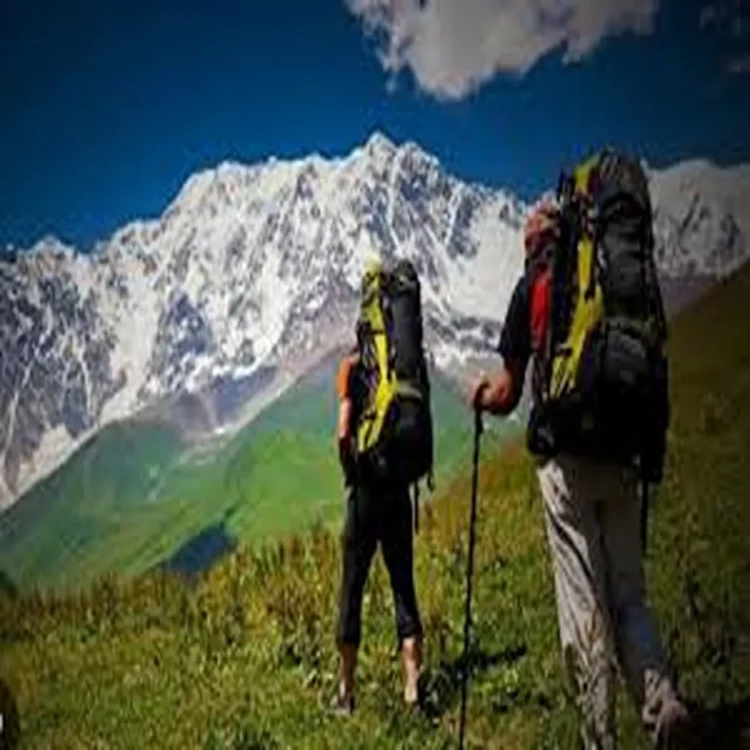
Decline in Foreign Bookings Raises Concerns
Tour operators across the Himalayan state are witnessing an unusually quiet start to what is typically a busy season. By this time of year, businesses usually handle a steady flow of inquiries and confirmed bookings from international trekkers. However, operators now report that inquiries from key markets such as the United States, the United Kingdom, Israel, and several European countries have slowed significantly.
Industry representatives say that not only have new bookings decreased, but even previously confirmed plans are being postponed or cancelled. Many operators who depend heavily on foreign tourists are now uncertain about how the season will unfold.
Local Operators Face Operational Challenges
The difficulties are not limited to international travel trends. Domestic expedition providers are also dealing with logistical issues. Reports indicate shortages of essential supplies such as fuel, cooking gas, and kerosene—items that are crucial for organizing high-altitude treks and expeditions.
These shortages have added to the operational burden for companies already struggling with reduced bookings. For many small businesses and local guides, this combination of declining demand and supply disruptions is creating financial pressure.
Seasonal Expectations Fall Short
The state administration had planned to begin the mountaineering season from April 1, offering hope for a strong start to the year. Traditionally, Uttarakhand attracts more than 10,000 international trekkers and climbers annually, making tourism a vital contributor to the local economy.
However, this year’s early trends suggest that those expectations may not be met. The ongoing global uncertainties have made travelers more cautious, particularly those planning long-distance or high-risk journeys.
Experts Point to Policy and Global Factors
Industry observers believe that global tensions are only part of the problem. Some experts argue that internal challenges within the state’s tourism system are also contributing to the slowdown.
Experienced mountaineers and tour operators have highlighted concerns about increasing administrative complexities. They suggest that complicated permit processes and regulatory requirements may discourage foreign adventurers who are comparing multiple destinations worldwide.
Uttarakhand has long been a preferred destination for climbers due to its diverse पर्वतीय terrain and iconic Himalayan peaks. Enthusiasts from countries like the United States, Canada, Sweden, and Switzerland often consider it a dream destination. However, industry voices say that ease of access and streamlined procedures are now more important than ever in attracting global travelers.
Impact of Travel Advisories
Another factor influencing the decline is the issuance of travel advisories by certain countries. These advisories, particularly from the United States, are believed to be affecting the decisions of potential visitors. Even travelers who are interested in visiting India may delay their plans due to safety concerns or uncertainty surrounding international travel conditions.
Tour operators note that American trekkers, who form a significant portion of their clientele, are among those most affected. This has further contributed to the reduced footfall in the region.
Uncertain Outlook for the Season
With the peak season approaching, stakeholders in Uttarakhand’s adventure tourism sector remain cautious. While there is still hope that conditions may improve in the coming months, the current situation has created an atmosphere of uncertainty.
For now, operators are focusing on adapting to the situation, exploring domestic tourism opportunities, and preparing for a gradual recovery. The coming weeks will be crucial in determining whether the sector can regain momentum or continue to face challenges.