
Hydropower – Jammu and Kashmir Speeds Up Plan to Triple Energy Capacity by 2035
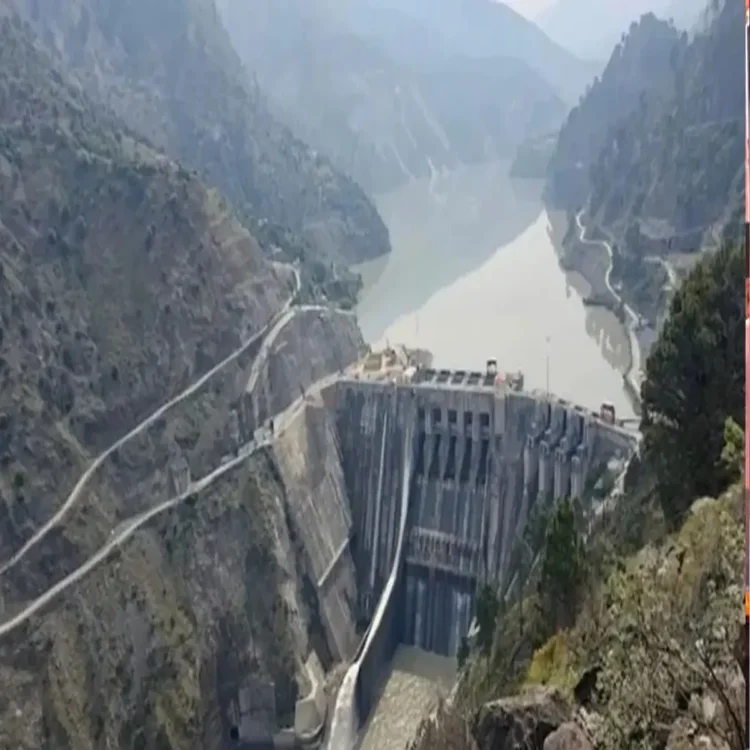
Hydropower – Jammu and Kashmir has moved ahead with an ambitious strategy to significantly expand its hydropower capacity, setting a target of nearly 11,000 MW by 2035. The renewed push comes after the suspension of the Indus Water Treaty (IWT) with Pakistan in the aftermath of last year’s Pahalgam attack, which officials say has opened new avenues for faster project execution.
New Policy Framework to Encourage Investment
Chief Minister Omar Abdullah, who also oversees the power department, informed the Assembly that a draft Hydel Policy 2025 has been prepared to strengthen the small hydropower sector. The policy is designed to draw private investment, create employment opportunities, and improve the socio-economic conditions of local communities.
According to the government, the draft policy reflects lessons learned from earlier initiatives while incorporating successful practices from neighboring regions. It has been released for public consultation, allowing stakeholders and citizens to provide feedback before finalization.
Focus on Small Hydropower and Private Participation
A key feature of the proposed policy is its emphasis on developing projects on smaller rivers and streams with the involvement of private players. Independent power producers will also be required to provide free electricity or a royalty share to the Union Territory after a defined period of commercial operations.
Officials believe this approach will help reduce long-term electricity procurement costs and ensure that the region benefits directly from its natural resources.
Treaty Suspension Accelerates Project Timelines
The suspension of the Indus Water Treaty has removed the need for prior clearance from Pakistan for certain hydropower projects. This change is expected to accelerate ongoing work and enable authorities to take a more proactive approach in utilizing available water resources.
Political leaders across Jammu and Kashmir have largely supported the decision, arguing that earlier restrictions under the treaty had limited the region’s ability to fully harness its hydropower potential.
Untapped Potential and Current Progress
The region is estimated to have a hydropower potential of around 18,000 MW, out of which approximately 15,000 MW has already been identified for development. However, only about 3,540 MW—roughly 24 percent of the identified capacity—has been developed so far.
This includes projects across different sectors: 13 projects with a combined capacity of 1,197.4 MW under the Union Territory, six central sector projects totaling 2,250 MW, and 12 privately developed projects contributing 92.75 MW.
Roadmap for the Next Decade
The government has outlined a detailed roadmap aimed at rapidly scaling up capacity over the next ten years. Currently, six hydropower projects with a combined capacity of 3,063.5 MW are under construction. Additionally, eight projects totaling 4,507 MW are in various stages such as tendering, approvals, and detailed project reporting.
The private sector is also expected to contribute an additional 100 to 150 MW in the coming years.
Authorities say the combined efforts under this roadmap will help the Union Territory move closer to its goal of tripling installed capacity by 2035, positioning hydropower as a central pillar of its energy strategy.
Broader Economic and Energy Implications
Beyond electricity generation, the hydropower expansion is expected to play a crucial role in economic development. Increased investment in infrastructure, job creation in construction and operations, and improved power availability could collectively boost industrial and local economic growth.
The government’s approach signals a shift toward maximizing domestic resources while reducing dependency on external power supply. If implemented effectively, the plan could transform Jammu and Kashmir into a major contributor to India’s clean energy goals.