
BRICS – Congress Questions India’s Silence on West Asia Crisis Diplomacy
BRICS – The Congress party on Monday raised concerns over the Centre’s approach to the escalating crisis in West Asia, questioning why India has not used its upcoming BRICS+ presidency to push for a coordinated international response.
Opposition Questions Missed Diplomatic Opportunity
Senior Congress leader Jairam Ramesh criticised the government for not advancing the timeline of the BRICS+ Summit, which is scheduled to take place in New Delhi later this year. He argued that the current situation in West Asia demands urgent multilateral engagement and that India, as the incoming chair, is in a position to lead such an effort.
Ramesh suggested that an early summit could have brought key nations together to deliberate on the crisis and explore diplomatic solutions. According to him, delaying such engagement reflects a lack of urgency at a time when tensions in the region continue to intensify.
Sharp Remarks on Leadership and Foreign Policy
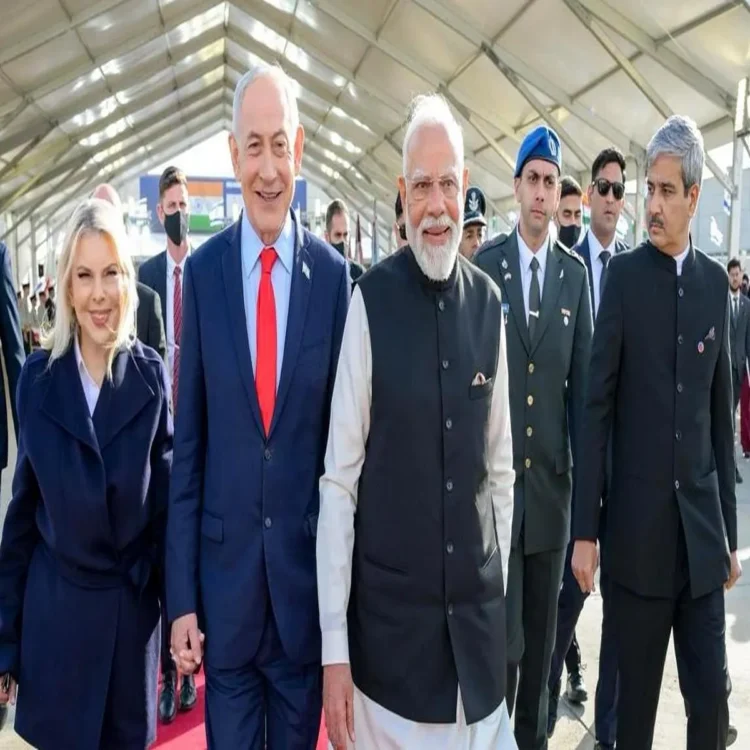
In a pointed remark, the Congress leader took aim at Prime Minister Narendra Modi’s claims of global leadership. He questioned why India has not taken a more proactive stance, particularly when it has the opportunity to convene major global players under the BRICS+ framework.
Ramesh also indicated that India’s reluctance may be influenced by its desire to maintain strong ties with influential global leaders, including those directly connected to the ongoing conflict. He implied that this balancing act could be limiting India’s diplomatic assertiveness on the issue.
BRICS+ Expansion and Its Strategic Importance
The upcoming BRICS+ Summit is expected to be significant, especially with the expanded membership that now includes countries from different regions, such as Argentina, Egypt, Ethiopia, Saudi Arabia, Iran, and the United Arab Emirates, along with the original members Brazil, Russia, India, China, and South Africa.
Given this broader representation, the platform offers a unique opportunity to address global challenges collectively. Congress leaders argue that India should utilise this expanded grouping to initiate meaningful dialogue on the West Asia situation and its global implications.
Limitations of Bilateral Engagement Highlighted
Ramesh also referred to reports suggesting that the Prime Minister has been engaging with foreign leaders through phone conversations to discuss the crisis. While acknowledging these efforts, he pointed out the limitations of such communication, noting that structured summits often lead to more concrete outcomes.
He emphasised that face-to-face discussions at multilateral forums can facilitate deeper understanding and result in actionable decisions, something that individual calls may not achieve effectively.
Continued Criticism Over Government’s Stance
The Congress has been consistently critical of the government’s handling of the situation. In recent statements, the party accused the Centre of failing to issue a collective position as the BRICS+ Chair, arguing that this undermines India’s standing on the global stage.
The opposition has also expressed dissatisfaction over the government’s response to recent military developments in the region, including the lack of a clear condemnation of ongoing military actions and the broader humanitarian implications.
Escalating Conflict Raises Global Concerns
The conflict in West Asia, now stretching beyond three weeks, continues to intensify with no immediate signs of resolution. Reports indicate ongoing missile exchanges and drone attacks, particularly in regions critical to global energy infrastructure.
There are also growing concerns about the potential expansion of the conflict, as threats extend beyond military targets to include economic and civilian sites. This has heightened fears of wider instability that could impact global markets and security.
Meanwhile, the United States has reportedly increased its military presence in the region, deploying additional naval assets and personnel. This development underscores the seriousness of the situation and the risk of further escalation.
Call for Stronger Diplomatic Leadership
Against this backdrop, the Congress has reiterated its call for India to take a more active and visible role in international diplomacy. The party believes that India’s position as the upcoming BRICS+ chair provides both an opportunity and a responsibility to contribute to peace efforts.
As tensions continue to rise, the demand for coordinated global action is becoming more urgent. Whether India chooses to step forward with a more assertive diplomatic initiative remains to be seen.