
Heatwave – Tamil Nadu Issues Fresh Health Advisory Amid Rising Temperatures
Heatwave – As temperatures climb steadily across Tamil Nadu, health authorities have issued a detailed advisory urging residents to remain cautious and protect themselves from heat-related illnesses.
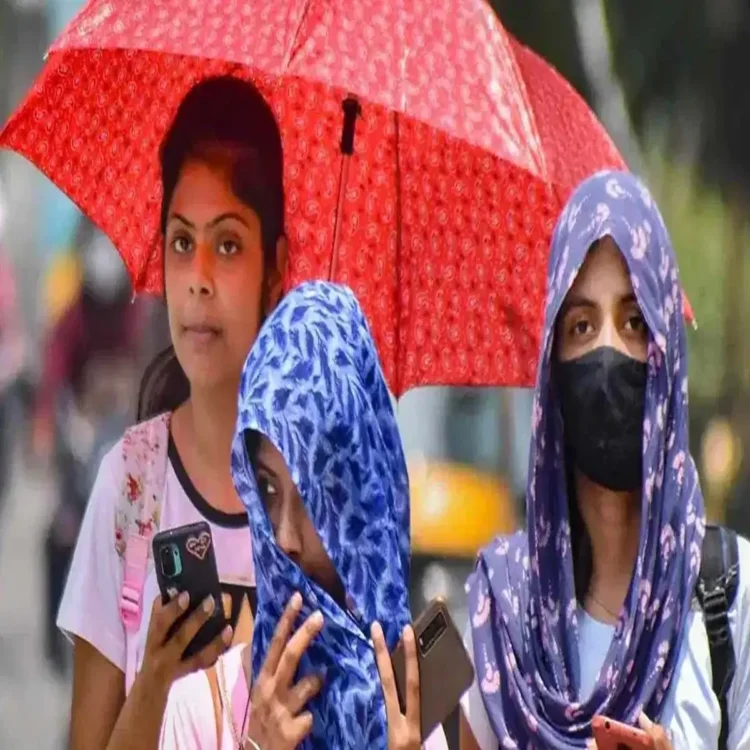
Rising Heat Prompts Health Warning
With the mercury continuing to rise in many parts of the state, the Directorate of Public Health (DPH) has expressed concern over the potential health risks associated with prolonged exposure to extreme heat. Officials warned that sustained high temperatures could lead to an increase in heat-related medical emergencies if adequate precautions are not followed.
The advisory encourages people to take simple yet effective steps to stay safe. These include drinking sufficient water throughout the day, limiting outdoor activities during the hottest hours in the afternoon, and paying close attention to early signs of heat stress.
Understanding Heat-Related Symptoms
Health experts have outlined a range of symptoms that individuals should watch for during hot weather conditions. Mild effects such as skin irritation, dehydration, and muscle cramps can occur initially. However, if ignored, these can progress to more serious conditions like heat exhaustion or even heatstroke, which can be life-threatening.
Authorities have noted that the risk becomes more severe when temperatures approach or exceed 45 degrees Celsius. Under such conditions, the human body struggles to regulate its internal temperature, increasing the likelihood of complications.
Vulnerable Groups at Greater Risk
The advisory places special emphasis on protecting vulnerable sections of the population. Elderly individuals, young children, outdoor laborers, and people with existing medical conditions are particularly susceptible to heat-related illnesses.
Officials have urged families and caregivers to ensure that these groups remain hydrated, stay in cool environments, and avoid unnecessary exposure to direct sunlight.
Hospitals Strengthen Preparedness
In response to the anticipated rise in heat-related cases, government hospitals across Tamil Nadu have enhanced their preparedness. Medical facilities have been equipped with additional beds, essential medicines, oral rehydration solutions, intravenous fluids, and cooling devices.
Emergency services have also been reinforced, with ambulance networks put on alert to respond quickly to heat-related incidents. Special arrangements have been made at primary health centres, district hospitals, and medical college hospitals to handle a potential increase in patient inflow.
Authorities Emphasise Preventive Action
Public health officials have instructed local authorities to implement comprehensive heat action plans. These include spreading awareness about heat safety, improving healthcare readiness, and ensuring that necessary resources are available at all levels.
Maintaining uninterrupted power supply to hospitals has been identified as a key priority to support cooling systems. Additionally, long-term measures such as improving ventilation and promoting heat-resistant infrastructure, including cool-roof initiatives, are being encouraged.
Importance of Early Medical Attention
Medical professionals have stressed that early intervention can significantly reduce the severity of heat-related illnesses. Individuals experiencing symptoms such as dizziness, unusually high body temperature, or confusion are advised to seek immediate medical care.
Timely treatment, doctors say, can prevent complications and improve recovery outcomes.
Guidelines for Public Gatherings
The health department has also issued specific instructions for organisers of outdoor events and large gatherings. Adequate arrangements for drinking water, shaded areas, and on-site medical assistance are now considered essential to ensure public safety.
As the heatwave continues, authorities have reiterated the importance of collective responsibility in minimizing health risks and staying prepared for extreme weather conditions.