
OilPrices – Crude Oil Spike After Iran Strike Raises Global Energy Concerns
OilPrices – Global oil markets witnessed a sharp upswing on Thursday after Iran launched a strike on Qatar’s Ras Laffan liquefied natural gas facility. The move came in response to Israel’s earlier attack on Iran’s South Pars gas field, significantly escalating tensions in the region. Brent crude prices climbed nearly 6 percent during the day, reaching approximately $113.6 per barrel, reflecting heightened uncertainty in global energy markets.
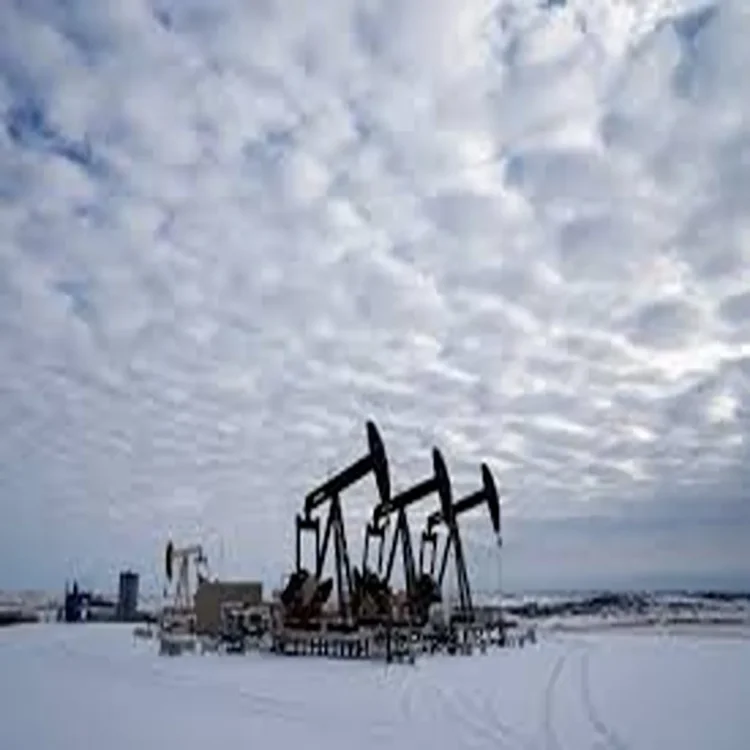
Escalating tensions trigger market reaction
The latest developments mark a serious turn in the ongoing conflict, with Iran signaling that further retaliatory actions could follow if its energy infrastructure faces additional threats. This warning has amplified fears of prolonged instability in one of the world’s most critical energy-producing regions, prompting immediate reactions across global commodity markets.
Major disruption at Qatar’s key gas facility
Ras Laffan, operated by QatarEnergy, is among the largest natural gas processing hubs globally and plays a vital role in supplying liquefied natural gas to several countries. The attack led to a significant fire at the site and forced partial suspension of operations. While Qatari authorities confirmed that most incoming missiles were intercepted, at least one managed to strike the facility, causing notable damage.
According to QatarEnergy’s leadership, infrastructure responsible for nearly 17 percent of the country’s LNG export capacity has been impacted. Initial assessments suggest that restoring full operations may take several years, raising concerns about long-term supply constraints in the global gas market.
India faces potential supply challenges
The situation holds particular significance for India, which relies heavily on energy imports from West Asia. A substantial portion of India’s LPG and LNG supplies originates from this region, with Qatar being a crucial partner. Any disruption in supply chains could have direct implications for domestic energy availability and pricing.
Officials from India’s Ministry of Petroleum and Natural Gas have acknowledged the risks associated with such geopolitical developments. They emphasized that the country has been actively working to diversify its energy sourcing strategy. Over recent years, India has increased crude oil imports from regions outside the Gulf, reducing dependence on traditional suppliers. Efforts are also underway to expand LNG procurement from countries such as the United States and Australia.
Supply diversification efforts under focus
India’s push toward diversification is aimed at reducing vulnerability to geopolitical disruptions. While these measures provide some buffer, experts caution that shifting supply routes often comes with increased logistical costs. Higher transportation expenses and limited availability of alternative supplies may eventually lead to increased import bills.
Adding to the strain, some LNG deliveries from Qatar had already been affected earlier due to force majeure declarations. The latest attack could further delay supply normalization, with analysts indicating that full recovery of affected production facilities may take several months.
Impact spreads to financial markets
The ripple effects of the crisis were also felt in financial markets. Investor sentiment weakened significantly as concerns over rising energy prices and geopolitical instability grew. India’s equity markets saw a steep decline, with the BSE Sensex dropping 3.2 percent during Thursday’s trading session. This downturn resulted in a substantial erosion of investor wealth, highlighting the broader economic impact of the unfolding situation.
Fuel prices remain unchanged for now
Despite the surge in global crude oil prices, the Indian government has indicated that there will be no immediate revision in petrol and diesel prices. This decision offers temporary relief to consumers, although sustained increases in global energy costs could pose challenges in the near future.
As tensions continue to unfold in the Middle East, global energy markets remain on edge. The situation underscores the importance of supply diversification and strategic planning for countries heavily dependent on energy imports.