
Elections – Political Parties Use Ramzan Iftar Events to Strengthen Minority Outreach
Elections – With the announcement of the Assembly election schedule, political activity has intensified across regions, and parties are increasingly turning to Ramzan Iftar gatherings as a way to connect with minority communities. These events are being used not only as social occasions but also as opportunities to signal inclusiveness and build stronger ties with voters.
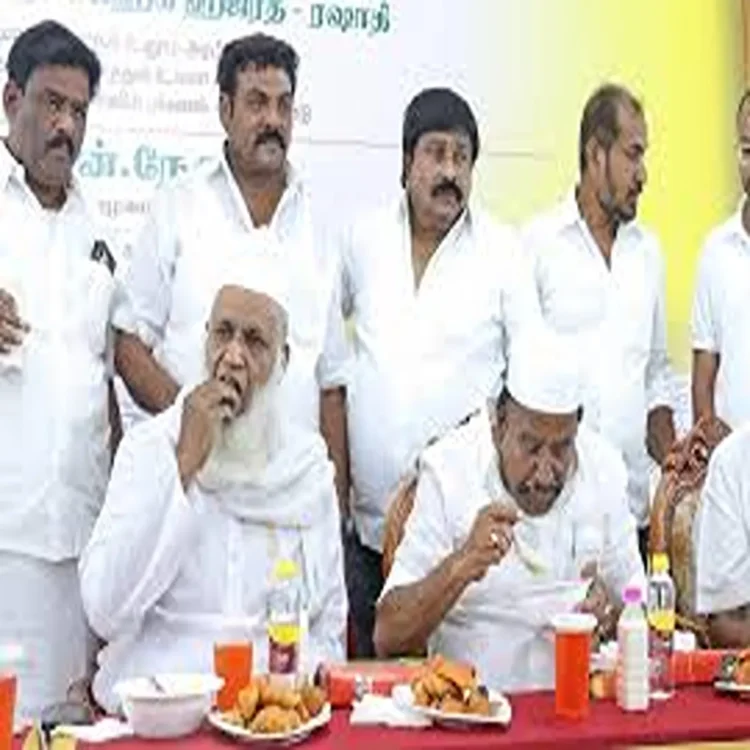
Iftar Gatherings Become Key Political Platforms
In Tiruchy, the city unit of a major regional party organised an Iftar near the busy Chathiram bus stand earlier this week. The event was led by senior local leadership and saw participation from several party office-bearers. According to insiders, such initiatives are part of a broader plan to re-establish connections with minority voters, particularly in urban constituencies where their presence is significant.
These gatherings, traditionally associated with communal harmony, are now playing an increasingly visible role in the political calendar as elections approach. Leaders believe that engaging directly with communities during culturally important occasions helps create a more personal connection with voters.
Competitive Outreach Among Major Parties
The recent event follows closely after a similar gathering attended by a senior leader from the ruling party just a day earlier. In cities like Tiruchy, where the Muslim population forms a notable segment of the electorate, Iftar events have become a recurring feature during the holy month each year.
Sources within political circles suggest that the scale and organisation of such events are often carefully planned. Beyond the social aspect, they are also seen as a reflection of how effectively a party can engage with diverse communities. Participation from different sections of society is often highlighted as a sign of broader outreach and inclusivity.
Emphasis on Unity Over Political Messaging
Organisers associated with community groups have, however, maintained that the primary purpose of these gatherings remains social and cultural. Representatives involved in hosting such events stressed that their focus is on fostering unity and strengthening relationships across communities rather than promoting any political agenda.
They pointed out that people from various backgrounds attend these gatherings, making them a platform for interaction and understanding. In the current climate, where concerns about social divisions are often discussed, such events are seen as an opportunity to reinforce shared values and mutual respect.
Religious Leaders Maintain Neutral Position
Religious figures in the region have also clarified their stance regarding the presence of political leaders at Iftar events. According to them, while representatives from multiple parties are invited, there is no attempt to guide or influence voting preferences.
They emphasised that their role is limited to encouraging harmony and discouraging divisive attitudes. Invitations are typically extended to all major political parties, ensuring that the gatherings remain inclusive and non-partisan in nature.
Varied Participation Across Political Events
Not all events have seen uniform participation from political or community organisations. In some cases, certain political groups noted the absence of key minority-based parties at their gatherings. However, local community leaders and influential members from various jamaaths did attend, giving these events a strong grassroots presence.
Party representatives stated that their focus remains on direct engagement with people rather than forming political alliances at such occasions. The emphasis, they said, is on listening to community concerns and strengthening local connections.
Emerging Parties Join the Outreach Effort
Newer political formations are also making efforts to establish their presence through similar initiatives. One such party has announced plans to host its own Iftar event and has additionally been distributing early morning meals during Ramzan to support economically weaker sections within minority communities.
These steps indicate that outreach during the festive period is no longer limited to established parties but is being adopted by newer entrants seeking visibility and acceptance.
Cultural Events Gain Strategic Importance
As election campaigning gathers momentum, the growing importance of Iftar gatherings highlights how cultural and religious occasions are becoming intertwined with political strategies. While the events continue to promote social bonding, they also offer parties a meaningful way to engage with communities in a respectful and familiar setting.
This blend of cultural participation and political outreach reflects a broader trend, where building trust and demonstrating inclusivity are becoming central to electoral efforts.