
Venezuela – US Expands Energy Sector Authorisations to Support Global Supply
Venezuela – The United States has broadened regulatory permissions affecting Venezuela’s oil and petrochemical industries, a policy shift that may influence global supplies of energy and fertilizer. The decision is expected to attract attention from major importing nations, including India, where fertilizer availability remains critical for agricultural productivity.
Policy Update from US Treasury Department
The US Treasury Department confirmed that new changes have been introduced through revised licenses issued by the Office of Foreign Assets Control (OFAC). These adjustments are designed to encourage renewed activity in Venezuela’s struggling energy sector while supporting stability in international commodity markets.
Officials said the revised framework allows more operational and investment activities connected to Venezuela’s oil and petrochemical industries. According to the department, the move aligns with broader efforts by the current US administration to contribute to Venezuela’s economic recovery while supporting global market stability.
Expansion of Energy and Petrochemical Activities
Under the updated authorisations, certain transactions that were previously restricted under US sanctions regulations have now been expanded. The licenses permit established US entities to participate in activities involving Venezuelan-origin oil, provided that the operations comply with specific conditions set by regulators.
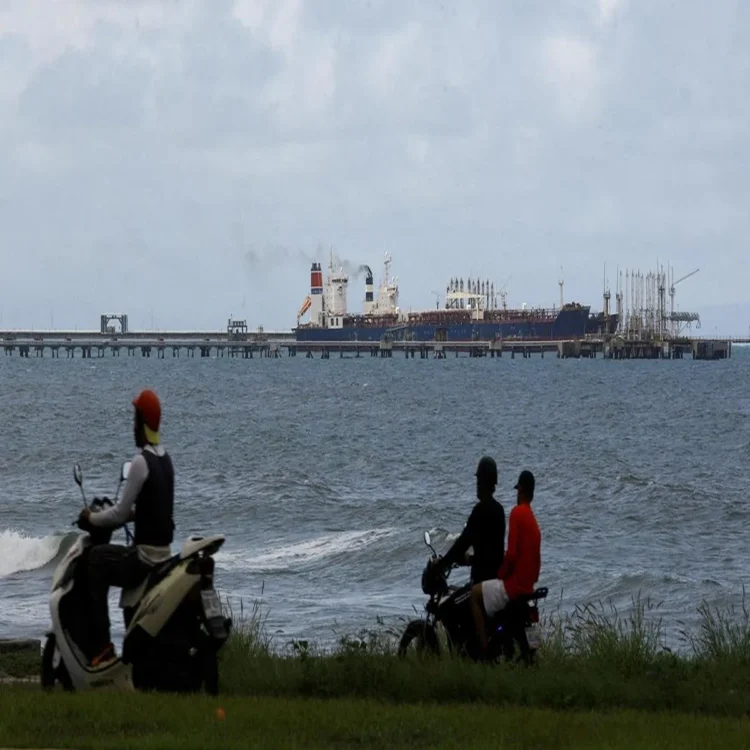
These permitted activities include the lifting, export, sale, storage, marketing, purchase, and transportation of crude oil and petroleum products originating from Venezuela. The framework also covers logistical services necessary for these operations, such as shipping arrangements, insurance, and port-related services linked to crude exports.
US authorities clarified that Venezuelan-origin oil refers to crude oil and petroleum products that are extracted, processed, or exported from Venezuela.
Fertilizer Exports Included in New Framework
Another notable aspect of the updated licenses is the inclusion of petrochemical products, particularly fertilizers and related chemical inputs. The changes now allow fertilizer exports from Venezuela directly to the United States, a move aimed at supporting agricultural production.
The Treasury Department stated that expanding access to fertilizer supplies would benefit American farmers by strengthening availability of key agricultural inputs. Fertilizers play an essential role in maintaining crop yields and ensuring stable food production.
Scope for Future Investment Discussions
The revised regulatory environment also creates space for companies to explore potential investments in Venezuela’s energy sector. A separate license allows firms to negotiate conditional agreements involving projects in oil, natural gas, petrochemicals, and electricity infrastructure.
However, officials emphasized that while negotiations can begin under this license, any actual implementation of such agreements would still require additional approval from US authorities. This approach allows companies to prepare for possible investments while maintaining oversight under existing sanctions policies.
Potential Impact on Global Fertilizer Supply
The policy change is being closely followed by countries that depend heavily on imported fertilizers. India, for example, is among the world’s largest fertilizer consumers and relies significantly on imports to meet domestic demand.
India purchases substantial quantities of urea, phosphates, and potash-based fertilizers to sustain its agricultural sector. Any improvement in global fertilizer availability could help moderate international prices, potentially easing pressure on both farmers and government subsidy programmes.
Venezuela’s Energy Sector Challenges
Despite possessing some of the largest proven oil reserves in the world, Venezuela’s energy industry has experienced a dramatic decline over the past decade. Years of economic mismanagement, international sanctions, and aging infrastructure have significantly reduced the country’s production capacity.
The latest regulatory adjustments from the United States appear aimed at encouraging gradual recovery in Venezuela’s energy output while helping maintain reliable global supply chains for oil and fertilizer products.
Market analysts say the long-term impact will depend on how quickly Venezuela’s industry can rebuild production capacity and whether additional investment materializes in the coming years.