
IranConflict – Sena UBT Editorial Sparks Debate Over Khamenei Death
IranConflict – The Shiv Sena (UBT) on Monday issued a strongly worded editorial reflecting on the reported killing of Iran’s Supreme Leader, Ayatollah Ali Khamenei, during coordinated military strikes attributed to the United States and Israel. The party described his death as an example of defiance, arguing that a true leader does not yield under pressure but stands firm even in the face of overwhelming force.
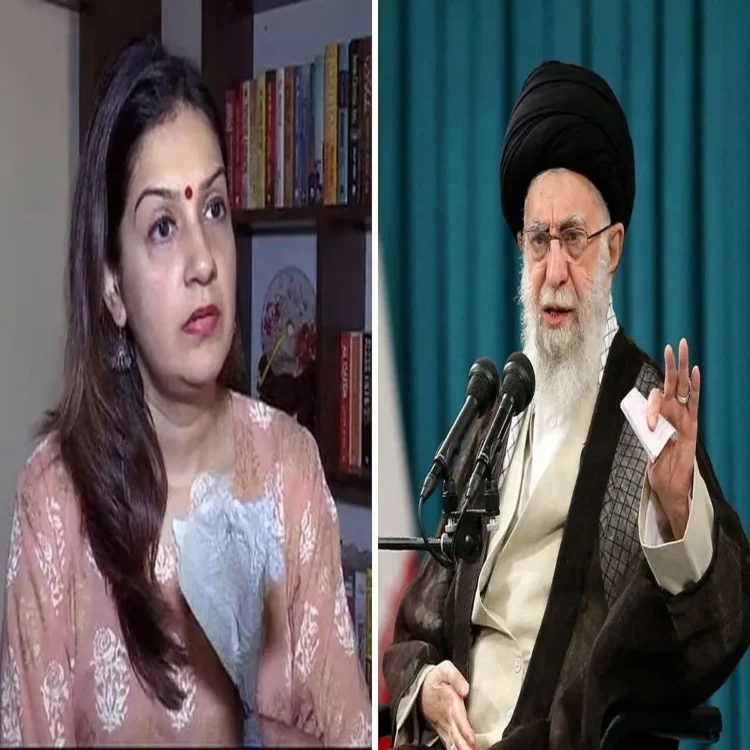
Editorial Frames Khamenei as Defiant Leader
In its mouthpiece, Saamana, the faction led by Uddhav Thackeray portrayed Khamenei as someone who refused to leave his homeland or seek protection abroad during escalating hostilities. The publication stated that he neither went into hiding nor attempted to negotiate for personal safety, choosing instead to remain in Iran despite the threat of continued airstrikes.
The editorial suggested that his decision to stay put during the conflict elevated him, in the eyes of supporters, beyond political office. It emphasized that his legacy would be tied to national loyalty rather than authority, describing his death as an act of sacrifice amid confrontation with powerful nations.
Reference to Past Statements and Martyrdom
The article also cited an anecdote attributed to Khamenei, recalling a conversation with a young boy eager to lay down his life for the country. According to the editorial, Khamenei had encouraged the child to pursue education and contribute as a scientist before contemplating sacrifice. The piece argued that, in remaining in Iran during military attacks, he ultimately embodied the very principle he once expressed — that service to the nation requires commitment and patience.
Supporters quoted in the editorial viewed his death, which reportedly occurred during the holy month of Ramzan, as symbolically significant. The party claimed that for many in Iran, the moment marked not just a political turning point but a deeply emotional chapter in the country’s modern history.
Allegations of Global Power Politics
The Sena UBT editorial went further, criticizing what it described as a pattern of intervention by Washington and Tel Aviv in sovereign nations. It alleged that actions often justified on grounds such as nuclear non-proliferation or promotion of democracy have, in several cases, coincided with strategic and economic interests.
The piece referred to past conflicts in the region, including the removal of leaders in Iraq and Libya, arguing that such developments followed a similar trajectory of international involvement. It also mentioned reports of civilian casualties during recent hostilities in Iran, claiming that strikes had continued despite indications that Tehran was open to discussions about its nuclear programme.
While these claims reflect the party’s position, there has been no independent confirmation within the editorial of the specific figures cited.
Questions Raised About India’s Response
Turning its focus to domestic politics, the editorial questioned the stance of the Indian government. It noted that Iran has historically taken positions supportive of India on international matters and has supplied oil at concessional rates in the past. Against this backdrop, the party expressed concern over what it termed a muted reaction from New Delhi during the current crisis.
Without naming policy details, the editorial implied that India’s leadership might be weighing diplomatic relationships with Western allies. It referenced the influence of former US President Donald Trump and Israeli Prime Minister Benjamin Netanyahu, suggesting that geopolitical considerations could be shaping public statements.
Although it stopped short of direct accusations, the article posed a rhetorical question about whether Prime Minister Narendra Modi would formally acknowledge Iran’s loss.
Divided International Reaction
The editorial observed that global reactions to the developments in Iran have been varied. Countries such as Russia and China were described as measured in their responses, with the piece characterizing some statements as restrained or symbolic rather than decisive.
As Iran reportedly begins a 40-day mourning period, the situation remains fluid. Diplomatic observers note that tensions in the region could have broader implications for energy markets, security alliances, and ongoing negotiations related to nuclear capabilities.
The Sena UBT’s comments have added another dimension to the debate within India, reflecting how international events continue to intersect with domestic political discourse.