
OilTrade – US Plans Texas Refining Hub for Venezuelan Crude Exports
OilTrade – US President Donald Trump announced on Friday that Venezuelan crude oil will be processed in Texas before being shipped to international markets, describing the arrangement as mutually beneficial and economically promising for both countries.
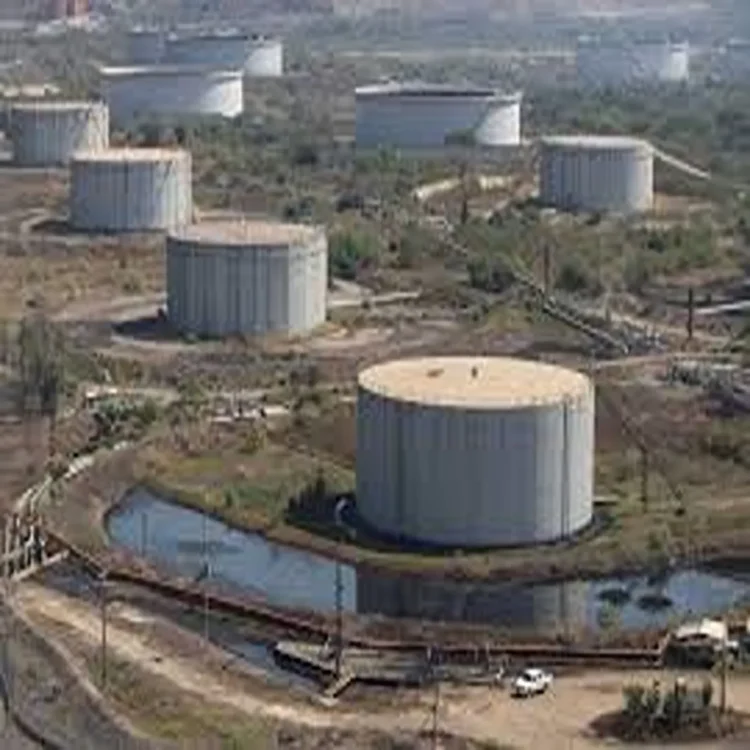
Speaking at an event in Texas, Trump outlined plans to refine Venezuela’s oil within the United States, particularly along the Gulf Coast, and distribute the finished petroleum products globally. He said a portion of the refined fuel would remain in the US market, while another share would be allocated to Venezuela. According to the President, the structure would help strengthen Venezuela’s struggling economy while also supporting American energy infrastructure.
Plan Centers on Texas Refining Capacity
Trump emphasized Texas as the focal point of the refining effort, pointing to its long-standing role as a hub for the US oil and gas industry. He said processing Venezuelan crude domestically would create commercial advantages, increase exports, and generate revenue streams for both sides.
At the gathering, Trump noted that hundreds of thousands of barrels of Venezuelan crude were already positioned for processing. He highlighted figures indicating that crude shipments had increased significantly in recent weeks, with tankers carrying large volumes awaiting refining. According to him, around 80 million barrels have been secured since the initiative began, calling the development an early sign of momentum in the new arrangement.
The President described his engagement with Venezuelan authorities as constructive, stating that the current government has been cooperative in discussions over oil exports and broader economic coordination.
Political Context After Leadership Change
The energy announcement follows major political developments in Venezuela earlier this year. On January 3, the United States carried out what officials described as a large-scale operation in the South American nation that resulted in the detention of former Venezuelan leader Nicolas Maduro and his wife, Cilia Flores.
Both were transported out of Venezuela as part of a joint effort involving US intelligence and federal law enforcement agencies. They were later indicted in the Southern District of New York on allegations related to drug trafficking and narco-terrorism conspiracies. Legal proceedings are ongoing in the United States.
In the aftermath of the operation, Washington signaled that it would oversee a transition period in Venezuela, citing the need for stability and access to key national resources, including oil reserves. The shift in leadership led to Delcy Rodriguez assuming the presidency following Maduro’s detention.
Economic Implications for Both Nations
Trump framed the oil refining plan as a step toward rebuilding Venezuela’s economy while reinforcing American energy exports. He argued that refining crude in Texas would allow for greater control over distribution and pricing, potentially strengthening US influence in global energy markets.
Venezuela holds some of the largest proven oil reserves in the world, but years of political instability, economic sanctions, and infrastructure decline have reduced its output. By leveraging US refining capacity, the administration appears to be aiming for a structured pathway to reintroduce Venezuelan crude into wider commercial circulation.
Energy analysts note that Texas refineries are equipped to handle heavy crude varieties similar to those produced in Venezuela, which could make the integration technically feasible. However, broader geopolitical and legal considerations are expected to shape the long-term viability of the arrangement.
For now, the administration maintains that the partnership is intended to support economic recovery in Venezuela while generating employment and export growth in the United States.