
Iran – US Considers Military Option Amid Escalating Tensions
Iran – The United States is weighing the possibility of launching military action against Iran as soon as this weekend, although President Donald Trump has not yet reached a final decision, according to a report by CNN. The deliberations come at a sensitive moment, as diplomatic engagement between Washington and Tehran continues alongside deepening unrest inside the Islamic Republic.
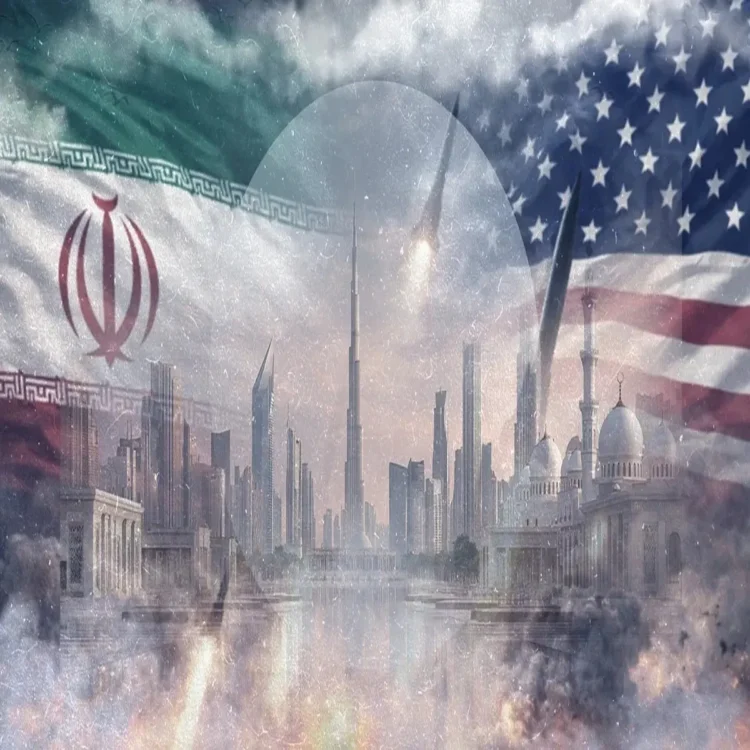
Diplomatic Talks Continue in Geneva
Delegations from the United States and Iran recently met in Geneva, Switzerland, in an effort to advance negotiations over a renewed nuclear agreement. The discussions, described as high-stakes, are part of broader efforts to ease tensions that have strained relations between the two countries for years.
White House Press Secretary Karoline Leavitt said on Wednesday that the talks had produced limited progress. However, she emphasized that significant differences remain unresolved.
“There was a little bit of progress made, but we are still far apart on some issues,” Leavitt told reporters. She added that Washington expects Iranian officials to return with more detailed proposals in the coming weeks. According to the White House, President Trump is closely monitoring the situation as diplomatic channels remain open.
Military Option Under Consideration
Despite ongoing negotiations, the administration has not ruled out the use of force. Leavitt stressed that diplomacy remains the president’s preferred course of action but indicated that military measures remain on the table if talks fail.
She cautioned Tehran that reaching an agreement would be in its best interest, underscoring Washington’s position that a negotiated settlement is the most viable path forward. The remarks suggest a dual-track approach: sustained diplomatic engagement combined with preparation for potential escalation.
Widespread Unrest Across Iran
The diplomatic tensions coincide with a period of significant internal upheaval in Iran. On December 28, 2025, widespread demonstrations erupted in several major cities, initially driven by mounting economic hardship. A steep decline in the value of the Iranian Rial and surging inflation triggered business closures in Tehran, led by shopkeepers and merchants.
What began as protests over rising prices and financial instability quickly expanded into a nationwide movement. Observers describe the unrest as one of the most serious domestic challenges faced by Iran’s leadership since the 1979 revolution.
As the demonstrations grew, slogans and public messaging shifted from economic grievances to broader political demands. Protesters called for systemic reforms, and in some instances directly criticized senior leadership figures.
Government Response and Communications Blackout
In response to the intensifying protests, Iranian authorities deployed security forces across affected regions. On January 8, 2026, the government implemented a nationwide shutdown of internet and telephone services. The move effectively limited communication within the country and restricted access to outside information.
Several international leaders characterized the communications blackout as an attempt to prevent documentation of the security response and to limit the spread of protest footage. Iranian officials have maintained that such measures were necessary to restore order and safeguard national stability.
International Reactions and Sanctions
The United States has voiced support for what it described as the Iranian people’s right to peaceful assembly. Washington also condemned the reported use of force against demonstrators and expanded visa restrictions targeting Iranian officials accused of involvement in human rights violations.
Tehran has rejected these criticisms, calling them unwarranted interference in domestic affairs. Iranian leaders have accused the United States, Israel and certain European governments of attempting to exploit the unrest to destabilize the country.
As diplomatic efforts continue in Geneva, the intersection of external negotiations and internal instability places additional pressure on both sides. With the possibility of military action under consideration and economic grievances fueling unrest within Iran, the coming weeks are expected to play a decisive role in shaping the trajectory of US-Iran relations.