
Infrastructure – New Multi-Level Parking Opens at Nehru Place Hub
Infrastructure – Chief Minister Rekha Gupta and Lieutenant Governor Vinay Kumar Saxena on Monday jointly inaugurated a newly constructed multi-level parking complex at Nehru Place, aiming to bring long-awaited relief to the area’s persistent traffic and parking woes. The six-storey structure has been designed to hold 650 cars and 352 two-wheelers simultaneously. According to officials, it can manage nearly 2,000 vehicles daily on a rotational basis.
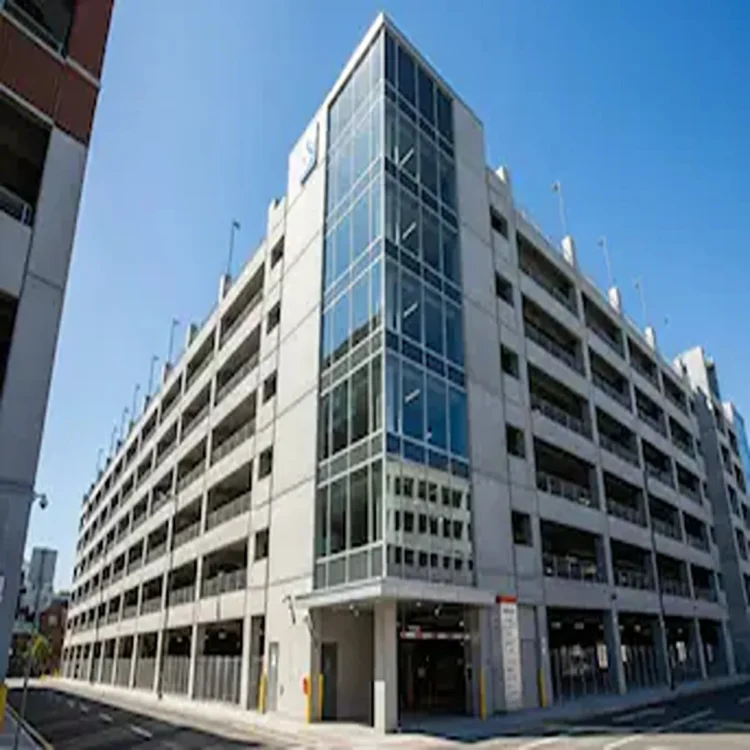
Major Upgrade for a Busy Commercial District
Nehru Place, widely regarded as one of Asia’s largest IT and electronics markets, draws more than 130,000 visitors every day. For years, traders, office-goers and shoppers have struggled with chaotic roadside parking and heavy congestion. The newly opened facility is expected to significantly reduce illegal parking and improve traffic flow in the surrounding streets.
Speaking at the inauguration, the Lieutenant Governor noted that the project represents a structured approach to urban planning in a high-footfall commercial zone. He said the initiative reflects a broader push towards organized infrastructure that supports both economic activity and environmental goals. He also appealed to residents and visitors to make full use of the parking complex to help ease pressure on public roads.
Project Developed Under Union Government Scheme
The parking facility has been built by the Delhi Development Authority under the Union government’s Urban Development Fund scheme. Officials described the project as part of a larger effort to modernize key commercial areas in the capital. By providing a designated, well-managed parking space, authorities aim to streamline vehicle movement and improve safety standards in and around Nehru Place.
Chief Minister Rekha Gupta said the completion of the project addresses one of Delhi’s most pressing urban challenges—traffic congestion caused by unregulated parking. She commended the Lieutenant Governor and the Delhi Development Authority for ensuring that the project was delivered within a short timeframe. According to her, coordinated efforts between agencies were crucial in bringing the plan to fruition.
Built with Emphasis on Safety and Technology
Beyond its size, the facility incorporates several structural and technological features intended to enhance safety and durability. Engineers have used Autoclaved Aerated Concrete blocks to improve earthquake resistance, along with reinforced shear walls to provide additional stability. Authorities said the use of Virtual Design and Construction technology has helped strengthen the building’s overall durability.
The complex is equipped with an automated ticketing system and digital display boards to guide drivers efficiently. A network of 148 CCTV cameras has been installed to monitor activity throughout the premises, while an integrated fire safety system adds another layer of protection. Special provisions have also been made to ensure easy access for persons with disabilities.
Focus on Sustainable Urban Development
In line with the city’s sustainability goals, the structure includes dedicated electric vehicle charging stations, encouraging the adoption of cleaner transport options. Energy-efficient lighting systems and advanced ventilation have been integrated to reduce power consumption. Vertical gardens have been developed within the premises to enhance the aesthetic appeal and contribute to better air quality.
Additionally, a rainwater harvesting system has been incorporated to support water conservation efforts. Officials said these measures collectively reflect a commitment to environmentally responsible urban development.
With the new facility now operational, authorities expect measurable improvements in traffic management at Nehru Place. While the long-term impact will depend on public participation and consistent enforcement, the project is being seen as a step forward in addressing congestion in one of the capital’s busiest commercial districts.