
Politics – Journalists Denounce Conspiracy Claims After Dinner Shooting Incident
Politics – The reaction from journalists and officials following a shooting incident at a high-profile Washington event has sparked a broader debate about misinformation and public trust.
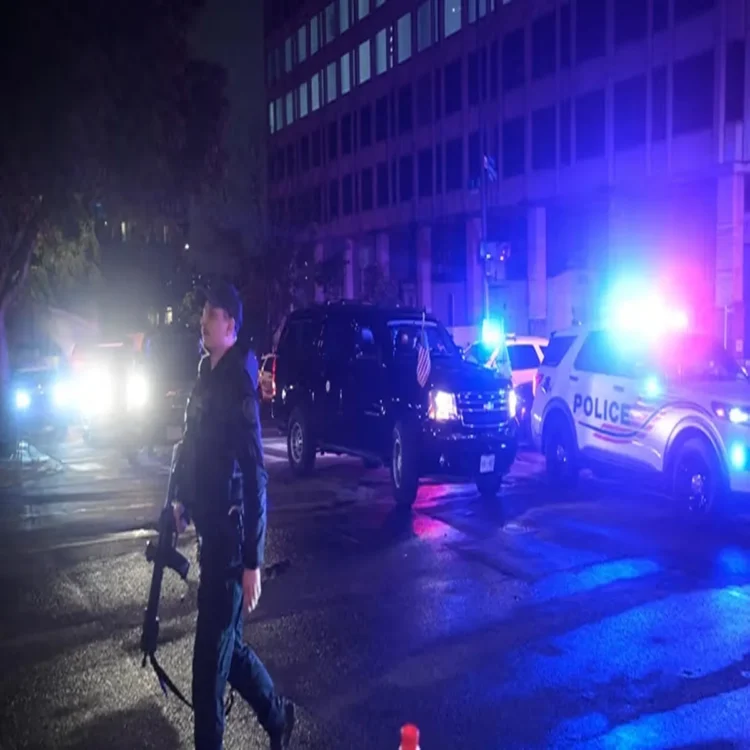
Prominent television anchors and reporters have strongly criticised claims circulating online that the shooting at the White House Correspondents’ Dinner was staged. Many described these narratives as troubling and indicative of a deeper issue surrounding declining public confidence in institutions.
Journalists Describe Chaos Inside the Venue
Speaking about the incident, Eugene Daniels said he was unsettled by the rapid spread of conspiracy theories. He explained that those present at the venue experienced genuine fear when gunshots were heard.
Daniels recalled that attendees had to quickly take cover and reach out to loved ones to assure them of their safety. He said witnessing such real distress being dismissed online as fabricated was both frustrating and alarming.
The event, held at the Washington Hilton, was interrupted abruptly as security personnel escorted Donald Trump, Melania Trump, and other dignitaries out of the hall following the incident.
Online Reactions Fuel Debate
In the hours after the shooting, several public commentators questioned the official narrative. Online personalities and former media figures suggested that the sequence of events appeared unusual or possibly orchestrated.
Among them, Hasan Piker shared comments online raising doubts, while Katie Phang publicly questioned the response following the incident. Author Don Winslow also expressed skepticism about the reports.
These reactions quickly gained traction across social media platforms, intensifying discussions about credibility and transparency in high-profile incidents.
Media Voices Push Back
Journalists covering the story have rejected such claims, emphasizing the importance of verified information. Daniels reiterated that reporters present at the scene are committed to factual reporting and have no involvement in fabricating events.
Meanwhile, Jonathan Capehart noted that skepticism was not limited to one political group. He observed that doubts about the incident were emerging from individuals across the political spectrum.
Capehart suggested that the situation reflects a broader erosion of trust, where even firsthand accounts are increasingly questioned. According to him, this trend raises concerns about how information is consumed and interpreted in the current media landscape.
Suspect Identified by Authorities
Law enforcement agencies have identified the alleged suspect as Cole Allen, a 31-year-old from Torrance, California. Investigators believe he may have prepared written material outlining his intentions and possible targets linked to the Trump administration.
Officials confirmed that the suspect is currently in custody. Authorities are examining his digital footprint, including social media activity, to better understand his motivations and whether he acted alone.
Event’s Significance and Security Concerns
The White House Correspondents’ Dinner is an annual gathering that brings together journalists, government officials, and public figures. It is traditionally viewed as a platform celebrating press freedom and the role of journalism in a democratic society.
Given the presence of senior political leaders, the event is typically held under tight security. Despite these precautions, the recent incident has raised questions about safety measures at high-profile public gatherings.
Broader Implications for Public Trust
The controversy surrounding the shooting has highlighted the growing challenge of misinformation in the digital age. Journalists warn that unverified claims can quickly gain momentum, potentially undermining trust in credible reporting.
Media professionals continue to stress the importance of relying on confirmed facts rather than speculation, especially during unfolding events. They argue that responsible reporting remains essential to maintaining public confidence