
High-Stakes: AIMIM Makes a Strategic Urban Breakthrough in Mumbai’s BMC Election
High-Stakes: The Brihanmumbai Municipal Corporation election counting brought a significant political moment for Mumbai as the All India Majlis-e-Ittehadul Muslimeen marked an important urban victory in the city. During the ongoing vote count, AIMIM candidate Mehjabeen Atiq Ahmed Khan emerged victorious from Ward 134 in Byculla, a centrally located and politically sensitive constituency. This result has drawn attention because it signals the party’s growing relevance in Mumbai’s municipal politics, an arena traditionally dominated by larger regional and national players.
AIMIM’s Growing Presence in Central Mumbai
The win in Byculla is being viewed as more than just a single ward success. Ward 134 has long been considered a complex electoral zone due to its diverse population and history of closely fought contests. Mehjabeen Atiq Ahmed Khan’s victory highlights AIMIM’s ability to connect with urban voters and address local civic concerns effectively. Political observers note that this outcome could encourage the party to invest more resources in Mumbai’s local governance space, potentially reshaping future civic alliances.
For AIMIM, which has been steadily attempting to expand beyond its traditional strongholds, this success represents a symbolic milestone. It suggests that the party’s messaging and grassroots outreach are resonating in select urban pockets, especially where voters are seeking alternative voices in municipal administration.
Shiv Sena UBT and Other Key Results
While AIMIM celebrated its Byculla breakthrough, other major parties also recorded notable wins. Shiv Sena (UBT) candidate Ramakant Rahate secured a win from Ward 208 with 11,614 votes, reinforcing the party’s continued influence in certain areas of the city. As counting progressed across Mumbai, early trends reflected a highly competitive multi-cornered contest involving several political formations.
The BMC elections were held alongside polls for 28 other local bodies across Maharashtra, underlining the scale and importance of the exercise. Mumbai registered a voter turnout of 52.94 percent, making it the second-highest participation rate since 1992. This turnout figure indicates sustained public interest in civic governance, despite the complexity and intensity of urban elections.
Overall Trends and Alliance Performance
According to initial trends, the BJP-led Mahayuti alliance crossed the halfway mark, leading in 119 wards. In comparison, the Maha Vikas Aghadi was trailing with 71 seats, while other parties and independent candidates were ahead in 10 wards. With the BMC comprising 227 corporators, the majority mark stands at 114 seats, making every ward result politically significant.
So far, nine candidates have been officially declared winners. These include four from Shiv Sena, three from the BJP, one from the Congress, and one from AIMIM. Although the final picture is still evolving, these early results hint at a fragmented mandate and underline the importance of smaller parties and strategic wins like that of AIMIM in Byculla.
Why the BMC Election Matters
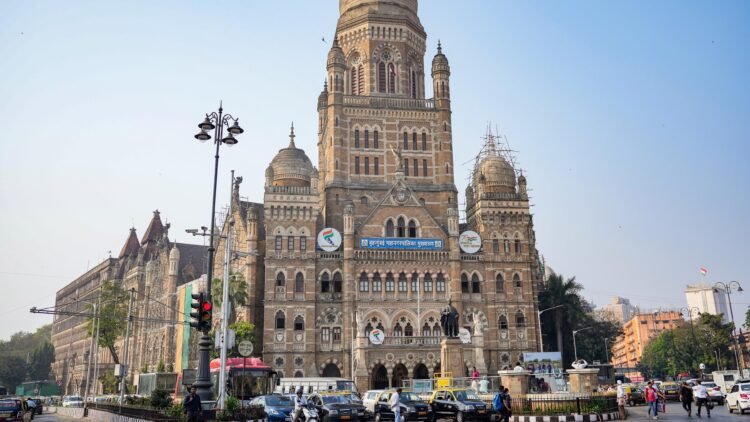
The Brihanmumbai Municipal Corporation is widely regarded as India’s richest civic body, with an annual budget exceeding seventy-four thousand crore rupees. Control over the BMC is not only about local governance but also about political prestige, financial oversight, and long-term influence in the country’s financial capital. As a result, the election is often seen as a bellwether for broader political trends in Maharashtra.
This year’s contest is particularly intense due to the direct face-off between the BJP-led Mahayuti and the Maha Vikas Aghadi. Adding another layer of interest is the presence of the Thackeray cousins, Uddhav Thackeray of Shiv Sena UBT and Raj Thackeray of the Maharashtra Navnirman Sena, both seeking to assert their relevance in Mumbai’s civic landscape.
Historical Context and Changing Dynamics
Looking back at the 2017 BMC elections provides useful context. At that time, the then-united Shiv Sena emerged as the single-largest party with 84 seats, narrowly ahead of the BJP’s 82. Congress secured 31 seats, followed by NCP with 9, MNS with 7, Samajwadi Party with 6, and AIMIM with 2 seats. Since then, political realignments, splits, and new alliances have altered Mumbai’s electoral dynamics significantly.
Against this backdrop, AIMIM’s latest win in Ward 134 stands out as both a symbolic and strategic achievement. It not only increases the party’s visibility but also positions it as a potential influencer in closely contested civic decisions.
Implications for Mumbai’s Civic Future
As vote counting continues, analysts believe that smaller but meaningful victories can play a crucial role in shaping the BMC’s final power structure. AIMIM’s success in Byculla may encourage similar parties to focus on localized governance issues rather than broad ideological narratives. For Mumbai’s residents, this could translate into more competitive civic politics and greater accountability at the ward level.
In the evolving political landscape of Mumbai, the Byculla result serves as a reminder that municipal elections can produce unexpected outcomes. AIMIM’s urban breakthrough underscores how focused campaigning and community engagement can yield results even in high-stakes, crowded contests.