
US President Donald Trump: Trump’s Repeated Claims on Resolving Global Conflicts Stir Diplomatic Debate
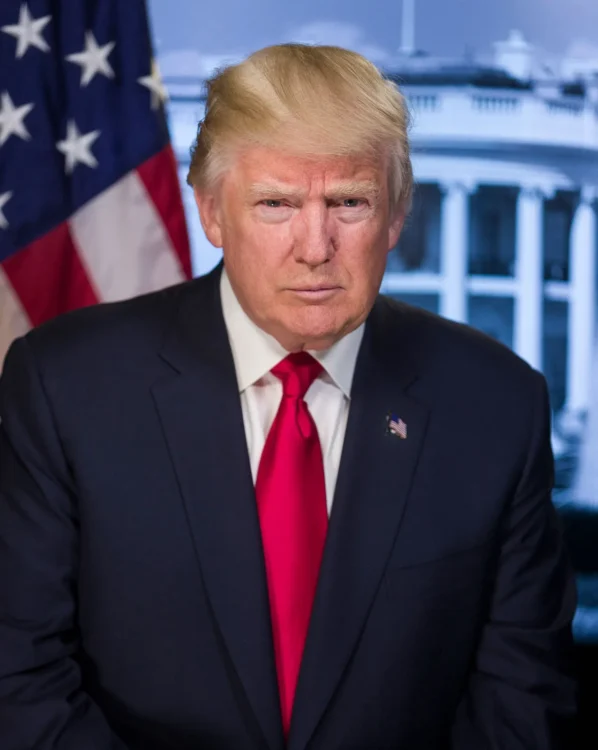
US President Donald Trump: once again asserted that he played a decisive role in resolving multiple international conflicts, including tensions between India and Pakistan, during a bilateral meeting with Israeli Prime Minister Benjamin Netanyahu. The remarks were made as the two leaders met at Trump’s Mar-a-Lago residence in Palm Beach, Florida. Trump claimed that within the first year of his second term, he had already managed to settle eight wars worldwide, presenting himself as a leader who relies on economic pressure and trade leverage to halt long-running disputes.
Claims of Ending Multiple Wars Through Economic Pressure
During the meeting, Trump explained that his approach to conflict resolution often involved the use of tariffs and trade restrictions rather than prolonged diplomatic negotiations. He cited the conflict between Armenia and Azerbaijan as an example, stating that he warned both sides of severe trade consequences if fighting continued. According to Trump, this strategy led to an immediate cessation of hostilities, ending what he described as decades of violence in a very short time.
He further suggested that other world leaders had struggled for years to achieve similar outcomes, while his administration succeeded rapidly by applying economic tools. Trump emphasized that despite these efforts, he had not received sufficient recognition for what he described as his peace-making achievements on the global stage.
Assertion of Role in India-Pakistan Tensions
Among the conflicts Trump mentioned, his claim regarding India and Pakistan attracted particular attention. He stated that his intervention helped stop hostilities between the two nuclear-armed South Asian neighbors. According to Trump, the use of trade-related pressure and firm warnings played a critical role in de-escalating the situation.
Trump has reiterated this assertion numerous times since mid-May, often highlighting it during meetings with international leaders and while traveling abroad. He maintains that diplomatic engagement facilitated by Washington led to an agreement that prevented further escalation and restored calm in the region.
Repetition of the Claim Across Public Platforms
Since announcing on social media that India and Pakistan had agreed to a full and immediate ceasefire following what he described as intense overnight discussions, Trump has repeatedly referenced this outcome. Reports indicate that he has made the claim more than seventy times, portraying it as a significant foreign policy success of his administration.
By consistently highlighting this narrative, Trump appears keen to frame his leadership style as results-driven and unconventional, relying on direct pressure and swift decision-making rather than lengthy diplomatic processes.
India’s Firm Rejection of Third-Party Mediation
India, however, has consistently rejected Trump’s assertions of external mediation. Indian officials have maintained that there was no involvement of any third party in the de-escalation process. According to India’s position, the sequence of events unfolded as a direct response to security developments on the ground rather than international intervention.
India launched a military operation on May 7 targeting terror infrastructure located in Pakistan and Pakistan-administered Kashmir. This action was taken in retaliation for a deadly attack in Pahalgam on April 22, which resulted in the deaths of 26 civilians. Following four days of intense cross-border drone and missile exchanges, both countries reached an understanding on May 10 to halt further military action.
Broader Implications for Global Diplomacy
Trump’s repeated claims have sparked debate among diplomats and analysts about the nature of modern conflict resolution and the role of major powers in regional disputes. While economic leverage can be a powerful tool, critics argue that oversimplifying complex geopolitical issues risks misrepresenting the realities faced by countries directly involved.
The differing narratives also highlight the challenges of international diplomacy, where political messaging and domestic audiences often shape how events are portrayed. As global tensions continue to evolve, such claims are likely to remain a subject of scrutiny and discussion within diplomatic circles.