
Odisha Weather: Cold Wave Intensifies Across Odisha as Dense Fog Disrupts Daily Life
Odisha Weather: Severe cold wave conditions continue to dominate large parts of Odisha, bringing unusually low temperatures and persistent fog that is affecting normal life across the state. Minimum temperatures have remained consistently low, with several regions experiencing chilling nights and cold mornings. According to weather assessments, there is no immediate relief in sight, and similar conditions are expected to continue until the end of the year. The combination of cold air and dense fog has increased discomfort for residents and posed challenges for transportation and daily routines.
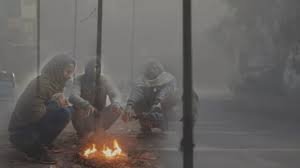
Current Weather Situation in Odisha
Over the past 24 hours, more than ten cities in Odisha recorded minimum temperatures below 10 degrees Celsius. Such widespread cold conditions are uncommon for many parts of the state and indicate the intensity of the ongoing cold wave. Weather patterns suggest that southern and western Odisha are facing the most severe impact, with prolonged cold nights and reduced daytime warmth. Morning fog has become a regular feature, lowering visibility and adding to the difficulties faced by commuters.
Coldest Locations and Temperature Records
Among all districts, Kandhamal emerged as the coldest region in the state during the last 24-hour period. G Udayagiri recorded a minimum temperature of 3.5 degrees Celsius, the lowest recorded in Odisha during this phase of the cold wave. Nearby locations such as Daringbadi and Phulbani also witnessed harsh conditions, with minimum temperatures hovering around 6 degrees Celsius. These hill and forested regions are particularly vulnerable to sharp temperature drops due to their geographical features.
Unusual Cold in Western Odisha
Western Odisha has also experienced notable cold conditions this season. Jharsuguda recorded a minimum night temperature of 6.5 degrees Celsius, which stands out as the fourth lowest temperature observed in the district during December. More significantly, this temperature is the lowest minimum recorded in the past 15 years, highlighting the unusual severity of the current winter spell. Such extreme cold has raised concerns among residents, especially farmers and daily wage workers who are directly exposed to outdoor conditions.
Dense Fog and Its Impact on Visibility
Dense fog is expected to persist during the early morning hours in several districts, including Sundargarh, Sambalpur, Angul, Dhenkanal, Kalahandi, Kandhamal, and Nayagarh, for the next five days. Other districts may also experience foggy conditions intermittently. Reduced visibility has already affected traffic movement on national highways as well as rural roads. Slow-moving vehicles, delayed public transport, and increased risk of road accidents have become common concerns during early hours.
Effect on Daily Life and Activities
The ongoing cold wave and fog have disrupted daily activities across Odisha. People are finding it difficult to start their day early due to biting cold and poor visibility. Schools, markets, and offices are witnessing delayed attendance in many areas. In rural regions, agricultural work has slowed down, while urban areas are seeing increased demand for winter clothing and heating appliances. Health experts have also advised extra caution for children, elderly people, and those with respiratory conditions.
Weather Outlook Until the New Year
Weather authorities have indicated that there will be no major change in minimum temperatures across Odisha until December 31. Cold nights are expected to continue in most districts, keeping winter conditions intense. However, after the New Year, there is a possibility of a slight rise in night temperatures by around 2 to 3 degrees Celsius. This change will largely depend on shifts in wind direction and atmospheric circulation patterns, which could gradually bring some relief.
Preparedness and Precautionary Measures
Residents are advised to stay updated with local weather forecasts and take necessary precautions during early morning and late-night hours. Avoiding unnecessary travel during dense fog, wearing adequate warm clothing, and maintaining proper health care routines can help reduce the impact of extreme cold. Authorities are also monitoring the situation closely to manage traffic and ensure public safety during this prolonged cold spell.