
Transport – Delhi to Dehradun Expressway Set to Transform Western UP Economy
Transport – The newly opened Delhi–Dehradun expressway is expected to significantly cut travel time between the two cities while opening up fresh economic opportunities across western Uttar Pradesh.
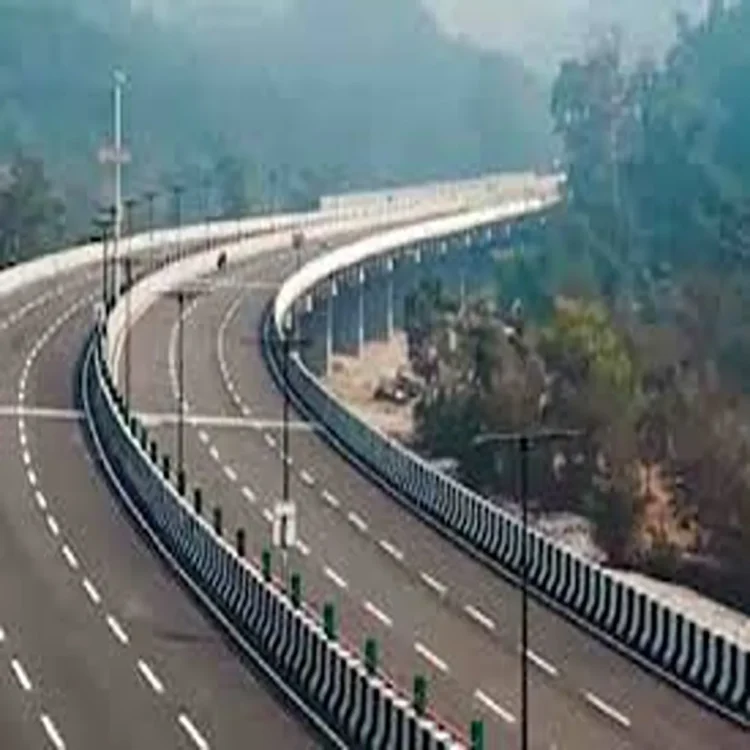
The high-speed corridor reduces the journey between Delhi and Dehradun from nearly seven hours to about two and a half hours, offering a major relief to commuters and transporters. Beyond improved travel efficiency, the project is being seen as a catalyst for economic activity in the regions it passes through, especially in Uttar Pradesh, which hosts a major portion of the route.
Major Share of Expressway Passes Through Uttar Pradesh
Out of the total 212-kilometre stretch, around 135 kilometres lie within Uttar Pradesh, accounting for nearly two-thirds of the entire project. Developed over four years at an estimated cost of Rs 12,000 crore, the six-lane, access-controlled expressway is designed to support high-speed and uninterrupted travel.
The route begins near Akshardham in Delhi and enters Uttar Pradesh through Loni in Ghaziabad district. Authorities have kept the first 18 kilometres toll-free to ease local commuting. The expressway also connects with the Eastern Peripheral Expressway at Mandola, strengthening the region’s road network.
Improved Connectivity Across Key Districts
Within Uttar Pradesh, the expressway runs through Ghaziabad, Baghpat, Shamli, and Saharanpur. Among these, Baghpat and Saharanpur have the longest stretches, each covering approximately 45 to 50 kilometres.
Baghpat is expected to witness rapid development due to the greenfield nature of the project in the district. New infrastructure is likely to encourage the growth of warehouses, logistics centres, and real estate projects. Interchange points at locations such as Khekra and Baraut are set to enhance access for nearby towns and villages.
In Shamli, where the expressway covers about 35 to 40 kilometres, its proximity to the Haryana border is expected to boost regional trade and mobility. Improved connectivity here could strengthen links with neighbouring states.
Economic Potential and Industrial Growth
Officials believe the expressway will help address long-standing connectivity gaps while encouraging investments in multiple sectors. Districts that previously saw limited industrial development are now expected to attract businesses in logistics, manufacturing, and agro-processing.
The corridor is also expected to benefit farmers by improving access to major markets in Delhi and the National Capital Region. Faster transport could help reduce spoilage of perishable goods and improve price realisation for agricultural produce.
Designed for Smooth and High-Speed Travel
The expressway has been built to bypass congested routes and ensure seamless movement. It includes 113 underpasses, five railway overbridges, 62 bus shelters, and 16 entry and exit points. These features are aimed at maintaining consistent traffic flow and reducing delays.
The project is being viewed not just as a transport upgrade but as a long-term economic corridor that could reshape development patterns across western Uttar Pradesh.
Upcoming Ganga Expressway Announcement
In a related development, Uttar Pradesh Chief Minister Yogi Adityanath has announced that the 594-kilometre Ganga Expressway, connecting Meerut to Prayagraj, is expected to be inaugurated soon. The project is anticipated to further strengthen the state’s infrastructure network and improve connectivity across major regions.