
Constitution Amendment – Government May Reintroduce Bill on Top Office Holders
Constitution Amendment – The proposed 130th Constitution Amendment Bill, which seeks to introduce a mechanism for the removal of prime ministers and chief ministers held in judicial custody for an extended period, may return to Parliament soon. The Joint Parliamentary Committee examining the proposal is reportedly close to completing its review, raising the possibility that the government could move the bill during the upcoming Monsoon Session.
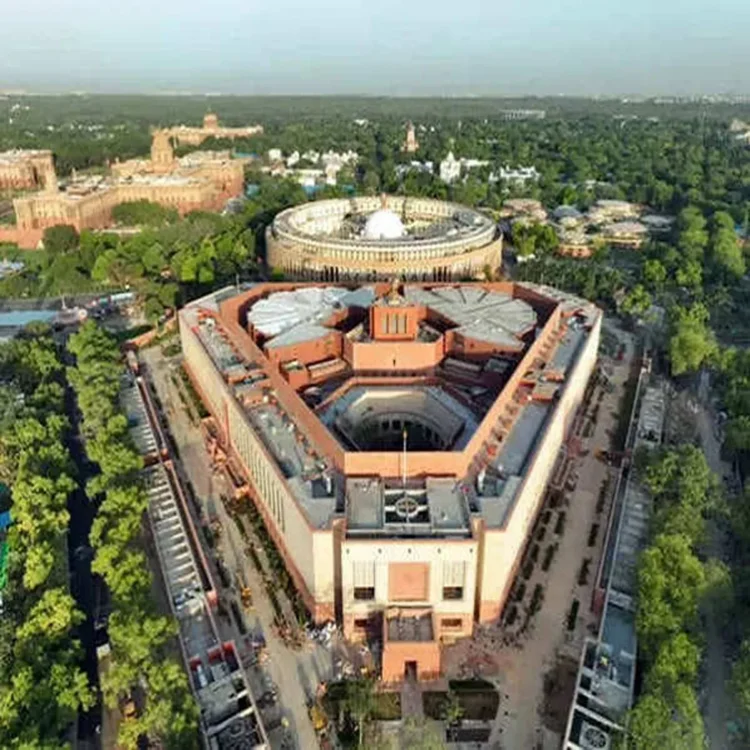
The Monsoon Session is expected to begin around July 20, with the start date likely to be announced before July 27. Government sources have indicated that the bill could be included among the key legislative matters scheduled for discussion.
Proposal Links Office Vacancy to Extended Judicial Custody
Under the draft amendment, the office of the prime minister or a chief minister would become vacant automatically if the person holding the post remains in judicial custody for more than 30 days and has not secured bail.
The government has argued that the proposal is aimed at improving accountability in public life. It has maintained that people occupying the country’s highest constitutional positions should continue to enjoy public trust and should not remain in office while facing prolonged detention.
The proposed provision is also expected to apply to ministers, making it a broader measure concerning executive office holders at both the Union and state levels.
Opposition Raises Constitutional Concerns
Opposition parties have strongly questioned the proposal, saying it could alter established constitutional safeguards. Their main concern is that an elected leader may lose office before a court has completed the trial or delivered a final verdict.
Several opposition leaders have pointed to the principle that an accused person is presumed innocent until proven guilty. They have argued that judicial custody alone should not become the basis for removing a prime minister, chief minister or minister from office.
Critics have also said the amendment may have political implications, especially in cases involving high-profile investigations. They believe that any change affecting elected governments must be examined carefully to ensure it cannot be misused.
Joint Parliamentary Committee Nears Report Completion
The bill was sent to a 31-member Joint Parliamentary Committee for detailed scrutiny after it was introduced last year. The panel is chaired by BJP MP Aprajita Sarangi, a former IAS officer.
The committee is expected to finalise and submit its report before the Monsoon Session begins. Once the report is presented, the government may decide whether to bring the legislation before the Lok Sabha for debate and possible passage.
The government has defended the committee process and said the panel was formed to examine the proposal in detail before Parliament takes a final view.
Congress-Led Parties Stay Away From Panel
The committee’s work has been marked by an opposition boycott. The Congress, along with the Trinamool Congress, Samajwadi Party, DMK and Left parties, chose not to participate in the JPC proceedings.
These parties said their presence in the committee would not serve a meaningful purpose, given their objections to the bill and the manner in which the process was being conducted.
The ruling National Democratic Alliance rejected the criticism and said the committee had carried out its assigned role. NDA leaders have described the amendment as a necessary step towards strengthening standards of conduct among those holding constitutional office.
Limited Legislative Agenda Expected During Session
Besides the proposed amendment concerning the prime minister, chief ministers and ministers, the government is expected to focus on a limited set of major bills during the Monsoon Session.
The Women’s Reservation Bill is also likely to receive attention as part of the government’s legislative agenda. The reported focus on a smaller number of high-profile proposals suggests that the session could see intense debate on constitutional and policy issues.
While several major opposition parties boycotted the JPC, some other parties continued to participate. These included the NCP (Sharad Pawar), AIMIM, BJD, YSRCP and Shiromani Akali Dal.