
Religious Sites – Uttar Pradesh Temple-Mosque Disputes Unlikely to See Out-of-Court Resolution
Religious Sites – Parties involved in three of Uttar Pradesh’s most closely watched religious site disputes have indicated that they are not inclined to resolve the matters through mediation, preferring instead to let the courts decide the legal questions involved.
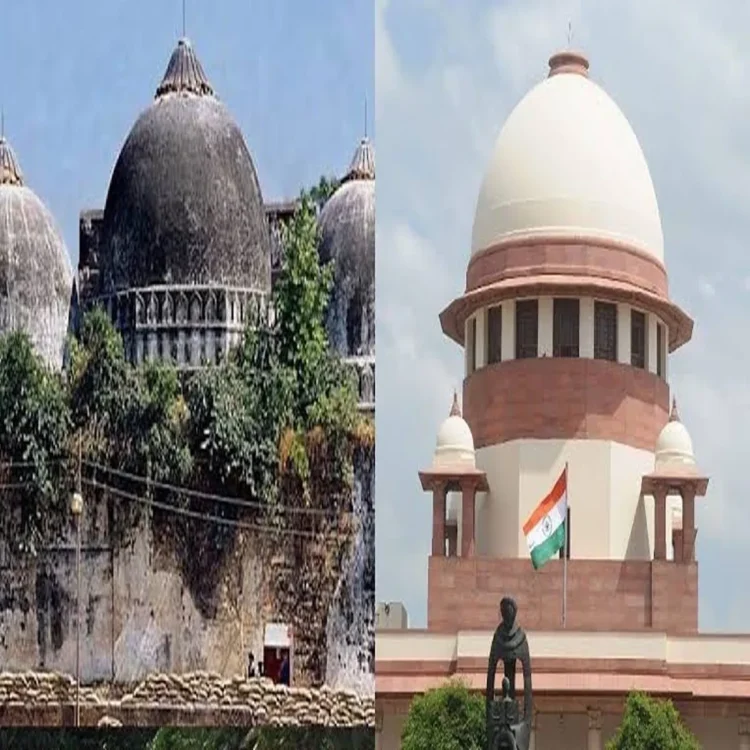
The ongoing disputes concerning the Gyanvapi Mosque in Varanasi, the Sri Krishna Janmabhoomi-Shahi Eidgah complex in Mathura, and the Shahi Jama Masjid in Sambhal are unlikely to move towards an out-of-court settlement despite a recent initiative aimed at encouraging negotiated resolutions. Representatives from both sides in these cases have maintained that the issues involve significant legal and constitutional questions that should be determined through the judicial process rather than mediation.
Supreme Court Initiative Encourages Voluntary Settlements
The Supreme Court has proposed that eligible pending matters be taken up during a special Lok Adalat scheduled from August 21 to August 23 under the Samadhan Samaroh 2026 programme. Announced earlier this year, the initiative is intended to promote voluntary settlements in pending Supreme Court cases through mediation before specially constituted Lok Adalat benches. The programme also includes an online platform and a dedicated coordination centre designed to assist litigants willing to pursue negotiated settlements.
However, legal representatives connected with the three religious site disputes have expressed reservations about participating in the process. Lawyers representing Hindu petitioners have argued that these matters involve complex legal issues and historical claims that cannot be effectively resolved through mediation. On the other side, mosque management committees have also stated that a negotiated settlement is not considered an appropriate course for these cases.
Previous Mediation in Ayodhya Cited as Reference
The present developments have drawn attention to the Supreme Court’s earlier decision in the Ayodhya land dispute, where the court had directed a court-monitored mediation process in 2019 before ultimately delivering its landmark judgment. Although that mediation did not produce a final settlement between the parties, it formed an important stage in the legal proceedings before the case was decided by the Constitution Bench.
Unlike the Ayodhya matter, stakeholders in the current disputes have shown little willingness to engage in similar discussions, making judicial adjudication appear to be the preferred path forward.
Gyanvapi Case Remains Before Courts
The dispute surrounding the Gyanvapi Mosque revolves around petitions filed by Hindu litigants claiming that the mosque was built over the remains of the ancient Kashi Vishwanath temple during the Mughal period. Various petitions seek permission to conduct religious worship within parts of the mosque complex while also raising questions regarding the applicability of the Places of Worship Act, 1991.
The Anjuman Intezamia Masjid Committee has consistently opposed these claims, maintaining that the mosque is protected under the provisions of the 1991 legislation, which preserves the religious character of places of worship as they existed at the time of India’s Independence.
Sambhal Survey Continues to Draw Attention
The Sambhal dispute gained national attention after a civil court ordered a survey of the Shahi Jama Masjid following claims from Hindu petitioners that the mosque stands on the site of the historic Harihar Temple. The court-directed survey became the centre of widespread unrest in November last year, with violent clashes resulting in multiple fatalities and injuries.
Legal proceedings in the matter continue as courts examine the competing claims presented by both sides.
Mathura Dispute Also Awaits Judicial Decision
In Mathura, the Sri Krishna Janmabhoomi-Shahi Eidgah dispute concerns petitions asserting that the mosque occupies land traditionally associated with the birthplace of Lord Krishna. Hindu petitioners have sought legal recognition of these claims, while the mosque committee has rejected the allegations and relied on the protections provided under the Places of Worship Act, 1991.
With both sides standing firm on their respective legal positions, the dispute remains pending before the courts, alongside the Gyanvapi and Sambhal matters.