
Politics – Rohini Ghawari Signals Entry Into Uttar Pradesh Political Arena
Politics – A new chapter may soon unfold in Uttar Pradesh politics as Dr Rohini Ghawari, once associated with Bhim Army chief and Nagina MP Chandrashekhar Azad, prepares to step into active political life. Currently residing in Switzerland, Ghawari is expected to return to India in June, with plans already underway to establish her presence in the state’s evolving political space.
Engagement With Samajwadi Party Leadership
Sources indicate that Ghawari has been in discussions with senior leaders of the Samajwadi Party regarding her potential role. Her focus appears to be on strengthening outreach among non-Jatav Dalit communities, particularly the Valmiki and Pasi groups, which are considered crucial in several constituencies across Uttar Pradesh. Her strategy reportedly includes organizing nearly 200 small and medium-scale meetings across districts to build grassroots connections.
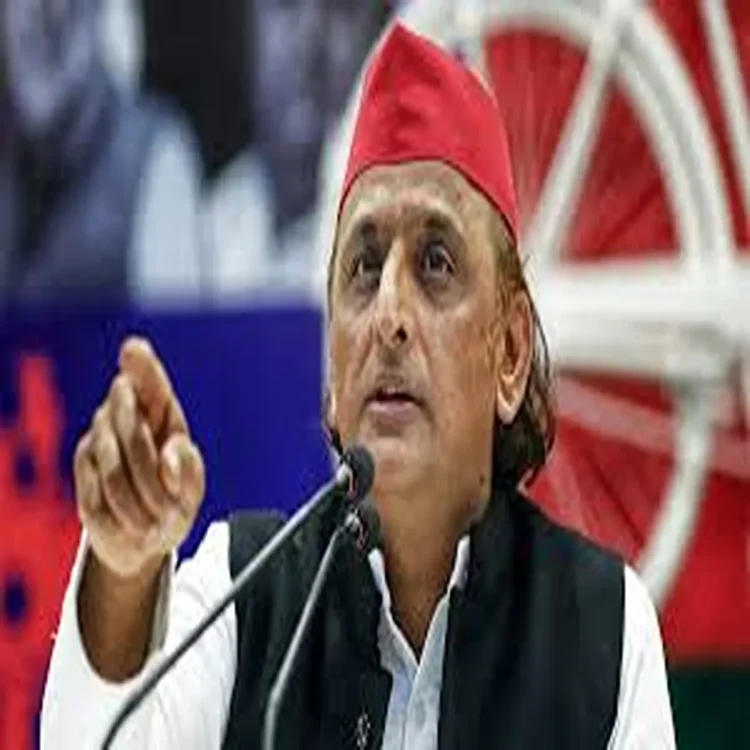
These efforts may culminate in a large public gathering, likely to be held in either Agra or Lucknow. The event is expected to feature Samajwadi Party chief Akhilesh Yadav as the main speaker, signaling a possible formal alignment.
Personal Allegations Add Political Undertone
Ghawari’s political entry also carries a personal dimension. She has, for some time, publicly accused Chandrashekhar Azad of betrayal and alleged misconduct during their past association. While these claims remain part of a separate narrative, they have added a layer of attention to her political move, drawing interest from both supporters and observers of state politics.
Mayawati Criticizes Opposition Parties
Meanwhile, Bahujan Samaj Party chief Mayawati has targeted both the Congress and the Samajwadi Party over their stance on the Women’s Reservation Bill. Following the bill’s failure to pass in Parliament, she accused both parties of inconsistency in their approach toward the welfare of Scheduled Castes, Scheduled Tribes, Other Backward Classes, and minority communities.
In her remarks shared on social media platform X, Mayawati described the two parties as frequently changing their positions. She argued that if they were genuinely committed to social justice, they should have supported provisions ensuring adequate representation for marginalized groups within the proposed legislation.
Demand for Separate Reservation Provisions
Although Mayawati welcomed the broader idea of the Women’s Reservation Bill, she reiterated her demand for specific quotas within it for historically disadvantaged communities. She also expressed support for the government’s decision to base future delimitation exercises on data from the 2011 Census, describing it as a practical step.
Exchange Between Smriti Irani and Akhilesh Yadav
Political tensions were also visible in Parliament, where Union Minister Smriti Irani and Samajwadi Party leader Akhilesh Yadav exchanged sharp remarks. The disagreement began when Yadav made a comment referring to Irani in a manner linked to her past television role, implying electoral defeat.
Irani responded by challenging Yadav to contest elections outside his traditional political base. She suggested that he should demonstrate broader electoral appeal by competing from a constituency such as Gorakhpur, rather than relying on established family strongholds.
Debate Over Reservation Policies Continues
The exchange extended to differing views on reservation policies. Irani emphasized that the Constitution does not allow reservations based on religion, responding to Yadav’s position on the Women’s Reservation Bill. The debate reflects ongoing disagreements among political leaders on how representation policies should be structured.
Changing Dynamics Ahead of Elections
These developments highlight the shifting alliances, emerging leaders, and continuing ideological debates that are shaping the political climate in Uttar Pradesh. With new entrants like Ghawari preparing to test their influence and established leaders sharpening their positions, the state’s political landscape is expected to witness heightened activity in the coming months.