
Politics – Akhilesh Yadav Questions Poll Environment and Security Presence in Bengal
Politics – Samajwadi Party president Akhilesh Yadav on Thursday raised serious concerns over the conduct of elections in West Bengal, alleging that voters cast their ballots under pressure and accusing the Bharatiya Janata Party (BJP) of weakening democratic institutions during the poll process.
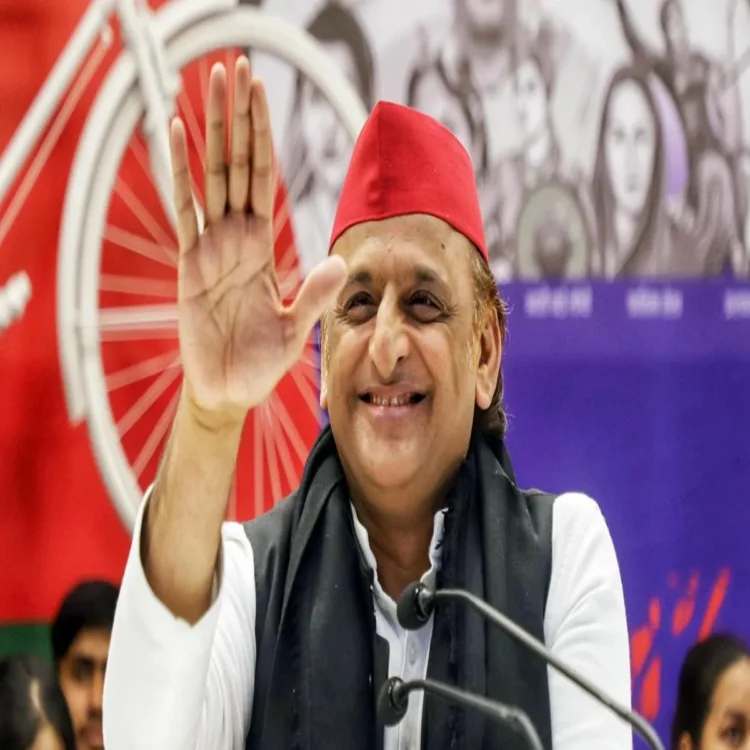
Allegations Over Voting Atmosphere
Speaking to reporters in Kolkata, the Samajwadi Party chief claimed that the electoral atmosphere in West Bengal was heavily influenced by fear and administrative pressure. According to Yadav, the large deployment of central security forces during the elections created an environment where many voters felt compelled rather than free while exercising their democratic rights.
He argued that democracy functions effectively only when citizens can vote independently and without intimidation. Yadav alleged that the BJP’s political approach in Bengal had harmed democratic traditions and added that the party was uncomfortable with the growing influence of women leaders in politics.
Concerns About Violence During Elections
The former Uttar Pradesh chief minister also referred to reports of violence linked to the election period. He questioned who should be held responsible for incidents involving attacks on political workers and alleged damage to party offices.
Yadav mentioned cases in which workers affiliated with the Trinamool Congress (TMC) reportedly faced threats and violence. He also spoke about alleged incidents where party properties were targeted during the electoral process.
Raising questions about accountability, he asked whether the Election Commission or the Union Home Ministry should answer concerns related to security arrangements during polling. According to him, ensuring a peaceful and fair election is the responsibility of constitutional authorities overseeing the process.
Questions Over Central Force Deployment
A major part of Yadav’s criticism focused on the deployment of central security personnel in the state. He claimed that an unusually high number of forces had been stationed across West Bengal and described the arrangement as creating a “parallel structure” during the elections.
The SP leader stated that more than three lakh central personnel were reportedly deployed in the state. He argued that such a large security presence changed the normal administrative atmosphere during voting and affected public perception of the electoral process.
Yadav further alleged that a significant number of personnel assigned to election duty had come from states such as Uttar Pradesh and Bihar. He said he had received information suggesting that forces from border regions were also brought into Bengal for election-related responsibilities.
Remarks on Inter-State Election Duty
During his interaction with the media, Yadav also spoke about the broader practice of deploying security personnel from different states during elections. He noted that central forces are commonly transferred across regions depending on the election schedule.
Referring to future elections in Uttar Pradesh, he remarked that personnel from states including West Bengal, Assam, Nagaland, and Arunachal Pradesh could similarly be assigned election duties there. His comments appeared aimed at highlighting the scale and movement of security forces during major elections in India.
Political Reactions Likely to Continue
Yadav’s remarks are expected to add to the ongoing political debate surrounding election management and security arrangements in West Bengal. The state has often witnessed sharp political rivalry during elections, with opposition parties and ruling groups exchanging accusations over violence, voter intimidation, and administrative conduct.
The BJP has repeatedly defended the deployment of central forces in sensitive constituencies, saying such measures are necessary to ensure free and fair voting. Meanwhile, opposition leaders continue to question whether excessive security deployment influences the electoral atmosphere.
The Election Commission has not issued any immediate response to Yadav’s latest allegations. However, discussions around election transparency, voter confidence, and the role of security agencies remain central issues in India’s political landscape.