
Politics – Akhilesh Yadav Criticises PM Modi Over Women Reservation Speech
Politics – Samajwadi Party president Akhilesh Yadav on Sunday dismissed Prime Minister Narendra Modi’s recent address on women’s reservation as lacking substance, while reiterating that opposition parties are not against providing reservation for women in legislatures.
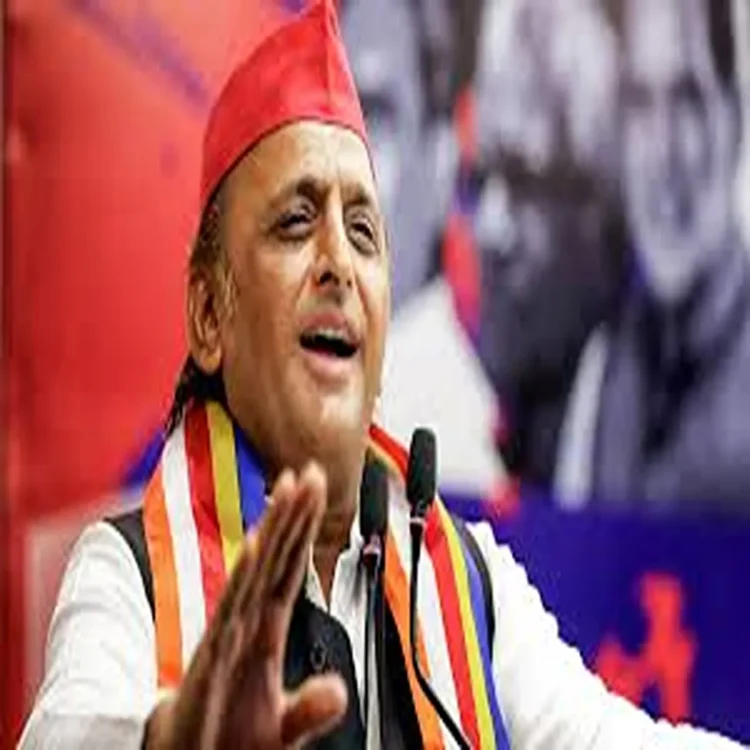
Speaking to reporters in Rewari, Yadav emphasized that there is broad political consensus in favour of women’s representation. However, he questioned the intent and delivery of the Prime Minister’s remarks, suggesting that the speech failed to meet public expectations or provide clarity on future steps.
Demand for Inclusive Reservation Framework
Yadav underlined that while supporting reservation for women, it is equally important to ensure representation for historically disadvantaged communities. He argued that women from Scheduled Castes (SC), Scheduled Tribes (ST), Other Backward Classes (OBC), and minority groups should also receive equitable consideration within the proposed framework.
According to him, recognising half of the population through reservation should not overlook internal diversity. He maintained that social justice requires a more inclusive model that reflects the realities of marginalised communities.
Remarks on Prime Minister’s Address
Referring to the Prime Minister’s speech, Yadav said many people, particularly in Uttar Pradesh, had anticipated a stronger political message. He noted that some expected an announcement or indication of future leadership representation within the ruling party, but those expectations were not fulfilled.
He described the address as disappointing, adding that while it raised hopes, it ultimately did not provide concrete commitments or a roadmap for implementation.
Political Exchange Over Constituency Challenge
Yadav also responded to comments made by a senior BJP leader who had challenged him to shift constituencies. In a light yet pointed remark, he said he would symbolically “rename” his Kannauj constituency as Gorakhpur, indicating his confidence in his political standing.
The exchange reflects the ongoing political rivalry between opposition leaders and the ruling party, especially as debates around representation and electoral strategies intensify.
Prime Minister’s Criticism of Opposition
Earlier, Prime Minister Narendra Modi had strongly criticised opposition parties for their stance on the Women’s Reservation Bill. In his address, he accused them of obstructing progress and undermining efforts to empower women politically.
He stated that the failure to pass the bill would be remembered by women voters as a significant setback. The Prime Minister also suggested that such actions could have long-term political consequences, as voters may respond to what he described as a disregard for women’s dignity.
Parliamentary Voting and Legislative Outcome
The controversy follows a key vote in the Lok Sabha on April 17, where the Constitution (One Hundred and Thirty-first Amendment) Bill was taken up alongside other legislative proposals. After a detailed debate, the bill received 298 votes in favour and 230 against, reflecting a divided house.
Opposition parties voted against the amendment, raising concerns over various aspects of the proposal. The disagreement highlights deeper political differences on how reservation policies should be structured and implemented.
Ongoing Debate on Representation
The issue of women’s reservation continues to remain a central topic in national politics. While there is general agreement on increasing women’s participation in governance, disagreements persist over the scope, structure, and inclusivity of such measures.
Yadav’s remarks add to the broader discussion, indicating that while the principle of reservation is widely supported, its execution remains contested. As political parties continue to debate the issue, the focus is likely to remain on balancing gender representation with social equity.