
FCRA – Akhilesh Yadav Questions BJP Over Foreign Funding Amendments Debate
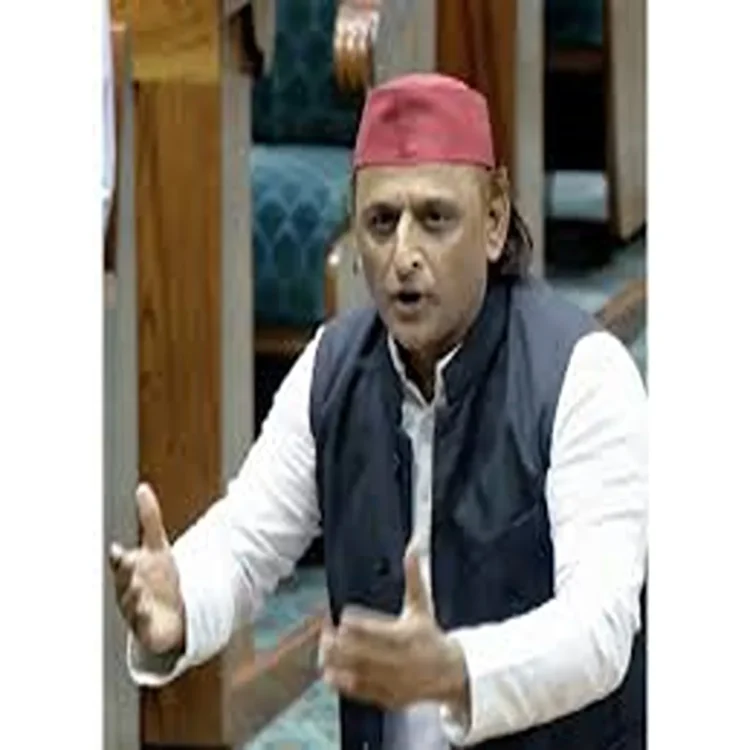
FCRA – Samajwadi Party chief Akhilesh Yadav on Wednesday sharply criticised the Bharatiya Janata Party (BJP) over the proposed amendments to the Foreign Contribution (Regulation) Act (FCRA), raising concerns about the government’s approach toward foreign funding and its impact on non-governmental organisations. He questioned the intent behind the amendment bill and called for clarity on several financial and legal issues before moving forward.
Concerns Over Foreign Funding and PM CARES
Yadav pointed to what he described as inconsistencies in the BJP’s stance on foreign contributions. He asked whether funds received from abroad in the PM CARES Fund would be returned or granted exemptions, particularly in terms of auditing standards. According to him, the government must first address its own financial practices before tightening regulations on NGOs.
He argued that transparency should apply uniformly, adding that selective scrutiny could raise questions about fairness and accountability. His remarks come as discussions around foreign funding have gained momentum following the introduction of the amendment bill.
Electoral Bonds and Legal Validity
The Samajwadi Party leader also brought up the issue of electoral bonds, which were previously declared invalid by the Supreme Court. He questioned how funds collected through such instruments could still be considered legitimate despite the court’s ruling.
This line of criticism reflects broader opposition concerns about political funding mechanisms and their compliance with legal standards. Yadav suggested that unresolved questions around electoral bonds weaken the government’s position when proposing stricter controls on other funding channels.
Allegations of Targeting NGOs
Yadav accused the BJP-led government of attempting to bring independent organisations under tighter control through legislative means. He described the proposed amendments as indicative of a centralised approach that could undermine the autonomy of NGOs.
According to him, many organisations working on social issues have demonstrated effectiveness and accountability, sometimes outperforming government efforts. He claimed that instead of supporting such initiatives, the government appears to be placing additional restrictions on them.
Yadav further alleged that the proposed law could enable increased oversight of NGO assets, raising concerns about potential misuse of authority. He warned that such measures might discourage independent organisations from operating freely.
Questions on Unregistered Entities and Religious Funding
In his remarks, Yadav also called for scrutiny of funds routed through unregistered organisations and those collected under religious activities. He stressed that financial transparency should extend across all sectors, not just registered NGOs.
He suggested that a comprehensive review mechanism should be put in place to ensure accountability across different types of organisations receiving funds. This, he said, would help maintain public trust while addressing concerns about misuse.
Broader Political Context
The criticism comes amid a wider political debate over the FCRA Amendment Bill, 2026, which was introduced in the Lok Sabha on March 25. The government has stated that the proposed changes are aimed at improving transparency and preventing misuse of foreign contributions, including cases linked to forced religious conversions.
However, opposition parties, including the Congress, have strongly opposed the bill. They have described it as excessive and restrictive, arguing that it could limit the functioning of civil society organisations and reduce their ability to operate independently.
Call for Accountability on Financial Outflows
Yadav also raised the issue of alleged illegal financial outflows from India. He questioned when action would be taken against individuals accused of moving large sums of money abroad and residing outside the country.
He emphasised that addressing such concerns should be a priority if the government is serious about financial integrity. According to him, focusing only on NGOs without addressing larger economic issues could create an imbalance in policy enforcement.
Political Implications Ahead
The remarks highlight growing tensions between the ruling party and opposition leaders over regulatory measures and governance approaches. Yadav concluded by expressing confidence that voters would respond to what he described as policies driven by favouritism and lack of transparency.
As the debate continues, the proposed amendments to the FCRA are expected to remain a key issue in Parliament, with both sides presenting contrasting views on regulation, accountability, and the role of civil society.