
WomenReservation – Parliament Set to Review Women’s Quota Law Amendments
WomenReservation – As Parliament prepares for a special three-day session, Lok Sabha Speaker Om Birla has expressed optimism that proposed amendments to the Women Reservation Act will receive unanimous support from all political parties. His remarks come at a time when discussions around increasing women’s participation in governance have gained renewed momentum.
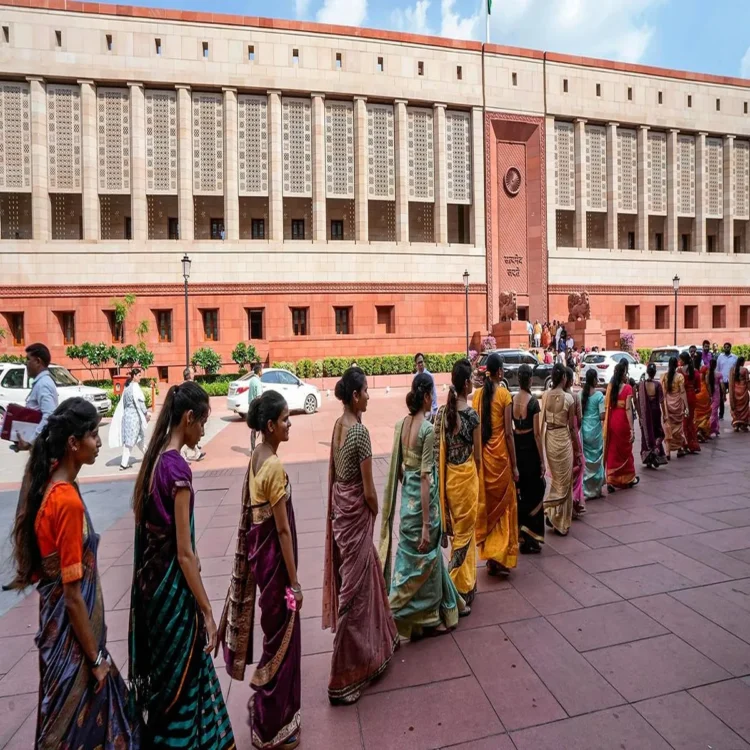
Push for Broader Consensus in Parliament
Speaking at the closing session of the Commonwealth Parliamentary Association India Region West Zone conference in Goa, Birla highlighted the importance of cooperation across party lines. He noted that the Women Reservation Act, also known as the Nari Shakti Vandan Adhiniyam, had earlier been passed with full support from all parties during the September 2023 session in the new Parliament building.
Given that precedent, he said there is strong reason to believe that the upcoming amendments will also be cleared without disagreement. According to Birla, such unity reflects a shared commitment to strengthening democratic representation and inclusivity.
Enhancing Women’s Role in Governance
Birla emphasized that greater participation of women in legislative bodies would lead to more balanced and sensitive policymaking. He pointed out that women leaders across various sectors have already demonstrated their ability to bring fresh perspectives and practical approaches to governance.
He added that increasing representation is not just about numbers, but about ensuring that policies better reflect the needs of society as a whole. In his view, women’s involvement can contribute to more people-focused governance and improved development outcomes.
Proposed Changes in Seat Allocation
The amendments under consideration are expected to significantly expand the number of seats in the Lok Sabha. As per the proposal, the total strength of the House could increase to 816 members, with 273 seats reserved for women.
This move is aimed at implementing the reservation more effectively while accommodating population growth and future delimitation requirements. If approved, the changes would mark a substantial shift in the composition of the lower house and could reshape political representation in the country.
Debate Over Special Session Timing
The announcement of the special session scheduled for April 16, 17, and 18 has also drawn reactions from opposition parties. Some leaders have questioned the timing and agenda of the session.
Responding to these concerns, Birla stated that it is within the government’s authority to propose session dates. He explained that, as per established procedure, the Business Advisory Committee—comprising representatives from all parties—will meet to discuss and finalize the agenda. This, he said, ensures that all voices are heard before proceedings begin.
Call for Maintaining Parliamentary Decorum
Alongside legislative matters, the Speaker also reiterated the importance of maintaining discipline within Parliament. He made it clear that the use of unparliamentary language, as well as the display of banners and placards, is strictly prohibited both inside the House and within the Parliament complex.
Birla noted that guidelines have already been issued, and members have been urged to adhere to parliamentary traditions. He stressed that debates should remain respectful and focused, reflecting the dignity of democratic institutions.
According to him, there is broad agreement among political parties on the need to uphold decorum. Efforts are being intensified to prevent disruptions, including sloganeering and the use of inappropriate language during proceedings.
Strengthening Democratic Practices
The upcoming session is expected to play a crucial role in shaping the future of women’s representation in Indian politics. With widespread support anticipated, the amendments to the Women Reservation Act could mark another significant step toward inclusive governance.
As discussions unfold, the focus will remain on achieving consensus while preserving the integrity and decorum of parliamentary functioning.