
Women Reservation Act – Supreme Court Seeks Centre’s Stand on Plea for Implementation Before 2029 Elections
Women Reservation Act –The Supreme Court has asked the Central Government to respond to a public interest petition requesting the implementation of the Women’s Reservation Act before the 2029 Lok Sabha elections, without waiting for the completion of a fresh population census and the delimitation exercise.
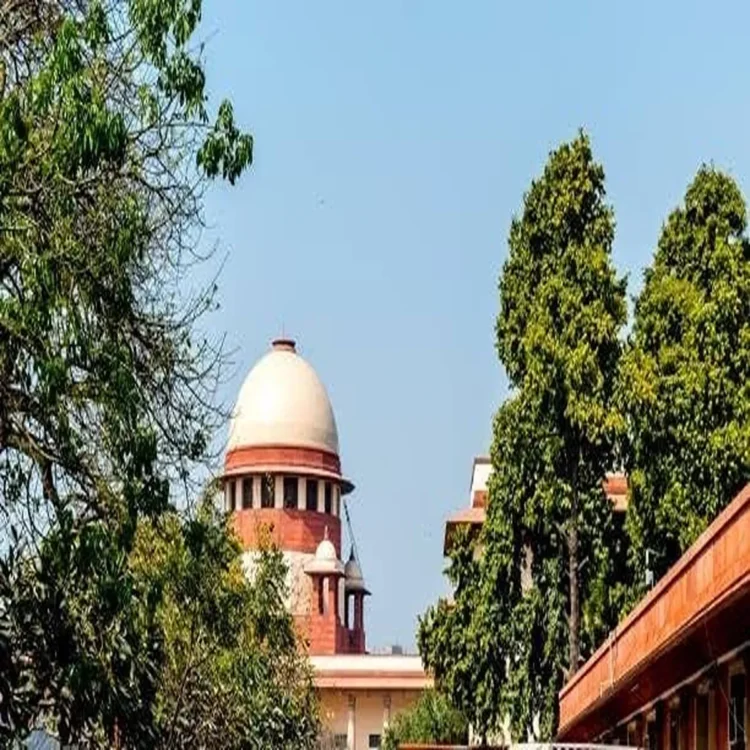
The Supreme Court on Friday issued a notice to the Central Government while hearing a Public Interest Litigation (PIL) that questions the delay in bringing the Women’s Reservation Act into effect. The petition contends that postponing the law’s implementation until after a future census and constituency delimitation could prevent women from receiving the intended political representation during the next general elections in 2029.
Court Issues Notice on the Petition
A Bench comprising Justices BV Nagarathna and R. Mahadevan directed the Centre to file its response after considering the petition submitted by Yogamaya MG. The plea seeks judicial intervention to ensure that the constitutional amendment providing reservation for women in the Lok Sabha and State Legislative Assemblies is enforced without waiting for the procedural conditions currently attached to the law.
According to the petitioner, the constitutional amendment was enacted with the objective of increasing women’s participation in legislative bodies, but its implementation has effectively been placed on hold because it is linked to future administrative exercises. The petition argues that this delay undermines the purpose for which the legislation was passed.
Concerns Over Census and Delimitation Requirement
The petition specifically refers to the Constitution (128th Amendment) Act, 2023, stating that the law has not become operational because it requires implementation only after the first census conducted following its enactment and the delimitation process based on that census.
The petitioner has urged the Supreme Court to direct the government to use either the 2001 or the 2011 Census data for implementing the reservation provisions. According to the plea, relying on existing census figures would allow the reservation mechanism to be introduced before the 2029 Lok Sabha elections rather than postponing it indefinitely.
Petition Highlights Possible Delay in Women’s Representation
The PIL argues that if the present conditions remain unchanged, women may continue to wait for representation under the constitutional amendment even during the next parliamentary elections. It states that linking the law exclusively to a future census and delimitation exercise creates uncertainty regarding its actual enforcement timeline.
The petition further maintains that such a prolonged delay would be inconsistent with the objective of ensuring greater political participation for women through constitutionally guaranteed reservation.
Background Linked to Recent Parliamentary Developments
The legal challenge was filed after Parliament did not approve the Constitution (131st Amendment) Bill, 2026. The petitioner has cited this development while requesting the Supreme Court to examine whether the implementation of the Women’s Reservation Act can proceed without waiting for fresh census-related processes.
The matter is now expected to move forward after the Central Government submits its response to the notice issued by the Supreme Court. The Court’s consideration of the petition may influence the future timeline for implementing women’s reservation in elected legislative bodies ahead of the 2029 Lok Sabha elections.