
WaterSecurity – India Maintains Firm Stand on Indus Water Treaty Suspension
WaterSecurity – India has continued to keep the Indus Waters Treaty in abeyance one year after Operation Sindoor, reinforcing New Delhi’s position that cooperation cannot continue alongside cross-border terrorism. The decision marks a major shift in bilateral relations and reflects a broader strategic doctrine that links security concerns with long-standing agreements between the two neighbours.
India’s Position on the Indus Waters Treaty
The Indus Waters Treaty, signed in 1960, regulates the sharing of river waters between India and Pakistan. The agreement allocated the eastern rivers — Ravi, Beas and Sutlej — to India, while Pakistan received rights over the western rivers including the Indus, Jhelum and Chenab.
Following the Pahalgam terror attack, India decided to suspend the treaty, arguing that continued hostile activities from across the border made normal cooperation impossible. During his Independence Day address in 2025, Prime Minister Narendra Modi said that “blood and water cannot flow together,” while describing the agreement as unfair to Indian farmers and national interests.
Experts believe the suspension represents a significant change in India’s strategic thinking, especially regarding the use of water resources for domestic development and regional stability.
Concerns Over Water Sharing and Development
Former diplomat Dilip Sinha said India had faced repeated challenges under the treaty due to Pakistan’s objections to hydroelectric and infrastructure projects.
According to Sinha, Pakistan frequently delayed Indian projects despite dispute resolution mechanisms often supporting India’s position. He argued that these repeated objections limited India’s ability to fully utilise the benefits allowed under the agreement.
The Indus river system is vital for agriculture, hydropower and livelihoods across northern India and Pakistan. Experts in India have long argued that the treaty restricted Jammu and Kashmir’s ability to maximise the use of its own water resources.
Security Concerns Shape Policy Shift
Indian officials and analysts have increasingly linked bilateral cooperation frameworks with Pakistan’s alleged support for terrorism. Sinha stated that several confidence-building measures introduced in earlier decades, including cross-Line of Control trade and travel services, were eventually misused for activities harmful to India’s security interests.
He said India’s latest approach reflects the belief that cooperation mechanisms cannot function effectively in the absence of trust and security.
Former Jammu and Kashmir Director General of Police Shesh Paul Vaid also supported the government’s decision. He described water resources as strategically important for economic growth, agriculture and energy generation.
Vaid said future global conflicts could increasingly revolve around water access and management, adding that stronger control over regional water resources would support development in Jammu and Kashmir.
Pakistan Raises Objections at International Forums
Pakistan has continued to challenge several Indian hydroelectric projects on the western rivers, including Kiru, Kwar, Baglihar and Dul Hasti. Islamabad recently presented arguments before the Permanent Court of Arbitration, alleging that some Indian projects violate storage and design provisions of the treaty.
India has rejected the jurisdiction of the court and maintained that the treaty’s suspension means New Delhi is no longer obligated to comply with its provisions.
Officials in India have also argued that Pakistan frequently uses international forums to divert attention from concerns related to cross-border terrorism.
Dams Remain Closed One Year Later
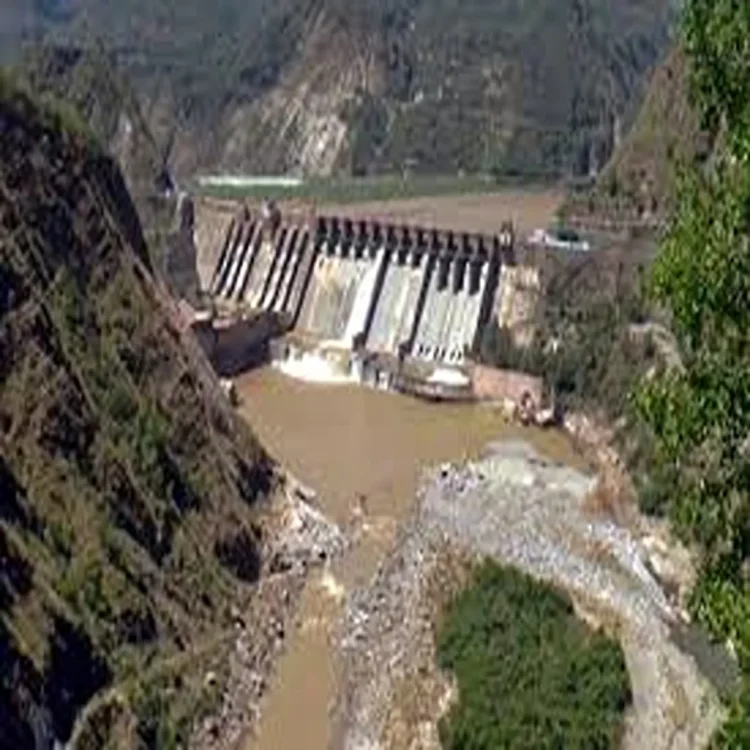
A year after the treaty was put on hold, Indian authorities continue to maintain restrictions linked to river management infrastructure. The gates of the Baglihar Dam on the Chenab River remain closed following the suspension decision.
Analysts say the move highlights India’s intention to retain stronger control over its river resources while reassessing long-term policy options.
Sinha suggested that India should focus on fully utilising its available water resources for national development and agricultural benefit. He added that any future cooperation would depend on meaningful changes in Pakistan’s approach towards terrorism and bilateral relations.
President Droupadi Murmu had earlier described the treaty suspension as part of India’s broader counter-terrorism strategy, signalling that all available national instruments would be used to protect security interests.
As India marks one year of Operation Sindoor, the suspension of the treaty continues to represent a defining element of the country’s evolving regional and security policy.