
Diplomacy – Iran Rejects Pressure Tactics Amid Strait of Hormuz Tensions
Diplomacy – US negotiations, Strait of Hormuz security, global oil transit concerns- Iran has sharply criticized what it described as coercive approaches in international negotiations, following recent remarks by US President Donald Trump regarding military action and maritime restrictions linked to the Strait of Hormuz.
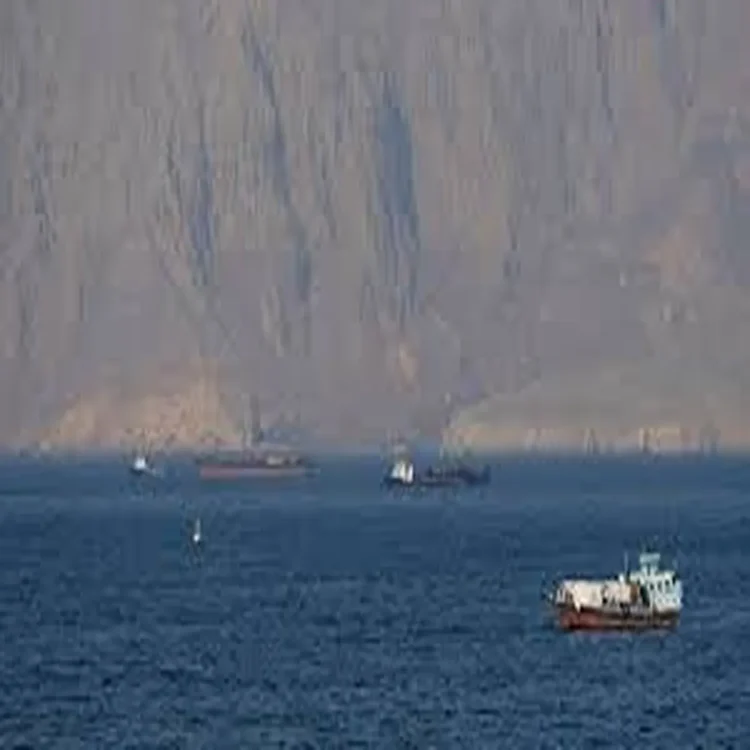
Iran Calls for Good-Faith Negotiations
Iranian Foreign Ministry spokesperson Esmaeil Baqaei stated on Wednesday that meaningful negotiations must be based on sincere dialogue rather than intimidation or pressure. Referring to a ruling by the International Court of Justice, Baqaei emphasized that diplomacy requires genuine efforts to resolve disputes in good faith.
In a message shared on X, he argued that negotiations should not be confused with coercion, threats, deception, or forced demands. According to Baqaei, constructive diplomatic engagement can only succeed when all sides are willing to participate honestly and respectfully.
His remarks came amid rising tensions between Tehran and Washington over maritime security and ceasefire-related developments in the Gulf region.
Trump Warns of Renewed Military Action
The Iranian response followed comments made by President Donald Trump, who said the United States could end its military operation known as “Operation Epic Fury” if Iran complies with proposed ceasefire conditions.
Trump also indicated that restrictions affecting access to the Strait of Hormuz could be lifted under such an agreement. However, he warned that military strikes could resume with greater intensity if Tehran rejects the terms being discussed.
Writing on Truth Social, Trump said the continuation of peace efforts depends on Iran’s willingness to accept the outlined conditions. He added that failure to cooperate could lead to an escalation in bombing operations.
The statement immediately drew international attention because of the strategic importance of the Strait of Hormuz, one of the world’s most critical energy shipping routes.
Strait of Hormuz Remains at Center of Dispute
The latest exchange also follows recent comments from Mohammad Bagher Ghalibaf, who earlier suggested that a “new equation” regarding the Strait of Hormuz is taking shape.
In his statement posted on X earlier this month, Ghalibaf accused the United States and its allies of undermining maritime stability by violating ceasefire arrangements and imposing pressure measures. He claimed that ongoing actions by Western countries had threatened the safety of shipping and energy transportation in the region.
Ghalibaf further warned that Iran views the current situation as unsustainable for Washington and hinted that Tehran has additional options it has not yet exercised.
Global Concerns Over Energy Transit
The growing dispute has raised concerns among global markets and regional observers, particularly because the Strait of Hormuz serves as a key corridor for international oil and gas shipments. Any disruption in the waterway could impact energy supplies and fuel prices worldwide.
Analysts believe the latest public exchange between Iranian officials and the Trump administration reflects the fragile state of diplomatic relations between the two countries. While both sides continue to communicate publicly, the sharp language used in recent statements signals that tensions remain high.
International observers are now closely watching whether diplomatic efforts can prevent further escalation in the Gulf region, especially as discussions surrounding ceasefire conditions and maritime access continue.