
WaterPolicy – Delhi Plans Simpler Rules for Domestic Borewell Approvals
WaterPolicy – The Delhi government is preparing to introduce a revised policy for domestic borewells, aiming to simplify the approval process and reduce bureaucratic hurdles for residents. The announcement was made by Water Minister Parvesh Sahib Singh Verma during a recent session of the Delhi Assembly, where he outlined key changes expected in the upcoming framework.
Focus on Simplifying Permissions
According to the minister, the current system for obtaining borewell permissions involves multiple layers of approvals, often discouraging legal compliance. As a result, a significant number of unauthorized borewells have emerged across the city. Verma stated that the government intends to streamline the process, allowing households to obtain permissions more easily by paying a nominal fee.
He acknowledged that enforcement actions, including notices against illegal borewells, have been common under the existing rules. However, the new policy seeks to address the root cause by making legal access more straightforward and accessible.
Removal of Complex Requirements
One of the key changes under consideration is the removal of the requirement for a no-objection certificate from the district magistrate. This step, directed by Chief Minister Rekha Gupta, is expected to reduce delays and make the process more efficient for applicants.
Officials believe that eliminating unnecessary paperwork will encourage residents to follow proper procedures instead of resorting to unauthorized installations. The move is also seen as an effort to bring more transparency into the system.
Addressing Rising Water Demand
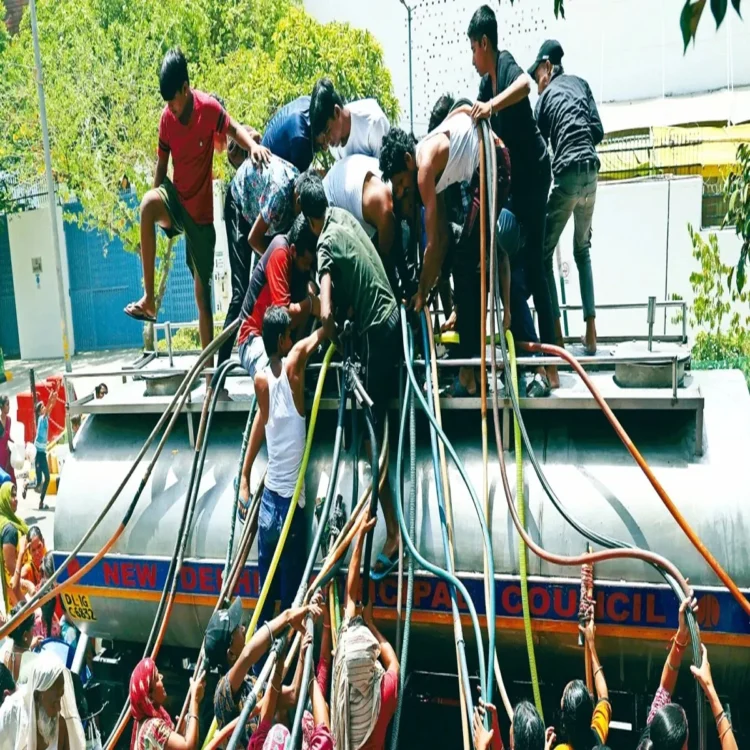
The proposed policy comes at a time when Delhi continues to face growing pressure on its water resources. Rapid urbanization and increasing population have led to higher demand for drinking water, making groundwater extraction a critical issue.
Verma emphasized that improving water management remains a priority for the government. By regulating borewell usage more effectively and encouraging legal compliance, authorities hope to balance demand with sustainable practices.
Expansion of Sewage Treatment Capacity
In addition to borewell reforms, the government is also working on enhancing the city’s sewage treatment infrastructure. Plans are underway to increase the total treatment capacity to 1,500 million gallons per day in the coming years.
This expansion is expected to play a crucial role in recycling water and reducing dependence on fresh groundwater sources. Experts have long highlighted the importance of improving wastewater treatment to support long-term water security in the Capital.
Concerns Over Unregulated Borewells
While official records suggest that Delhi has around 5,000 borewells, authorities estimate that the actual number could be significantly higher. The gap between reported and existing borewells has raised concerns about unregulated groundwater extraction and its environmental impact.
The new policy aims to bring more borewells under the legal framework, ensuring better monitoring and control. By doing so, the government hopes to curb excessive exploitation of groundwater and promote responsible usage.
Balancing Access and Sustainability
The initiative reflects a broader attempt to strike a balance between making water accessible to residents and protecting natural resources. By easing permissions while maintaining oversight, the government is trying to create a system that is both practical and sustainable.
Officials have indicated that further details of the policy will be announced soon, including guidelines for application, fees, and compliance requirements. Residents and stakeholders are expected to benefit from clearer rules and reduced administrative barriers.
As Delhi continues to grapple with water challenges, the success of this policy will depend on effective implementation and public cooperation. The coming months will be crucial in determining how these reforms translate into real improvements on the ground.