
Vultures – Assam Releases Captive-Bred Birds Into Wild in Global First
Vultures – Assam witnessed a significant development in wildlife conservation on Friday as five captive-bred Slender-billed vultures were released into the wild, marking what authorities described as the first such release of its kind in the world. The initiative was jointly carried out by the Assam Forest Department and the Bombay Natural History Society (BNHS), which have been working together on vulture conservation for nearly two decades.
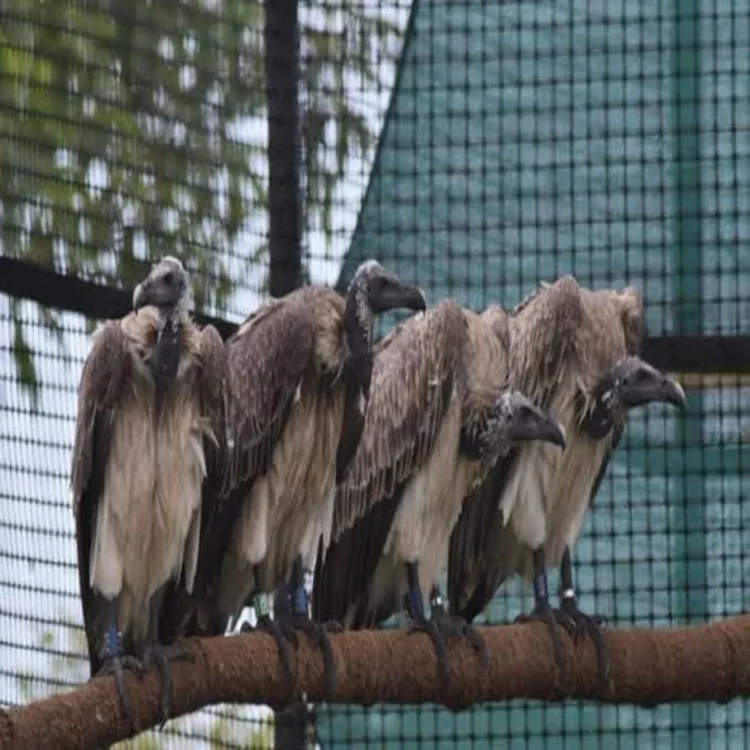
Ten captive-bred vultures released in Assam
The release involved a total of 10 birds. Along with the five Slender-billed vultures, five captive-bred White-rumped vultures were also returned to the wild.
The birds were released from the Biswanath Wildlife Division of Kaziranga National Park and Tiger Reserve through a conservation technique known as “Soft Release”. The method allows captive-bred birds to gradually adjust to natural surroundings before they are fully exposed to the wild.
Birds underwent months of acclimatisation
Before being released, the vultures were moved from the Vulture Conservation Breeding Centre at Rani, located on the outskirts of Guwahati, to an aviary in the Biswanath Wildlife Division.
They remained there for three months to become familiar with the local environment and conditions. The acclimatisation period was intended to give the birds a better chance of adapting successfully after their release into their natural habitat.
Assam Forest Minister Jayanta Mallabaruah attended the release programme and highlighted the years of conservation work behind the initiative.
He said the movement of these birds from captive breeding facilities back into the wild reflected sustained scientific and conservation efforts. Mallabaruah also said satellite tracking would allow authorities and conservationists to monitor the birds after their release and learn more about their movements and survival.
Satellite tracking will monitor the vultures
All 10 vultures have been individually identified with numbered blue rings placed around their legs. Each bird has also been fitted with a tag on its back to assist researchers in tracking and monitoring them.
Officials have appealed to members of the public to report sightings of the tagged vultures to the Forest Department. Such information can help conservation teams understand how the birds are adapting to their new surroundings.
The authorities have also urged people to avoid the use of banned veterinary medicines for livestock and the application of pesticides to animal carcasses. Vultures often feed on livestock remains, and exposure to harmful chemicals or veterinary drugs can pose a serious threat to their survival.
BNHS highlights sharp decline in vulture numbers
The Forest Department and BNHS have been jointly involved in vulture conservation work since 2007. Their efforts have focused on captive breeding, scientific monitoring and measures aimed at addressing the causes behind the dramatic decline in vulture populations.
BNHS Deputy Director Dr Sachin Ranade said India’s Gyps vulture population has fallen by about 99 per cent over the past two decades. According to him, the decline has been strongly linked to the use of certain veterinary painkillers in livestock treatment.
The central government has banned four veterinary drugs identified as harmful to vultures: diclofenac, aceclofenac, ketoprofen and nimesulide.
The latest release is therefore being viewed as an important step in efforts to rebuild threatened vulture populations and restore their role as natural scavengers in the ecosystem.