
Uttarakhand – Khatima Residents React to Proposed Minority Education Reform
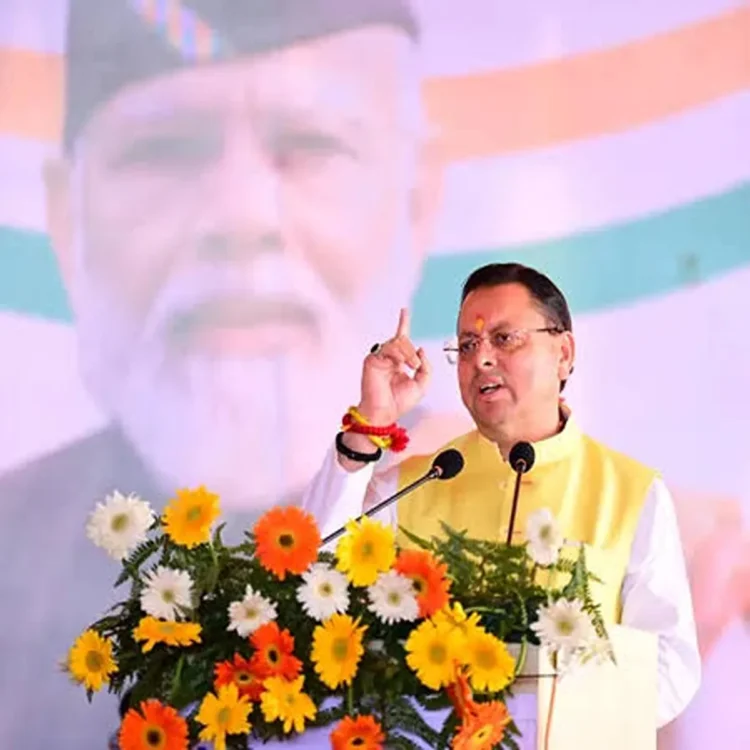
Uttarakhand – The Uttarakhand government’s proposal to discontinue the Madarsa Board and establish a State Minority Education Authority has generated a mixed but largely engaged response in Khatima, a border town in Udham Singh Nagar district. The move, announced under the leadership of Chief Minister Pushkar Singh Dhami, is being viewed by residents through the wider lens of education quality, equal opportunity and community participation.
Residents See Scope for Broader Educational Access
Some local residents believe the proposed authority could help students from minority communities access a more comprehensive academic environment. They said an education model that combines modern subjects with religious learning may help children pursue a wider range of careers after completing their studies.
Supporters of the proposal argued that a common academic framework could give students stronger exposure to subjects such as English, Hindi, science and mathematics. They said this may improve their preparedness for higher education, competitive examinations and professional opportunities.
Calls for Consultation During Implementation
Others in the town said the government should ensure that the reform process includes consultation with minority representatives, parents, teachers and education experts. According to them, the success of the proposed system will depend not only on policy changes but also on transparent implementation at the ground level.
Residents said the concerns and expectations of families associated with madarsa education should be considered before the new authority begins functioning. They added that regular communication from the government could help build confidence among communities and ensure that the policy delivers benefits across different social groups.
Kamil Khan Welcomes New Education Structure
Speaking to ANI, Khatima resident Kamil Khan described the decision as a potentially positive development for minority youth. He said students could benefit if the new framework allows them to receive both religious instruction and mainstream academic education.
Khan said that a broader curriculum could help young people from minority communities prepare for careers in medicine, engineering, civil services and other professional fields. In his view, access to modern education alongside religious studies would enable students to participate more actively in the country’s workforce and public life.
He also said the proposed change could create stronger pathways for students who want to continue their education beyond school and compete for opportunities in different sectors.
NCERT Curriculum Expected to Expand Learning Options
Another local resident, Shakoor Rahman, welcomed the government’s announcement and said the plan appeared aimed at connecting minority students with mainstream education. He expressed hope that the new authority would provide a structured system that supports both academic learning and religious education.
Rahman said that the introduction of the NCERT curriculum could give students access to subjects that may not have been available in the same way earlier. He noted that learning through a recognised national curriculum could help children develop stronger language and academic skills.
According to him, students from minority communities may benefit from studying subjects such as Hindi, English and other NCERT-based courses while continuing their religious education. He said this combination could offer children more choices when deciding their future academic and career paths.
Government Faces Need for Balanced Rollout
The proposed State Minority Education Authority is expected to remain under public discussion as the Uttarakhand government moves towards implementation. While several residents have welcomed the plan as an opportunity to improve educational standards, others have underlined the importance of dialogue and clarity.
For many people in Khatima, the key issue is whether the new model can provide quality education without overlooking the cultural and educational needs of minority communities. The response from the town suggests that residents are seeking an inclusive system that expands opportunities for students while maintaining trust among all stakeholders.