
Uniform Civil Code – Madhya Pradesh Moves Closer to Introducing UCC Bill in Assembly
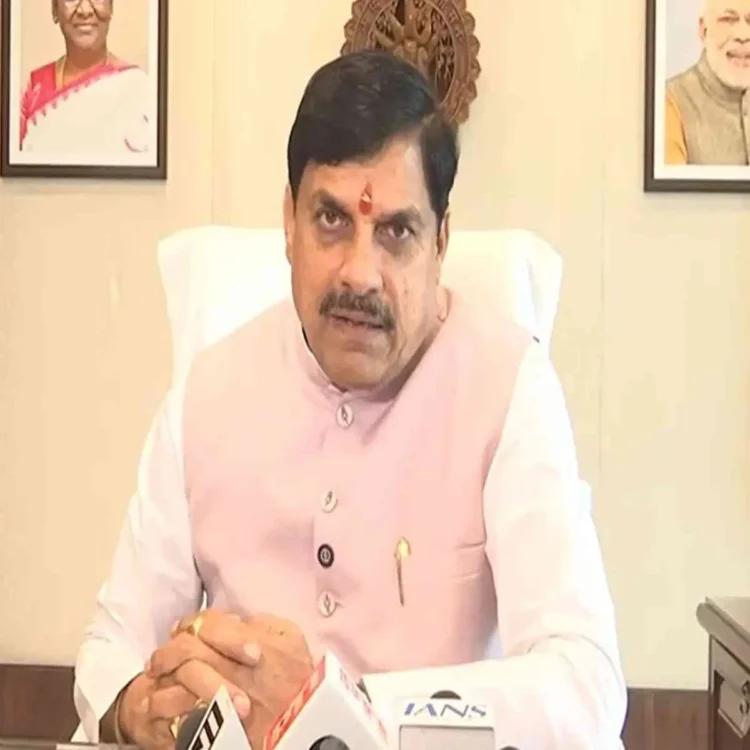
Uniform Civil Code –The Madhya Pradesh government has taken a significant step toward implementing a Uniform Civil Code (UCC) after the state-appointed high-level committee submitted its final report to Chief Minister Mohan Yadav on Monday. The report, prepared over the past few months, has now been forwarded to the state’s Law Department for further examination before the proposed legislation is placed before the Council of Ministers and later introduced in the upcoming monsoon session of the Madhya Pradesh Legislative Assembly.
Three-Volume Report Submitted to the Government
The committee handed over a comprehensive three-volume report through its members Gopal Sharma, Budhpal Singh, Shobha Paithankar and member secretary Ajay Katesaria, an IAS officer. According to an official government statement, the draft Bill will undergo legal refinement and scrutiny by a panel of senior secretaries before it is presented for cabinet approval.
If the process moves ahead as planned, the government is expected to table the proposed law during the Assembly’s monsoon session scheduled between July 20 and July 24.
Recommendations Based on Legal Review
The first volume of the report focuses on the committee’s recommendations. It presents findings across ten chapters after examining existing international practices, Indian laws, state legislation and customary legal systems. The recommendations were prepared following an extensive review of legal and administrative frameworks governing personal and family matters.
The committee had been entrusted with studying laws related to marriage, divorce, maintenance, inheritance, adoption and live-in relationships while considering the state’s unique social and cultural landscape.
Draft Bill Contains Detailed Legal Provisions
The second volume includes the complete draft of the proposed Uniform Civil Code Bill. Prepared in line with the legal framework currently applicable in Madhya Pradesh, the draft legislation has been divided into four parts consisting of 404 sections along with seven schedules.
Government officials indicated that this draft will now undergo technical and legal examination before any final legislative action is taken.
Public Feedback Forms a Major Part of the Report
The third volume documents the extensive public consultation process carried out by the committee. Consultations were organised across districts, at the state level and through a dedicated online platform created for public participation.
According to the government, the committee received more than 9.58 lakh responses from citizens. The report also provides a detailed analysis of the feedback received, categorising responses on the basis of questionnaire data, gender and community representation.
Official records cited by the government indicate that a large majority of respondents expressed support for the proposed Uniform Civil Code, including 95 percent of women and 92 percent of men who participated in the consultation process.
Scheduled Tribes Recommended for Exemption
One of the notable recommendations made by the committee is that Scheduled Tribes should remain outside the scope of the proposed Uniform Civil Code. Scheduled Tribes constitute more than one-fifth of Madhya Pradesh’s population, and the recommendation reflects consideration of their distinct customary practices and legal traditions.
The government stated that the committee framed its recommendations after taking into account the state’s social, cultural and economic realities while balancing constitutional principles with local customs.
Chief Minister Appreciates Committee’s Work
Chief Minister Mohan Yadav thanked the committee for completing the assignment and acknowledged the contributions of its chairperson, retired Supreme Court judge Justice Ranjana Prakash Desai. He also expressed appreciation for committee member and former Uttarakhand Chief Secretary Shatrughan Singh, as well as member Anoop Nair, who was unable to attend the report submission due to personal reasons.
The government maintained that the draft has been prepared with emphasis on gender equality, respect for constitutional values and the preservation of diverse customary practices wherever appropriate. The next stage of the process will determine whether the proposed legislation receives cabinet approval before being debated in the state legislature.