
TransgenderRights – Protests Erupt in Delhi Over New Amendment Bill
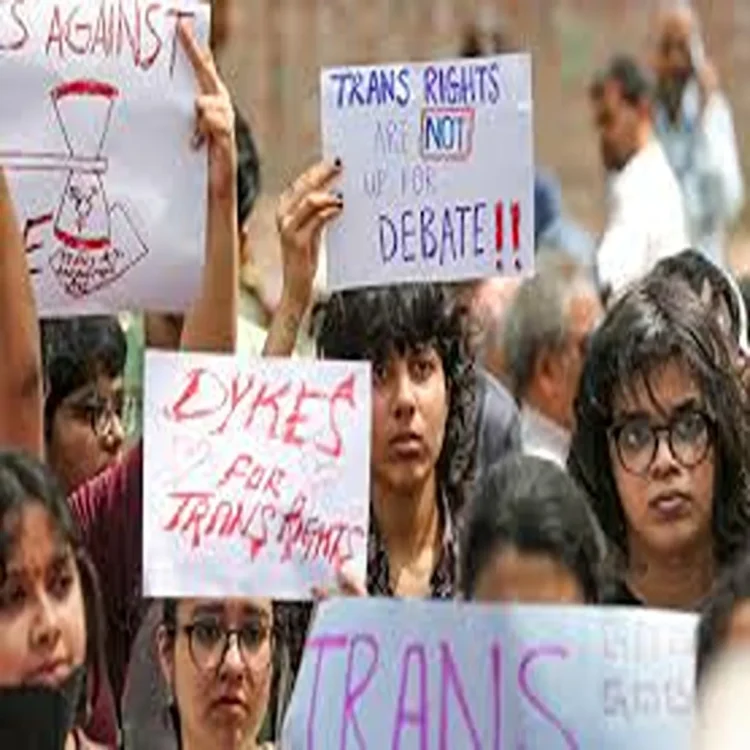
TransgenderRights – A section of the queer community, along with supporters, gathered at Jantar Mantar in New Delhi on Thursday morning to protest against the recently passed Transgender Persons (Protection of Rights) Amendment Bill, 2026. The demonstration reflected growing unease over the proposed changes, which many believe could weaken protections for transgender individuals.
Concerns Over Changes to Legal Recognition
The Bill has cleared both Houses of Parliament and is now awaiting the President’s approval to become law. It introduces modifications to how transgender persons are legally recognised and addresses aspects related to self-identification. However, these changes have sparked concern among activists, who argue that the revisions could dilute previously established rights.
Protesters at the site held placards and raised slogans, voicing fears that the amendments may undermine the legal safeguards that transgender individuals have relied upon in recent years. Many expressed apprehension that the new provisions could alter the framework of identity recognition in ways that are not inclusive.
Key Provisions of the Amendment Bill
The legislation seeks to amend the Transgender Persons (Protection of Rights) Act, 2019. Among its notable features is a revised definition of “transgender,” aiming to provide greater clarity. At the same time, it proposes removing references to sexual orientation and self-perceived sexual identity from the scope of the law.
The Bill also introduces a system of graded penalties, where punishment varies depending on the severity of harm inflicted on transgender individuals. While the government has presented this as a step toward more structured legal protection, critics argue that other aspects of the Bill raise serious concerns.
Opposition from Community and Political Voices
Since its introduction, the Bill has faced resistance from members of the LGBTQ community as well as opposition parties. Demonstrations similar to the one in Delhi have been reported in multiple cities, indicating widespread dissatisfaction.
Activists have consistently argued that the amendments could create additional administrative barriers. One of the central criticisms is that the process of obtaining official identity documents may become more complex, potentially affecting access to essential services and legal recognition.
Voices from the Protest
Participants at Jantar Mantar shared personal perspectives on how the proposed changes could impact their lives. A young trans woman attending the protest described the situation as deeply distressing, stating that the amendments could erase the recognition of their identity.
Another protester highlighted concerns about increased procedural requirements for securing identity certificates. According to them, the introduction of more checks and formalities could make an already challenging process even more difficult, especially for those with limited resources.
These testimonies underscored a broader fear that the Bill may place additional burdens on a community that already faces social and institutional challenges.
Debate on Rights and Inclusion
Protesters emphasized that the right to self-identification is a fundamental aspect of dignity and personal freedom. Many argued that any legal framework should strengthen, rather than restrict, this principle.
Critics of the Bill believe that excluding aspects related to sexual orientation and self-perceived identity could narrow the scope of protections. They warn that such changes might lead to further marginalisation of individuals who already encounter discrimination in various aspects of life.
As the Bill moves closer to becoming law, the debate around its implications continues to intensify. Supporters of the protest are calling for a reconsideration of the provisions, urging authorities to engage in broader consultations with stakeholders.
The coming days are likely to see continued discussions and possibly more demonstrations, as different groups seek to influence the final outcome of the legislation.